

























































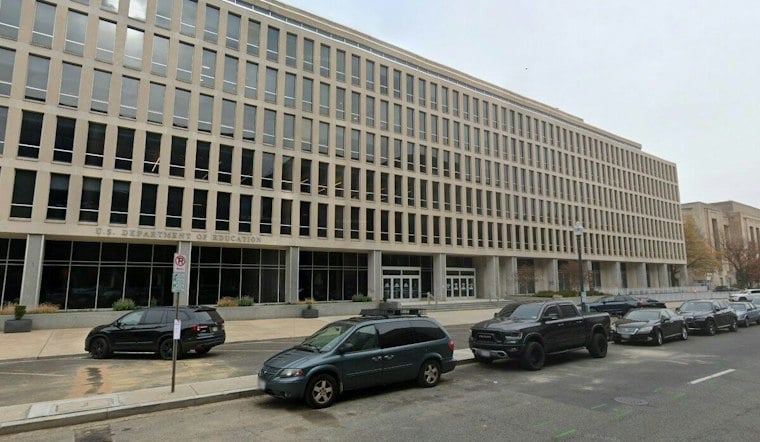
Students applying for college financial aid got an early gift this week: the Education Department says FAFSA forms for the 2027-2028 school year opened to students on Wednesday, marking what officials describe as the earliest launch in the program's history. The form typically doesn't open until October 1, so this year's early arrival gives families a head start on locking in grants and loans before the fall admissions crunch.
Earliest Opening On Record, Department Says
According to DC News Now, the Trump administration opened 2027-28 FAFSA applications on September 23, 2026, which the outlet reported as beating the administration's own previous early-opening record of September 24, 2025. That timeline runs counter to separate guidance flagged by Saving for College, which states the 2027-28 FAFSA was scheduled to open by October 1, 2026 — a discrepancy in reported timing that hasn't been reconciled across sources.
Education Secretary Linda McMahon said the early launch ensures American students and families have access to resources for postsecondary education, per the DC News Now report. The Trump administration has said it redesigned and streamlined the FAFSA form itself, a shift the outlet frames against what it described as chaotic FAFSA application starts during reform efforts under the Biden administration.
What's Different About the New Form
The redesigned application includes clearer language throughout, along with an easier renewal process for returning applicants, according to the same DC News Now report. It also adds the ability to invite contributors by text message, and some families reportedly can complete the entire form in about 15 minutes.
The form now includes potential earnings outcomes tied to applicants' schools of choice, and uses a fraud detection system intended to safeguard taxpayer dollars, the report states. Those additions build on changes the Department of Education had already been rolling out for the prior cycle: the National Association of Student Financial Aid Administrators reported that the department planned real-time identity verification and a simplified contributor-invite process for the 2026-27 FAFSA, and that form ultimately reached 5 million completions, according to NASFAA.
Why Filing Early Can Pay Off
The stakes for getting ahead of the deadline are real. Saving for College reports that students who file the FAFSA during the first three months of the application window tend to receive twice as many grants, on average, compared with students who file later. An early launch is meant to give students and schools more time to calculate available financial assistance, letting students weigh that information as they decide which college to attend.
The FAFSA is used to apply for federal grants and student loans, and its information is also used by many states and schools to determine aid eligibility, per Edvisors. The FAFSA application season typically starts on October 1, and last year's 2026-27 form was itself released early, on September 24, 2025 — a pattern of early launches that now appears to be continuing into a second consecutive cycle.




