

























































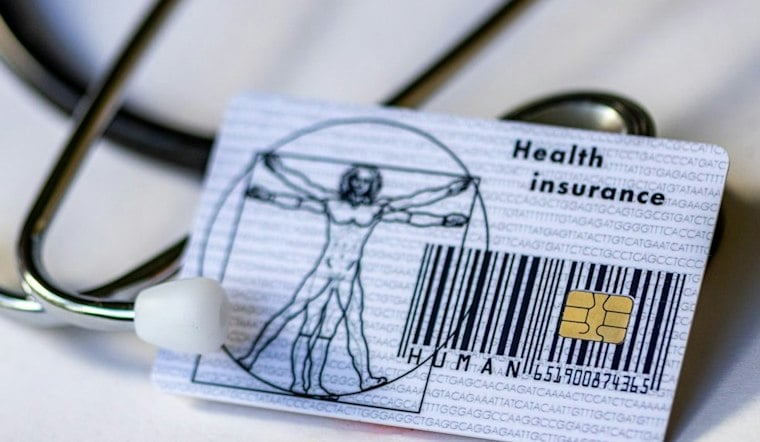
The World Trade Center Health Program excludes medical care, pharmacy products and medical supplies obtained outside the United States or its territories, according to the CDC rule described in CBS Atlanta. The program otherwise covers medically necessary treatment for conditions it certifies as related to 9/11 exposure, and care must be provided through an affiliated provider.
That geographic restriction is now central to the health-care problems described by Craig Sotkovsky, a former Ground Zero volunteer who moved from Jersey City, New Jersey, to Mérida, Mexico. CBS Atlanta reported that Sotkovsky says he pays out of pocket for surgeries and procedures related to his illness after the move.
What Sotkovsky has reported
Sotkovsky spent days in a bucket brigade clearing debris in New York after the attacks. He told CBS Atlanta that he began feeling ill in 2012, was diagnosed with lung cancer in 2017 and has undergone more than 30 medical procedures. Voyage ATL separately reported that he experienced a severe lung collapse and pneumonia in 2012.
Sotkovsky attributes his cancer to his volunteer work and exposure at Ground Zero, but the supplied reporting does not independently establish that causal connection. CBS Atlanta reported his statements that he went bankrupt, lost assets repeatedly and sold his Georgia farm before relocating to Mexico.
He has also presented his experience as advocacy. Voyage ATL reported that he wrote Everybody Pays A Vig and described his work with the Gro-Win Through Pain campaign. His GoFundMe campaign documents 9/11 cancer stories and identifies the campaign by name.
The program’s reach
More than 145,000 people are enrolled in the World Trade Center Health Program. Data through June 30, 2026, cited by GV Wire, show that more than 67% of members had been certified for at least one 9/11-related condition. Lifetime cancer certifications exceeded 57,000, and more than 10,000 new cancer certifications were recorded during the preceding year.
The program includes certified respiratory illnesses, certain cancers and mental-health conditions. Separate federal health figures cited by Pitta & Baione LLP show 28,913 certified cancer cases among civilian survivors, compared with 28,131 among first responders.
Continuing pressure for coverage
The health consequences continue to affect responders and survivors decades after the attacks. An FDNY report cited by ABC7 New York and Word In Black recorded more than 600 FDNY personnel who had died from illnesses associated with 9/11 toxic exposure, nearly twice the 343 firefighters killed on the day of the attacks. The CDC separately estimated that more than 9,600 people had died from illnesses linked to exposure to debris from the attacks, based on figures reported as of July 2026.
In June, a bipartisan congressional coalition asked the Department of Health and Human Services to add annual skin- and prostate-cancer screening to the program’s preventive care, according to the Office of Representative Laura Gillen. The request cited studies reporting increased risks of prostate cancer and melanoma among 9/11 responders.
Congress also revised the program’s funding formula in February 2026, eliminating projected budget deficits and securing funding through 2090, according to the Office of Senator Kirsten Gillibrand. The program was created by the James Zadroga 9/11 Health and Compensation Act of 2010 and reauthorized in 2015, according to the U.S. Department of Justice. Those funding and authorization measures do not, based on the supplied reporting, resolve the separate limitation on care received outside the United States or its territories.


