

























































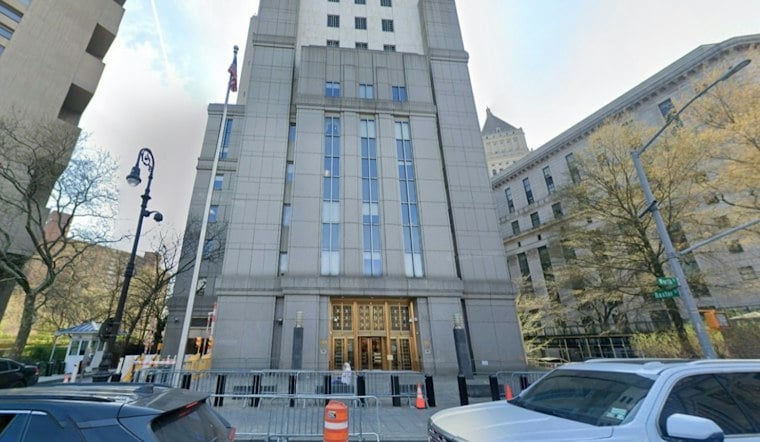
A federal judge in Manhattan has dismissed Julian Sapp’s lawsuit accusing Sean Combs of sexual assault, sex trafficking and forced labor, ruling that the claims were filed after the applicable deadlines had expired. U.S. District Judge Jennifer L. Rochon also found that Sapp had not shown the diligence required to justify extending those deadlines. The ruling is available in the Southern District of New York opinion.
Sapp filed the case in February 2025. He alleged that he met Combs in 2007 after being hired as an adult entertainer at a Las Vegas hotel and that Combs drugged him, forced him into sexual encounters, recorded sexual activity without consent and threatened to release the recordings. The complaint also alleged that Combs took Sapp’s phone, blocked exits and displayed guns in a threatening manner. Combs has denied the allegations, according to reported coverage of the case.
The court’s decision was procedural, not a finding that the alleged conduct did or did not occur. At the dismissal stage, the court evaluated the pleaded facts under the governing legal standards; it did not conduct a trial or make factual findings about the accusations.
Why the claims were dismissed
Rochon concluded that the limitations period for Sapp’s claims had run no later than about November 2022. Sapp argued that alleged threats, Combs’s influence and the circumstances of the encounters prevented him from suing earlier. The judge nevertheless found that he had not established the continuing diligence needed to preserve or extend claims filed years after the alleged events.
That reasoning makes the case different from a ruling on the credibility or evidentiary strength of the allegations. The dismissal means the claims cannot proceed in this federal action under the theories and deadlines addressed by the court; it does not resolve the underlying factual dispute.
A possible state-law route remains distinct
The ruling leaves a potential avenue involving New York City’s gender-motivated-violence law, subject to that statute’s requirements and any further state-court determination. New York’s Administrative Code provides a civil cause of action for injury caused by specified gender-motivated violent conduct occurring before January 9, 2022, and creates a separate limitations framework for some older claims, according to a New York County Supreme Court decision published by the New York State Law Reporting Bureau.
That alternative is not an automatic revival of every dismissed claim. Eligibility can depend on the alleged conduct, where it occurred, the statutory elements and the applicable filing rules. The same New York decision illustrates the distinction: the court treated a statutory gender-motivated-violence claim separately from negligence-based claims, allowing renewal only as to the statutory claim while leaving the other dismissals in place.
For Sapp, the practical question is therefore not simply whether the federal deadline was missed, but whether any surviving theory fits New York City’s separate statutory framework and can be pursued in the proper court. The current federal dismissal does not answer that question.
The broader legal context
The case reflects a recurring complication in civil litigation involving alleged conduct from many years earlier: the passage of time can determine which legal theories remain available even when a court has not tested the underlying allegations at trial. Different causes of action may carry different limitation periods, and a statutory claim may be analyzed separately from common-law claims.
Sapp’s case therefore ends in federal court on timeliness and diligence grounds, while the possible state-law issue remains unresolved. Any further proceedings would have to establish that the claim satisfies the New York statute; the federal ruling itself does not establish either liability or eligibility under that law.



