

























































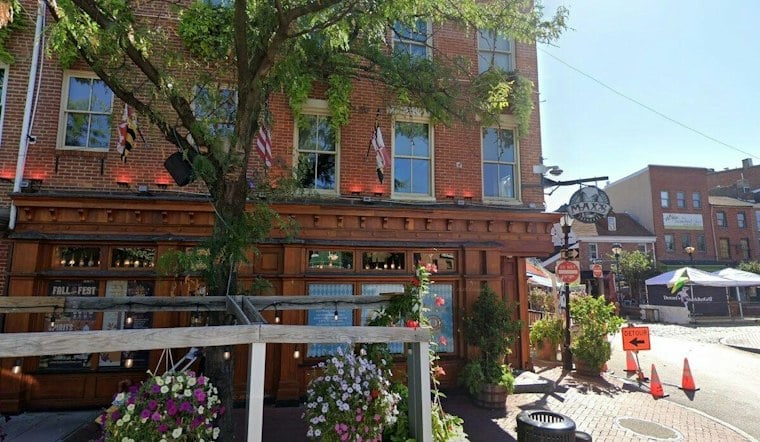
Baltimore's summer-long experiment with ID checkpoints in Fells Point is officially over, and the neighborhood's bar and restaurant owners are already bracing to find out whether the calmer weekend nights they saw will survive without the barricades. Mayor Brandon Scott's office ended the policy on September 7, 2026, once Labor Day weekend wrapped, closing out a run that began in July with the arrival of the Sail250 Baltimore maritime festival.
A Summer of Barricades and ID Checks
City officials first set up the security perimeter and ID checkpoints in July in anticipation of the massive waterfront crowds expected for Sail250, according to CBS News Baltimore. Under the summer rules, adults entering the entertainment district on weekend nights had to show a physical ID or a verified TSA phone wallet app, the station reported. Underage visitors were required to have a guardian with them, and the checkpoints more broadly were framed by Baltimore Police and city leaders as a way to disrupt illegal activity and protect residents, visitors and businesses during peak weekend hours, per the Baltimore Sun.
The gates themselves weren't staffed entirely by police. The checkpoints were operated by private security personnel contracted through the Baltimore Development Corporation rather than Baltimore Police officers at every entry point, according to Baltimore Beat. That arrangement drew scrutiny from civil rights and defense attorneys, who argued in August that stopping every pedestrian on public sidewalks without individualized suspicion amounted to an unconstitutional search, violating Fourth Amendment protections against mass detention. Legal experts quoted by the outlet questioned whether designating the district a permitted space gave the city authority to override those constitutional limits.
Officials Point to Falling Crime Numbers
Baltimore officials said the summer ID checkpoints helped reduce some crime in Fells Point, per the Baltimore Sun's reporting. City-released figures back that framing: the Baltimore Police Department logged a slight decrease in aggravated assaults and robberies in the neighborhood this summer compared to the same period in 2025, even as 911 call volume stayed roughly flat, per Mayor Scott's office as reported by CBS News Baltimore.
The steepest drop came in street-level conflict. The Mayor's Office of Neighborhood Safety and Engagement recorded an 87 percent decline in ground-level conflict engagements in Fells Point following the Sail250 festival weekend in July, the same station reported. The checkpoints operated alongside a citywide summer youth curfew that required children 13 and under to be accompanied by an adult after 9 p.m., while the broader curfew applied after 11 p.m. to people age 17 and under.
Merchants See a Quick Fix, Not a Solution
Not everyone in the neighborhood is convinced the checkpoints solved much. Ron Furman, co-owner of Max's Taphouse, told the Baltimore Sun that young people continued hanging around the checkpoint perimeter until as late as 3 a.m., even while the gates were up. He said the checkpoints kept young people from entering the entertainment district itself, but business owners more broadly said the barriers simply pushed teen gatherings outside the security perimeter rather than eliminating them.
Furman called the checkpoints a quick fix for public safety that failed to address the root of the problem, according to the same report. Other business owners said the entry friction discouraged legitimate customers from visiting the district altogether — a complaint that echoes a broader pattern of disruptive youth gatherings organized via social media that cities across the nation saw this summer.
An Old Fight Over Fells Point's Future
This isn't the first time Fells Point merchants have squared off with City Hall over nightlife enforcement. Back in June 2021, more than 30 merchants sent a letter threatening to withhold city taxes and fees unless open drinking and street violence were addressed, according to Police1, a threat that followed three people being shot in two separate incidents in Fells Point, including incidents on Thames Street and near Aliceanna Street and South Broadway.
City Council members have also wrestled with how permanent any of these measures should become. Councilman Mark Conway cautioned in July that while temporary traffic controls gave police flexibility to restore order, permanent barricades would place real burdens on local restaurants and small businesses dependent on customer access, per Baltimore Scoop. The new restrictions were designed to respond to complaints about large crowds, underage drinking and disorder in the neighborhood, though the removal of the checkpoints now sets up a real test of whether the calmer conditions officials pointed to will hold once the barricades are gone.
The summer's enforcement push also intersected with other flashpoints in the neighborhood. In a reckless-driving SWAT bust days before Labor Day, police recovered eight guns and made four arrests in Fells Point, while an earlier overnight shooting near a new apartment building had already rattled residents in the weeks before checkpoints went up. With the gates now down, both officials and business owners like Furman say the first ordinary weekend without them will be the real test of whether the calm holds.





