

























































Cincinnati police are searching for a 39-year-old man accused of pulling a gun on a car repossession agent and driving off with the vehicle rather than letting it be towed. Authorities say Donald Birch Jr. now faces charges of aggravated robbery, theft, and a probation violation stemming from the confrontation.
Who Police Are Looking For
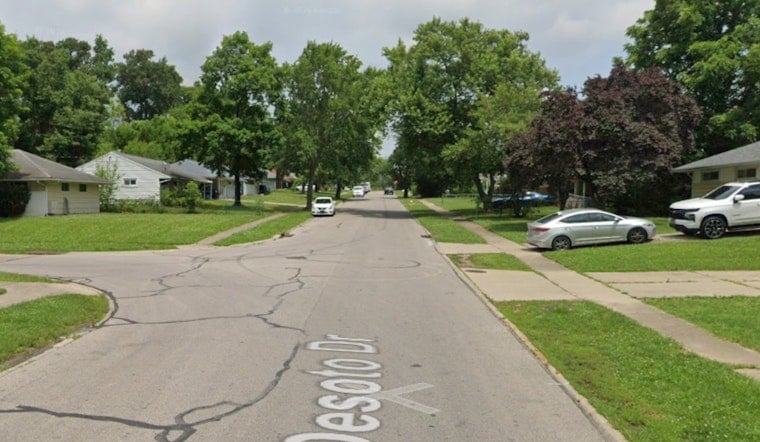
According to WKRC, Birch was last known to live on Desoto Drive in Finneytown, an unincorporated community of roughly 13,000 residents in Springfield Township. Police describe him as about 6 feet tall and 300 pounds, and note that he has a prior history of assault, theft, and criminal trespassing charges.
Finneytown sits within central Hamilton County, where local law enforcement is handled primarily through township and county agencies rather than a dedicated municipal police force, according to the First Suburbs Consortium of Southwest Ohio. That jurisdictional setup is part of why investigators are leaning on public tips to track Birch down.
The Law Behind the Charges
Ohio law gives lenders and their repo agents the right to repossess a vehicle without a court order, but only as long as the process does not involve a breach of the peace. Once an owner resists physically or brandishes a weapon, that self-help authority disappears immediately, according to the Ohio State Bar Association. An oral objection or physical confrontation is enough to end an agent's authority to continue the tow, at which point the lender is supposed to pursue a court-ordered replevin action through law enforcement instead.
By allegedly drawing a firearm and driving off with the car anyway, Birch's actions escalated what began as a civil debt dispute into a first-degree felony. Aggravated robbery involving a displayed or brandished weapon carries a possible sentence of 3 to 11 years in state prison and fines up to $20,000 under Ohio Revised Code § 2911.01, per Watson Kuhlman, LLC.
A Dangerous Job Nationwide
Confrontations like the one Birch allegedly triggered are part of a pattern industry groups have flagged as a growing safety crisis. The American Recovery Association reported in February 2024 that violent attacks against repossession workers had reached historic highs, pushing recovery companies to reconsider spending on protective gear such as body armor and body cameras for field crews, according to Auto Remarketing. A separate advisory from the same association documented seven recovery agent fatalities nationwide within a single six-month period in late 2023, per the Clanton Law Office.
Financial disbursement records reviewed by Allied Finance Adjusters show that nearly one-third of all emergency payouts to injured agents or their surviving families through the Recovery Agents Benefit Fund stem from violent assaults during repossession attempts. Cincinnati's case fits into a wider string of similar confrontations reported around the country in recent months, including armed standoffs in Miramar and Miami Gardens and fatal shootings tied to repo attempts in Tulsa and Brentwood.
How to Submit a Tip
Investigators are asking anyone with information on Birch's whereabouts to contact Crime Stoppers at (513)-352-3040. People who provide information may be eligible for a cash reward, and Greater Cincinnati Crime Stoppers has historically offered anonymous payouts of up to $2,500 for tips that lead to an arrest, according to WVXU. Tipsters are guaranteed anonymity throughout the process.
Lenders themselves are not entirely shielded from liability in disputes like this one. Under Uniform Commercial Code Article 9 Section 609, a financial institution can still be held civilly accountable if an independent repo agent it hired breaches the peace or uses unlawful force during a recovery attempt, according to Rimon Law. Ohio law also requires creditors who do successfully repossess a vehicle to send the debtor formal written notice of the time, place, and method of any planned sale before disposing of the property, per the Cleveland Law Library.





