

























































A fire damaged the Saline Valley Warm Springs Campground in Death Valley National Park around 7 p.m. Tuesday, prompting the temporary closure of the remote backcountry site. Everyone at the campground evacuated safely, and no injuries were reported. The blaze destroyed a shed and burned most of the palm trees near the Lower Springs soaking pools.
Remote Hot Springs Popular Despite Rough Access
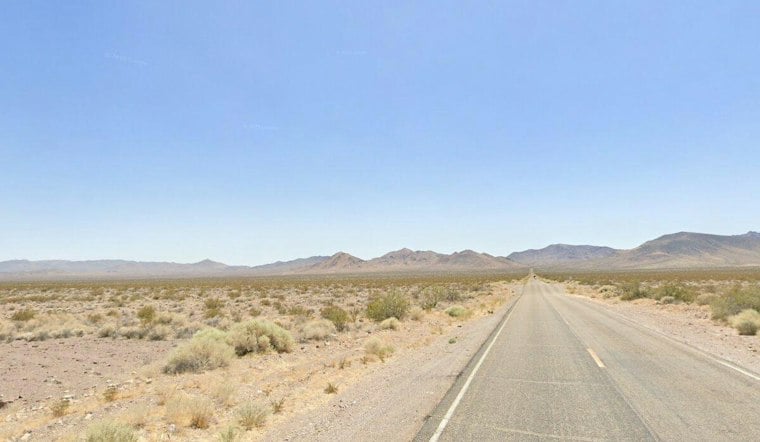
The campground lies about 40 miles from the nearest paved road in the park’s western reaches, according to National Park Service officials cited by KSNV. Fire crews contained the flames within the Lower Springs area, limiting damage to the rest of the primitive campground. The site is known for its natural hot pools but requires visitors to make a long, rough drive to reach them.
An initial investigation found that dead fronds from nonnative palm trees helped fuel the fire, while the cause remains under investigation, according to the station’s report. The U.S. Wildland Fire Service is investigating what sparked the blaze.
Shed, Piping Damaged While Tubs Survive
The fire destroyed a shed at the volunteer camp host site, and officials say the structure may have contained hazardous materials, per the same account. Piping running to and from the Lower Springs pools melted in the heat, according to the National Park Service, though the soaking tubs themselves appeared undamaged.
Most of the palm trees in the Lower Springs area burned, but the National Park Service believes some are likely to survive. The Palm Springs section of the primitive campground, a separate area from where the fire hit, was not burned, the same account notes.
The National Park Service has not released a reopening timeline, said how large the fire grew or detailed how long crews worked before bringing it under control. The closure leaves access to the Lower Springs area suspended while officials assess the damaged shed, piping and surrounding palms.
Death Valley’s fire-risk context
The park’s available records provide a fire-prevention comparison rather than a separate account of damage at a developed or backcountry site. In a separate 2020 episode, the National Park Service increased fire restrictions across Death Valley because of high fire danger and prohibited campfires and most other open flames. The National Park Service also notes that Death Valley’s dry, arid conditions can increase wildfire risk. That broader risk helps explain why accumulated dry palm fronds and other combustible vegetation can be an important consideration when officials assess fire damage and reopening conditions at desert springs.





