

























































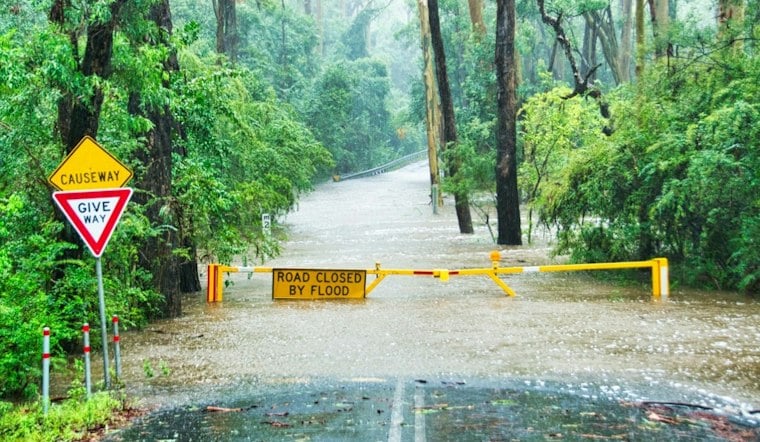
A flash flood warning went into effect across the Piedmont on Friday afternoon, covering Greensboro, High Point, Archdale, Jamestown, Trinity and Climax as heavy rain overwhelmed creeks, streets and low-lying areas. The warning was issued at 3:10 p.m. and is set to expire at 6:15 p.m. Friday evening.
Storms Drenching Davidson, Guilford and Randolph Counties
The National Weather Service in Raleigh issued the warning, according to the Raleigh News & Observer, and it applies to Davidson, Guilford and Randolph counties. Doppler radar indicated thunderstorms producing heavy rain across the warned area, with 2 to 3 inches of rain already reported near High Point and another 1 to 2 inches possible before the storms move out, the paper's report noted.
Beyond the six named communities, the warning's reach extends to Randleman, McLeansville, Pleasant Garden, Forest Oaks and Colfax, along with Oak Hollow Marina, Lake Jeanette Marina and Randleman Regional Reservoir Marina, per the same report. Flash flooding was described as ongoing or expected to begin shortly Friday, threatening small creeks, streams, urban areas, highways, streets, underpasses, poor-drainage spots and other low-lying ground.
What Residents In The Warned Area Are Being Told To Do
People in flood-prone areas should seek higher ground promptly, and anyone told to evacuate should do so immediately, the outlet's report states. Those leaving their homes may disconnect utilities and appliances if time allows and should lock up before heading out.
The safety guidance also warns people away from basements or rooms with submerged electrical outlets or cords, and away from any water that might carry an electric current — anyone who hears electrical buzzing or popping sounds should evacuate immediately. Walking through floodwaters is discouraged entirely; anyone trapped by moving water is advised to seek the highest possible point and call 911.
Why Driving Through Flooded Roads Is So Dangerous
Drivers are being told never to drive through water on the road, and to turn around and head back if they come across a flooded street rather than attempt a crossing. The National Weather Service's warning, as relayed by the paper, notes that just 6 inches of moving water can knock a person off their feet, while 12 inches of rapidly flowing water can carry away most cars.
In wet weather generally, drivers are urged to turn on headlights, avoid puddles and low areas of standing rainwater, stay in middle lanes and remain on higher ground where possible, and avoid following large vehicles too closely. The warning also addresses hydroplaning, describing it as uncontrollable sliding on wet roads that occurs when water builds up in front of a tire faster than the vehicle can displace it, causing the car to rise and slide on a thin layer of water. Vehicle speed, water depth and tire tread depth are cited as the primary factors, with low or absent tread able to cause sliding on its own.
Drivers who feel their vehicle start to hydroplane are advised to ease off the accelerator, avoid slamming the brakes, and wait for the tires to reconnect with the road before straightening the wheel — turning gently into the skid if needed. Vehicles with anti-lock brakes can brake normally, while older vehicles without ABS should have their brakes pumped gently, according to the guidance.
Flooding can strike with little warning, and federal flood-insurance outreach from FloodSmart notes that flooding can happen anywhere, encouraging residents to consider coverage before a storm rather than after one. The flash flood warning for the Piedmont remains active until 6:15 p.m. Friday.





