

























































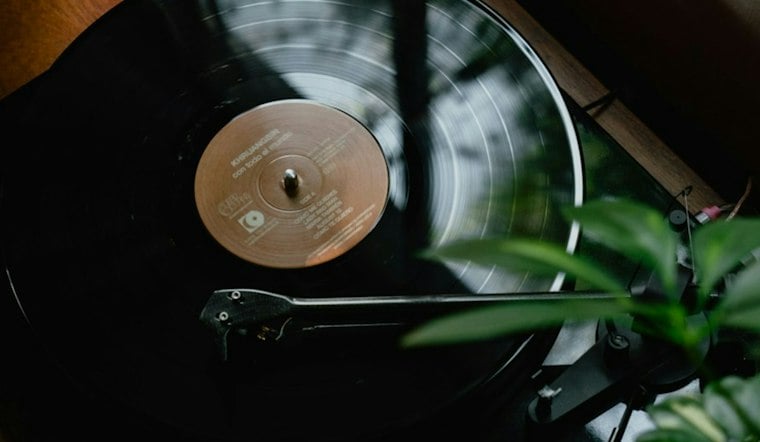
Fat Elephant Records, Books & Music is opening its second location, this time inside the Folsom Premium Outlets at 1300 Folsom Blvd. on October 16. The shop, known for its pre-owned vinyl and vintage focus, will stock leftover inventory from The Beat, the beloved Sacramento record store that closed in 2013 after 30 years in business, with records priced between $3 and $10 according to owner Charles Lago.
The new outlet-mall location marks a rapid expansion for a business that only opened its first store in Rancho Cordova in October 2024, as the Sacramento Bee reports. That original shop was later relocated to Folsom's historic district at 303 Riley Street, according to the Folsom Telegraph. That move expanded the footprint from Rancho Cordova into Folsom.
Lago's path into record retail started in an unusual place. He has worked as a Hollywood talent manager representing high-profile actors including Cloris Leachman and Tom Sizemore, per the same Folsom Telegraph account, and in Rancho Cordova's video department. He stepped into the record business after a friend's father passed away, leaving behind tens of thousands of vinyl records and CDs dating back to the 1920s, and after reading an article about vinyl's resurgence in 2024, he decided to open a shop rather than let the collection sit in storage.
A Nod to Sacramento's Record Store History
Fat Elephant's connection to The Beat includes the shuttered store's leftover inventory. The Beat was the iconic record store that operated for 31 years at 1700 J Street in Sacramento before closing in June 2013, according to the Sacramento Grapevine. The Beat's Midtown location was later converted into a BevMo!, the outlet notes, leaving a physical void that Fat Elephant now fills in part with the shuttered store's leftover stock.
The new Folsom outlet location will be open from 10 a.m. to 7 p.m. Monday through Thursday, 10 a.m. to 8 p.m. on Friday and Saturday, and 11 a.m. to 7 p.m. on Sunday. The shop will sell mostly pre-owned CDs and records alongside some new releases, with a continued focus on vintage albums. Fat Elephant has also hosted live music acts at its existing locations and plans four live performances in November.
Filling a Gap Left by Sacramento's Record Store Closures
Fat Elephant's growth comes as Sacramento's suburban music retail scene has seen major players disappear. Dimple Records, the region's long-standing independent chain, closed its Land Park location in June and its six remaining locations by September 2019 after 45 years in business, according to CapRadio. Dimple was founded in 1974 before its owners retired. Regionally, Fat Elephant now helps fill the void left by the closures of Tower Records, The Beat and Dimple Records over the past two decades.
The expansion also lands amid a broader national rebound for physical music formats. U.S. vinyl sales passed $1 billion in 2025, crossing the $1 billion mark in a calendar year for the first time since 1983 and marking 19 consecutive years of growth, according to the Recording Industry Association of America's 2025 year-end report as covered by Music Week. U.S. vinyl sales generated nearly half of total global vinyl revenue last year. American consumers bought 46.8 million new vinyl albums in 2025 compared to 29.5 million CDs, with vinyl generating more than triple the wholesale revenue of CD sales.
That vintage-heavy demand lines up with Fat Elephant's business model. Catalog titles, meaning albums released more than 18 months ago, account for roughly 70% of all U.S. vinyl sales, according to research from Chartlex, with frontline pop releases driving the remaining 30%. That trend helps explain why a shop built on pre-owned stock and legacy inventory like The Beat's old sign and unsold records has found room to grow inside a shopping center better known for discount fashion outlets.
When explaining how the first Rancho Cordova store began, Lago summed up the decision simply: “A space became available in Rancho Cordova, and we took it.”



