

























































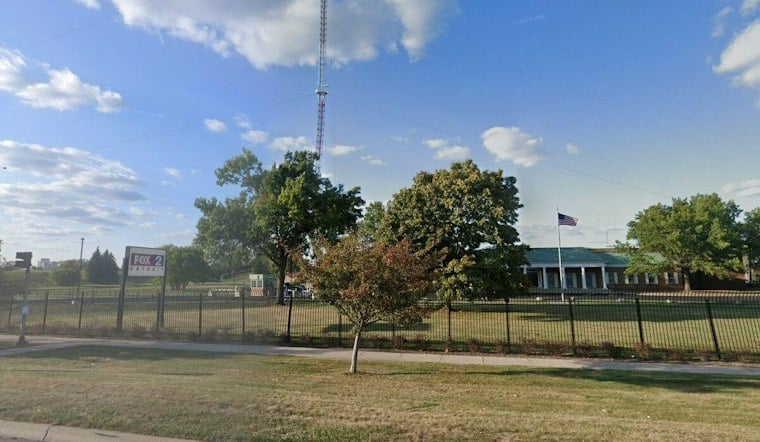
Abdul El-Sayed is scheduled to appear at FOX 2 Detroit’s one-hour U.S. Senate debate at 7 p.m. Tuesday, while Republican nominee Mike Rogers has declined to participate. FOX 2 said the debate will proceed with El-Sayed, according to FOX 2 Detroit.
Rogers campaign points to moderator
Rogers spokesperson Alyssa Brouillet said the campaign objected to Roop Raj serving as moderator. The campaign has argued that Raj was favorable toward El-Sayed, pointing to Raj’s description of the Democratic nominee as brilliant and commentator Hasan Piker’s praise of Raj, according to The Washington Sun and Deadline Detroit.
FOX 2 and the Michigan Debate Committee sent invitations to the campaigns on Aug. 5. El-Sayed accepted after winning the Democratic primary, while Rogers’s campaign initially acknowledged the invitation and responded on the morning of the debate, FOX 2 reported.
Two additional debates are scheduled
The campaigns have agreed to two other debates: an Oct. 8 event at a WOOD TV 8 debate in Grand Rapids and an Oct. 21 WXYZ debate in Detroit, according to Deadline Detroit. The Grand Rapids station and venue also hosted Rogers’s 2024 debate with Elissa Slotkin, according to Bridge Michigan.
The debates are part of the campaign for the Senate seat Gary Peters is leaving. El-Sayed won the Democratic nomination by defeating Haley Stevens, while Rogers ran unopposed for the Republican nomination, according to PBS News.
Michigan primary turnout
The available recent comparison shows substantially higher participation in Michigan’s 2026 Democratic Senate primary than in the party’s 2024 primary. More than 1,528,000 votes had been counted as of Wednesday afternoon in 2026, compared with roughly 934,000 votes cast in the 2024 Democratic Senate primary, according to The New York Times. Those figures provide a primary-to-primary comparison; they do not by themselves establish typical turnout differences between presidential and midterm elections.




