

























































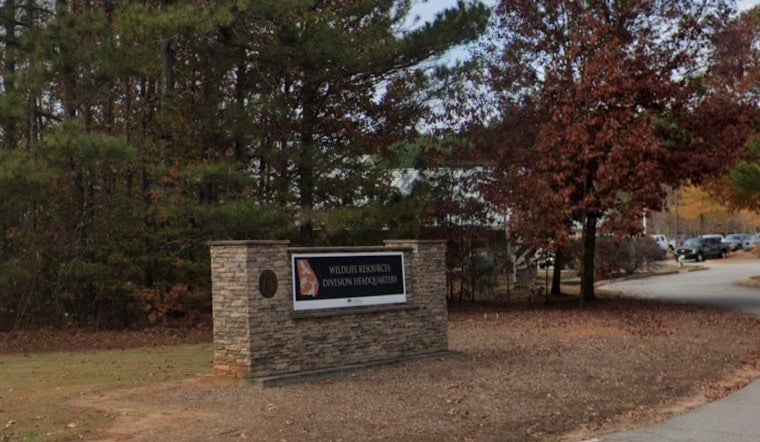
Georgia wildlife officials are proposing the largest overhaul of the state's protected species list in two decades, a plan that would expand the roster from 318 to 423 animals and plants and touch everything from backyard butterfly gardens to commercial nurseries. The changes mark the first comprehensive revision since 2006, and the public comment period is already underway.
The Georgia Department of Natural Resources' Wildlife Resources Division announced that the comment period opened Aug. 28 and runs through Sept. 20, according to CBS News Atlanta. Residents can weigh in by calling (706) 557-3213, emailing [email protected], or mailing written statements to the Wildlife Resources Conservation Center in Social Circle, with all comments due by 4:30 p.m. on Sept. 20.
The proposed updates stem from technical team reviews conducted for the 2025 revision of Georgia's State Wildlife Action Plan, along with public nominations submitted in June, per the station's reporting. That plan itself reflects a dramatic shift in how the state tracks at-risk wildlife: the broader catalog of “Species of Greatest Conservation Need” expanded to 1,062 species in the 2025 plan, up from 640 species identified in the 2015 version, according to the Georgia Conservancy.
A Net Gain That Still Includes Losses
The headline number, adding 145 new species while removing 40 whose populations have recovered and reclassifying 66 others, produces the net increase to 423 total species, according to AM 1180 Radio. The station's report frames the changes as a two-way street: some Georgia wildlife is bouncing back enough to come off the list, even as far more species are being added because of population decline.
Broken down by category, protected plant species would rise from 155 to 208, invertebrates from 51 to 89, amphibians from 9 to 12, fish from 57 to 60, reptiles from 16 to 18, birds from 20 to 24, and mammals from 10 to 12, per the CBS Atlanta breakdown of the proposal. The rule changes also include updating scientific names and aligning state conservation statuses with federal endangered species listings.
Among the notable animals and plants proposed for state protection are the monarch butterfly, Eastern diamondback rattlesnake, Suwannee alligator snapping turtle, tricolored bat, Atlantic sturgeon, ornate chorus frog and Appalachian cottontail, according to the Center for Biological Diversity. Several of these species have faced severe habitat loss or regional population decline across the Southeast, the organization notes.
What State Protection Actually Prohibits
Georgia's protections trace back to two 1973 statutes, the Georgia Endangered Wildlife Act and the Georgia Wildflower Preservation Act, under which intentionally harming listed animals or illegally removing listed plants is a misdemeanor, according to the Georgia Department of Natural Resources. Under the proposed rules, state listing would continue to prohibit removing protected plants from public land without a permit or from private property without the landowner's permission, and it would bar intentionally harming protected animals.
State species listing focuses on regulating direct capture or harm on public lands and private property without consent, serving as a preventative step meant to protect species before they trigger mandatory restrictions under the federal Endangered Species Act, the department explains. In other words, the list is designed to catch declining wildlife early, before federal intervention becomes necessary.
The proposal also creates a commercial exemption for 39 protected native plant species, allowing nurseries and growers to sell specimens cultivated from documented captive stock without individual state permits, according to The Current. The proposed amendments would specifically allow the sale of certain protected plant species grown in captivity from pre-existing horticultural material with origin documentation, per CBS Atlanta's report, easing a hurdle that previously complicated legal native plant sales.
Growth Pressures Behind the Update
Conservation leaders noted that Georgia's population growth to more than 11 million residents has expanded suburban footprints into rural spaces, heightening habitat fragmentation for local wildlife, The Current reported. Georgia ranks among the most biologically diverse states in the country, home to more than 4,000 native species of plants and animals stretching from the Blue Ridge Mountains to the Atlantic coast, including more than 70 species already listed at the federal level, according to the Center for Biological Diversity.
The state's nongame wildlife conservation section relies on federal State Wildlife Grants tied to its 10-year action plan, along with voluntary revenue sources like monarch butterfly and bald eagle specialty license plates, rather than general state tax dollars, per the Georgia Department of Natural Resources. The department has said public input is important and valuable in developing and implementing state regulations.
Next Steps for the Proposal
A public hearing on the proposed changes is scheduled for Sept. 8 at 7 p.m. at the Wildlife Resources Division headquarters in Social Circle, according to CBS Atlanta. Full details of the proposal are available on the Wildlife Resources Division's website, and the Georgia Board of Natural Resources is set to vote on the amendments during its Oct. 27 meeting in Atlanta.





