

























































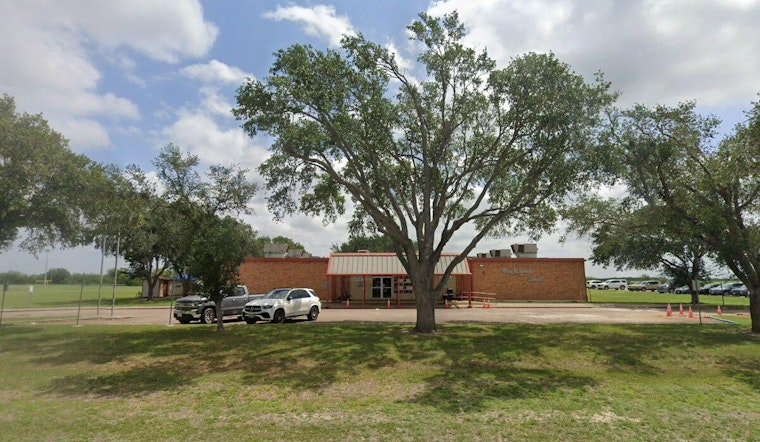
Health and Human Services Secretary Robert F. Kennedy Jr. announced more than $225 million in new supplemental funding for Head Start programs across the country, with $89 million earmarked for nutrition upgrades and $88 million for facility improvements at centers serving low-income children and families. The money arrives even as federal data shows Head Start has lost nearly 100,000 funded slots since 2021, a contraction unfolding alongside the new grants and a related regulatory overhaul.
An Announcement Made in Person, With Local Stakes
Kennedy delivered the news in person at the Mary Garcia Center in Alice, Texas, according to KIII TV. An Alice-area Head Start facility is receiving $348,000, the station reported. As reported by ABC24, the $89 million nutrition allocation marks an increase of roughly $27 million compared with the $62 million HHS invested in Head Start nutrition in 2025, when that funding reached over 290 programs. This year's nutrition grants are set to reach more than 400 Head Start grant recipients, per the same outlet's reporting.
The $89 million nutrition allocation supports Head Start health and nutrition, KIII TV reported. The nutrition funding is designed to support access to nutritious foods, food preparation and storage, farm-to-table and gardening programs, and nutrition education, according to ABC24's account. Separately, facility improvement funding worth $88 million will go to 28 recipients for renovations, repairs, and modernization of Head Start learning environments, the outlet reported, while a $47 million pool of one-time operational funding will support 180 programs covering needs like transportation vehicles, HVAC systems, playground equipment, classroom furniture, staff training, and security systems.
Framed as Part of a Broader Health Push
HHS said the nutrition grants align with President Donald Trump's Make America Healthy Again initiative, with discussion focused on highly processed foods in centers while supporting nutrient-dense foods, kitchen refrigeration upgrades, and farm-to-table programs. Kennedy said the department is strengthening Head Start nutrition and creating healthier, safer environments for children, according to ABC24, while Lizbeth Casco White said children thrive in environments tailored to their health, safety, and development, the outlet reported. Head Start serves roughly 800,000 children annually across the United States as a federal program providing early childhood education, health, and nutrition services to low-income children and families, per ABC24.
In Georgia, more than $2 million of the supplemental funding will flow to Head Start programs through 11 regional community agencies, including the Clayton County Community Service Authority and Ninth District Opportunity, according to 95.5 WSB. That distribution illustrates how the national grant package ultimately lands with the local community action agencies that run individual centers.
A Program Losing Ground Even as Funding Rises
The new grants land against a backdrop of steep capacity losses across Head Start. A July 2026 brief from HHS's Office of the Assistant Secretary for Planning and Evaluation found that grantee Change in Scope requests, which allow centers to formally reduce their funded capacity, increased from 104 in fiscal year 2021 to 886 in fiscal year 2024, resulting in a net loss of 97,625 funded Head Start slots nationwide despite federal budget increases, according to HeadStart.gov. Nearly 90% of those slot reductions occurred in preschool rather than Early Head Start, per the same brief.
Office of Head Start program data published in August 2025 showed that in Fiscal Year 2024 the federal program operated on a total budget of $12.27 billion to support a funded enrollment of 715,873 children and pregnant women nationwide, according to HeadStart.gov's own figures. HHS has also published a proposed rule titled Reducing Federal Burden for Head Start Programs, released in August 2026, which seeks to cut administrative regulations and give local providers greater operational flexibility. The department projects the changes could save $2.2 billion and preserve or expand up to 236,000 Head Start slots.
According to OSSE's Responses to Fiscal Year 2018 Performance Oversight, a Head Start provider in the District of Columbia served 5,224 children in fiscal year 2018. K-12 Dive reported on enrollment at Head Start programs under interim management.
Kennedy's Family Tie and a Competing Congressional Vision
Head Start's history sits alongside a starkly different vision from congressional Democrats: Rep. Rashida Tlaib and Sen. Bernie Sanders introduced the Head Start for America's Children Act, which would expand federal Head Start eligibility to serve 11 million low-income children nationwide while establishing higher educator pay and minimum operating hours, as Hoodline's earlier coverage detailed.
Federal early-childhood funding proposals remain subject to congressional action. Congress will ultimately set final discretionary funding levels through annual appropriations. Some providers have cited staffing shortages as an operational hurdle, a tension that runs beneath both the administration's regulatory streamlining push and the more expansive congressional proposals still pending on Capitol Hill.





