

























































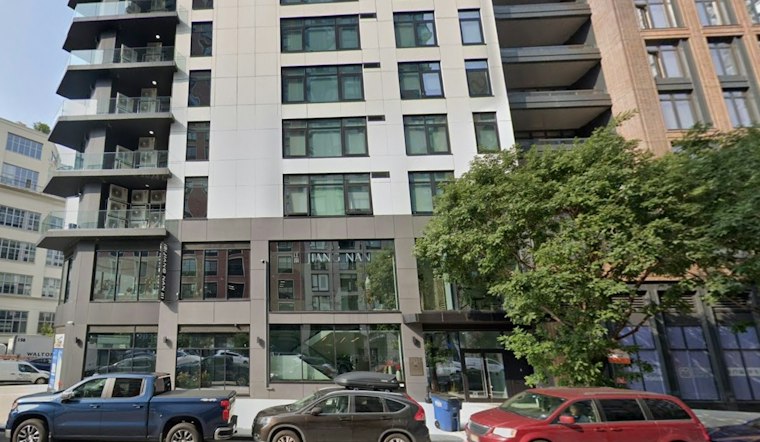
Hibachi and omakase restaurant Bijin Omakase has signed a 15-year lease for 5,077 square feet at the base of Trio, a nine-story residential building near the intersection of Thomson Avenue and Jackson Avenue in Long Island City. The tenant's final executed rent has not been disclosed; the space carried an asking rent of $130 per square foot, more than double the neighborhood's average storefront asking rent, and the deal came together just five weeks after the restaurant's team first toured the space.
The lease was reported by Commercial Observer, which detailed how retail brokerage RTL represented both sides of the transaction — an arrangement in which Eli Gold and Michael Shkreli worked on behalf of Bijin Omakase, while Thomas Galo and Matthew Knispel negotiated for landlord ZD Jasper Realty. Gold said the ground-floor space was a strong fit for the restaurant, adding that the deal showed an understanding of client requirements and the ability to identify opportunities before broader market exposure, according to the same outlet.
Trio includes 34 residential units above the restaurant's future footprint, and the address is also known as 27-22 44th Drive in Queens. Bijin Omakase already runs a location at that same 27-22 44th Drive address, where it combines live teppanyaki hibachi tables with structured omakase sushi tasting menus, according to the restaurant's own site.
Why Hibachi Concepts Have So Few Options
Finding a home for a hibachi and teppanyaki buildout is not simple. These concepts require heavy-duty ventilation, dedicated grease traps, and high-capacity gas lines, all of which significantly narrow the pool of viable commercial spaces compared with standard retail tenants. High-heat cooking setups also demand extensive mechanical infrastructure and ducting, which is why Bijin Omakase's specific physical requirements limited the universe of spaces it could consider before the ground-floor unit at Trio was found to meet those needs.
The speed of the deal — five weeks from tour to signed lease — reflects how tightly specialized food and beverage space is in demand across the neighborhood, the report indicates. RTL negotiated the lease off-market for both the landlord and tenant, a structure that let the two sides move quickly once the fit became clear.
A Landlord With Deep Queens Roots
Trio is owned by ZD Jasper Realty, the same firm behind the 17-story tower rising on the old Papaya King corner that Hoodline previously reported on. Founder Tom Zhidong Wu started the company in 1996 and completed 11 residential projects across Queens before the firm expanded into Manhattan luxury development with more than $120 million in land acquisitions, according to The Real Deal. Wu originally purchased the Trio development site at 27-19 Thomson Avenue in July 2018 for $6.85 million, according to Traded, before building out the nine-story structure that now houses both apartments and ground-floor retail.
Trio itself has a history tied to the neighborhood's affordability push. An affordable housing lottery launched in July 2022 made 11 of the building's more than 30 apartments available to residents earning 130 percent of the area median income, New York YIMBY reported at the time, with the project yielding roughly 5,039 square feet of lower-level commercial space designed for retail use.
Rents Climb as Long Island City Fills In
The $130 per square foot asking rent at Trio stands out even in a hot market. Average storefront retail asking rents across Long Island City reached $60.80 per square foot in 2026, and even the neighborhood's top-tier listings near transit hubs top out around $128 per square foot, according to Realmo. That makes the Bijin Omakase deal a rare outlier well above prime corridor pricing.
The lease lands amid a decade of growth in the submarket. Long Island City has added residential and retail space, and its residential population has grown. The neighborhood also has residents with graduate or professional degrees.
That growth may accelerate further. Additional housing, commercial and industrial space, and infrastructure around commercial corridors like Jackson and Thomson avenues are part of the neighborhood's development outlook.
As the neighborhood shifts from a residential boomtown into a more established business district, ground-floor retail space is commanding premium rents, Commercial Observer's reporting suggests — with Trio's asking price serving as a clear example. The broader question now is how surrounding commercial corridors absorb the wave of additional housing and retail space still to come.





