

























































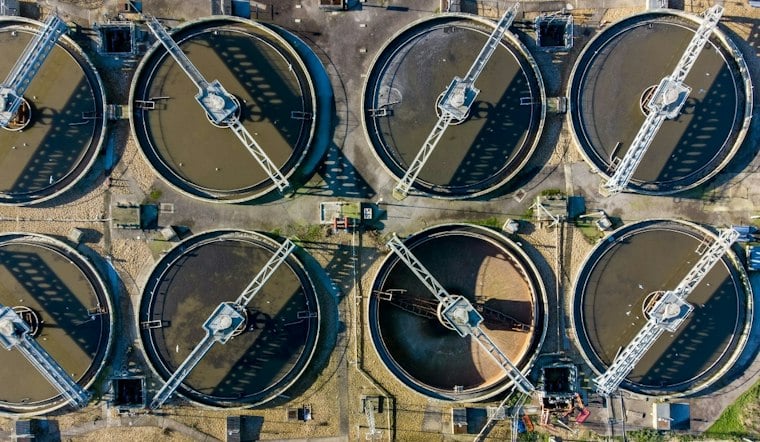
Honolulu's wastewater system failed at several points during Tropical Storm Lala, sending an estimated 25.45 million gallons into Honolulu Harbor after a much larger volume backed up at the Sand Island Wastewater Treatment Plant. The event was among the largest sewage spills the city has recorded since 2006, based on figures released by the city and county.
The main spill occurred on August 16, 2026, as Tropical Storm Lala brought more than 1 trillion gallons of rain to the islands, according to Honolulu Civil Beat. Clogged screens at Sand Island caused 26.1 million gallons of wastewater to back up and enter storm drains, according to the city's account. Crews recovered more than half a million gallons, leaving an estimated 25.45 million gallons to flow through storm drains into Honolulu Harbor. Oahu's storm drains discharge directly into nearshore ocean channels without treatment.
The City and County of Honolulu Department of Environmental Services said on September 4 that four separate municipal wastewater incidents occurred during the storm, citing heavy rain, electrical failures and related equipment problems in a statement from the Office of the Mayor. The Sand Island discharge consisted of wastewater that reached the harbor through the storm-drain system, prompting the need for public-health guidance about contact with affected waters.
A Screen-Clogging Problem Nobody Saw Coming
The Sand Island screen failure exposed a vulnerability the city had not previously encountered during heavy rain. The city's consent-decree planning did not specifically anticipate screens clogging in this way, and the Department of Environmental Services is bringing in an outside consultant to determine how to prevent a recurrence. Crews restored flow by clearing one screen first and then addressing the remaining screens.
Sand Island handles roughly 60 million gallons of sewage on an average day, though the plant near downtown Honolulu spans 24 acres and carries a maximum wet-weather capacity of 240 million gallons daily, according to Stantec, which has worked on the facility's upgrade planning. Crews eventually fixed the screen problem by clearing debris from one screen first, allowing flow to resume before tackling the rest.
Other Storm-Driven Failures Piled On
Sand Island was not the only source of trouble that week. The Ala Moana wastewater pump station in Kakaʻako spilled roughly 700,000 gallons during power outages and a broken backup-generator gasket, with crews recovering about 150,000 gallons of that total. Separately, a wastewater backup occurred near 425 South Street during the same outages, and building management there pumped backup water onto Auahi Street to protect the building's electrical system, sending unrecovered sewage into the harbor by way of storm drains, per the mayor's office statement.
A Mānoa Valley manhole also overflowed, spilling about 100 gallons of sewage, rounding out the four incidents the city disclosed. None of those figures are municipal in nature, but a separate private system failure compounded the picture: Hawaii American Water reported that a power loss shut down pumps at its facility near Sandy Beach for nearly three hours, releasing approximately 717,000 gallons of partially treated wastewater into the ocean, according to a statement from American Water, which serves roughly 30,000 Oahu residents through its private wastewater system.
Echoes of Honolulu's Worst Spill in 2006
The scale of this month's spill invites comparison to Honolulu's infamous 2006 sewage disaster, when nearly 50 million gallons poured into the Ala Wai Canal during 40 days of continuous rain, closing beaches from Magic Island to Fort DeRussy. A smaller 2015 spill tied to Tropical Depression Kilo sent roughly half a million gallons of sewage into the area near Atkinson Drive and Ala Moana Boulevard, shutting down ocean access from Kūhiō Beach to Kakaʻako at the time.
Those past disasters are part of why Honolulu entered a global consent decree with the federal government in 2010, one that consolidated decades of Clean Water Act litigation brought by the U.S. EPA, the Hawaii Department of Health, the Sierra Club, Hawaii's Thousand Friends, and the Our Children's Earth Foundation, and required a $1.6 million civil fine alongside mandatory system upgrades. That 2010 decree followed a 1995 consent decree and a 2007 stipulated order.
Billions Spent, But Storms Keep Testing the System
The consent decree requires biological treatment and improvements to Honolulu's sewage collection system, and the city has spent billions of dollars on that work. Honouliuli completed its biological-treatment requirements in 2024, while Sand Island remains in the middle of a multistage upgrade. The difference in completion schedules is central to the plant's remaining Clean Water Act obligations.
The Sand Island work, known as Secondary Treatment Phase 1, uses membrane bioreactor technology and is scheduled for completion in December 2026, according to Hensel Phelps. Full secondary-treatment compliance is not required until 2035. The Surfrider Foundation challenged proposed Clean Water Act permit renewals for the plant in April 2026. Until the upgrades are complete, Sand Island continues to discharge treated effluent into the ocean.
The Hawaii Department of Health's Clean Water Branch says coastal waters are usually safe to enter after 48 hours of tidal flushing, but advises people to wait for further instructions after a sewage spill. Beach sewage advisories remain in effect until water samples show that enterococci levels no longer exceed the beach action value, according to the Hawaii Department of Health. The guidance does not establish a single automatic clearance time for every spill; residents should follow any incident-specific department notice.
Sand Island's importance makes the compliance timetable significant: Honolulu Department of Environmental Services records show that the plant serves metropolitan Honolulu to, but not including, Hawai‘i Kai, and that its service region generates more than 55% of O‘ahu's wastewater. Under the 2010 consent decree, the U.S. Environmental Protection Agency set June 1, 2024, as the deadline for completing and fully implementing required measures at Honouliuli and December 31, 2035, for Sand Island.
Why Pipes and Pumps Keep Failing in Storms
Steve Holmes said cracks and breaks in the sewage system allow stormwater to seep in, even though Honolulu's stormwater and sewage collection systems are technically separate. Holmes said the city still has hundred-year-old pipelines in terrible condition, a vulnerability that becomes especially apparent when pump failures or broken pipes combine with the kind of rain Tropical Storm Lala dropped on the islands. Sewage pipes rely on both gravity and electrical pumps to keep flowing, and when either fails, backups and spills tend to follow. The Sierra Club continues to monitor the city's progress under the consent decree.
Honolulu reported about 200 sewage spills in 2006 and 31 in 2024, indicating a substantial decline even as the city continues to face failures during extreme weather. The Lala incident now leaves two questions for officials: whether the consultant's review will address the screen-clogging mechanism and whether ongoing capital work can reduce the risk posed by heavy rain, power loss and aging equipment.





