

























































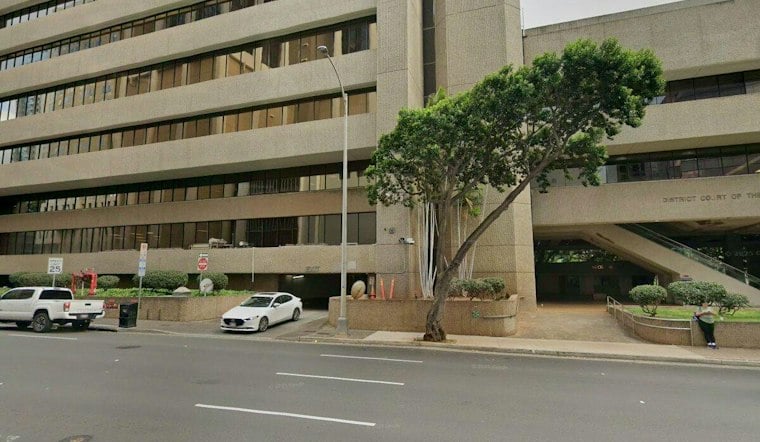
A Honolulu woman accused of funneling $2,000 into a 2020 mayoral campaign through relatives has had her trial delayed for a fifth time, as attorneys continue negotiating a possible plea deal. Terri Ann Otani, 71, is accused of illegally funneling money to political candidates by using her family members' names to skirt contribution rules, and her case is now expected to head to trial in mid-November if no agreement is reached.
Otani faces four counts of false-name contributions tied to the 2020 election cycle, according to Hawaii News Now. Prosecutors allege that in July 2020, she donated a total of $2,000 to Honolulu mayoral candidate Colleen Hanabusa in the names of her sister and niece, according to Civil Beat. Otani has pleaded not guilty to the state charges.
The case traces back to testimony from Otani's own family. Her older sister, Joann Aurello, testified about political contributions allegedly made in her name. Otani's niece, Jodee Haugh, also testified after donations totaling tens of thousands of dollars were made in her name.
A Federal Acquittal Preceded the State Charges
The allegations first surfaced when Otani's sister and niece testified in a separate federal bribery case last year, the same reporting from Hawaii News Now notes. That federal case, which concerned alleged bribery involving former city prosecutor Keith Kaneshiro, ended in acquittal for Otani and her co-defendants from Mitsunaga & Associates in 2024, according to Civil Beat, which reported that “all defendants, however, were acquitted after a weekslong jury trial.” Otani was later charged with state crimes.
Hawaii's attorney general's office filed the state case against Otani after the federal trial testimony brought the alleged straw donations to light. The state prosecution involves distinct campaign-finance charges rather than the federal bribery conspiracy at issue federally.
A Statute of Limitations Narrowed the Case
The state case concerns funneling campaign money through family members, but it was significantly narrowed by timing. Campaign finance data reviewed by Civil Beat identified 43 allegedly false donations totaling more than $38,000 between 2010 and 2020 that Otani's relatives testified were not really theirs. Yet a five-year deadline on criminal campaign violations meant prosecutors could only pursue charges tied to the 2020 Hanabusa donations, according to Hawaii News Now's earlier coverage of the case.
The statute of limitations had already run before the government learned about the alleged conduct. Hawaii lawmakers have considered legislation aimed at closing a limitations-period loophole.
Straw Donations Are Rarely Prosecuted in Hawaii
Cases like Otani's are unusual in Hawaii's political history. A review by Civil Beat found no criminal straw-donation case in the state over the prior 20 years. The rare prior example came in the early 2000s, when Wesley Segawa pleaded no contest to donating more than $60,000 to the Harris campaign through friends and family, per the same outlet's reporting.
Other testimony tied to the broader Mitsunaga case has described similar arrangements. Company accountant Gilbert Matsumoto testified that he received a $6,350 check from a company executive in 2017 to make a $6,000 political contribution, while Sam Hyun testified that he reimbursed an employee and family members for donations to Charles Djou in 2016 and Neil Abercrombie in 2010, according to newsfromthestates.com's reporting.
Debate Over Enforcement
The case has prompted discussion about prosecution and enforcement.
With plea negotiations still underway, Otani's case remains pending in Honolulu. Barring a deal, her trial is expected to start in mid-November.





