

























































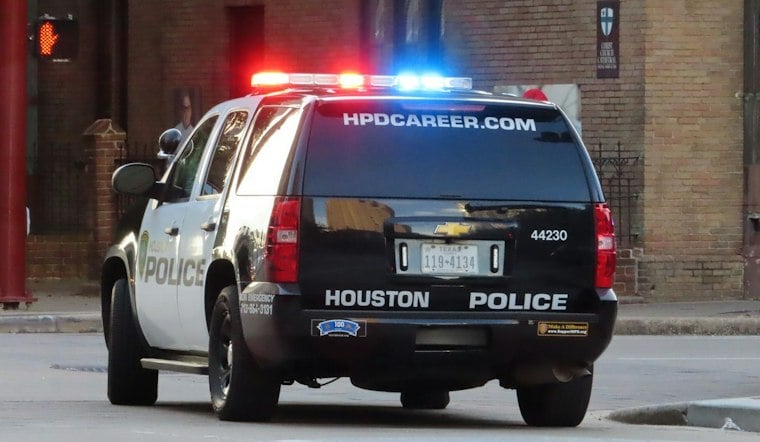
A Houston-area buyer’s account of a Camaro later identified as allegedly stolen has put attention on two separate parts of a used-car transaction: what a police auction verifies before a sale and what a buyer can learn from a vehicle’s title history. The unresolved issue is how the 2018 Camaro passed through an HPD auction before the alleged VIN swap was discovered.
According to KPRC 2 / Click2Houston, the man bought the Camaro for $25,000 from Sam’s Auto Sales, made a $7,000 down payment and continued making payments for months. He told the station the problem emerged about four months later, when another dealership found that the car had allegedly been VIN-swapped and listed as stolen. HPD then impounded the vehicle.
KPRC reported that Sam’s had acquired the Camaro through an HPD auction using the vehicle’s VIN. A dealership manager told the station the business did not know the car was allegedly stolen and that HPD had provided the title. HPD is investigating how the vehicle reached the auction and a private buyer without the alleged theft being detected, according to the report. Those account-specific details remain statements reported by KPRC, not an independent finding in the records cited here.
What HPD’s auction rules do — and do not — say
HPD’s published auction terms limit prospective bidders to a visual inspection and say vehicles may not be operated before bidding. The department also says buyers take vehicles “as is, where is” and that all sales are final. Those terms describe the buyer’s inspection conditions; they do not, by themselves, resolve how the Camaro was identified before the auction.
The incident therefore leaves a specific question unanswered: what checks were performed on this Camaro, and at what point, before it was offered at auction? The available account does not establish whether a particular database check was performed immediately before the sale or explain how the alleged VIN alteration escaped detection.
What a Texas title check can show
The Texas Department of Motor Vehicles recommends running a vehicle identification number through the National Motor Vehicle Title Information System, or NMVTIS. The agency says an NMVTIS report can provide title history, including whether a vehicle was held by a junkyard or salvage yard or declared a total loss by an insurer. Texas also recommends obtaining a separate vehicle-history report and having the car inspected by a reputable mechanic.
NMVTIS is designed to help state titling agencies verify paper-title information against electronic data from the state that issued the title, according to the American Association of Motor Vehicle Administrators. That function makes a title-history check an important pre-purchase step, but the available guidance does not establish what any particular report would have shown for the Camaro or whether a report was obtained before its sale.
Possible Texas administrative steps
Consumers who believe a licensed Texas dealer mishandled a sale can file a complaint with the Texas Department of Motor Vehicles, which investigates complaints against licensed vehicle dealers. A complaint is an investigative avenue, not a guarantee that a buyer will recover a down payment, installments or other losses.
If a Texas title application is refused, the agency says an applicant may pursue a bonded-title application or request a hearing before the county tax assessor-collector in the county of residence, under the processes described by TxDMV. The agency cautions that its information is not legal advice. Whether either process applies to the Camaro buyer would depend on the facts and the status of the vehicle’s title.
A broader enforcement framework, not a finding about this Camaro
Texas’s Motor Vehicle Crime Prevention Authority coordinates law-enforcement agencies, prosecutors, insurers, tax assessor-collectors and other participants in efforts to combat vehicle theft and burglary. That statewide framework provides context for the agencies involved in vehicle-theft prevention, but it does not show that the Camaro case reflects a broader increase or establish why this vehicle passed through the HPD auction.
For now, the central questions remain factual: which identity and title checks were conducted before the auction, how the alleged VIN swap occurred, and what remedies may be available to the buyer after the impoundment. The HPD investigation and any related title or dealer proceedings will determine more than the auction terms alone can show.



