

























































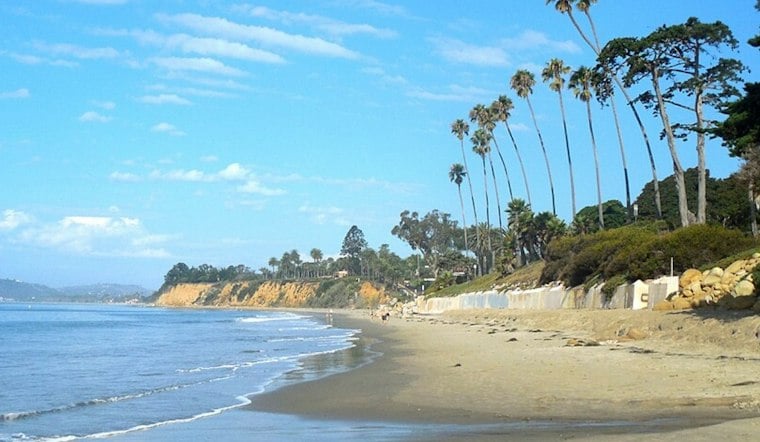
Hundreds of people gathered at West Beach in Santa Barbara on Saturday, September 26, forming a human chain along the shoreline to protest offshore oil drilling. The demonstration doubled as a commemoration of the 50th anniversary of the California Coastal Act, the landmark state law that protects coastal natural resources and seeks to maximize public access to the state's beaches.
The event was organized under the banner of Hands Across the Sand, according to the New York Post. The California Coastal Commission, which administers the law, notes on its own site that the California Coastal Act of 1976 is the formal name of the statute, and the commission separately states that 2026 marks the law's 50th anniversary since its passage.
A Grassroots Campaign With Florida Roots
Hands Across the Sand began in 2009 as a grassroots movement in Florida, founded by Surfrider Foundation member Dave Rauschkolb, the report notes. It has since grown into a nationwide campaign, with demonstrations against offshore oil drilling now occurring annually on beaches across the country, per the same account. Surfrider Foundation, described in the report as a nonprofit dedicated to protecting and promoting enjoyment of oceans worldwide, is listed as a major partner of the campaign, while the Sierra Club is named as a major sponsor.
At the Santa Barbara event, several groups were reported to have attended the demonstration, including Sea League, Women's March, and Fearless Grandmothers, in addition to Surfrider Foundation. Among those present was Ethan Maday, described in the report as a 16-year-old activist, who said more infrastructure should not be built for what he called a dying oil industry.
Tribal Leader Ties Event to Ancestral Land
Toni Cordero, identified as a tribal leader and a board member of the Environmental Defense Center, said the event took place on unceded ancestral homelands of the Chumash peoples, according to the Santa Barbara Independent, as cited in the report. That framing places the West Beach demonstration within a broader conversation about who has historically held claim to the coastline the Coastal Act now governs.
The protest's timing coincides with ongoing federal activity around aging offshore infrastructure. As of January 2026, eight offshore production platforms in the Pacific region were in various stages of decommissioning, according to the Bureau of Safety and Environmental Enforcement. Under Bureau of Ocean Energy Management lease agreements, retired petroleum platforms are required to be removed from the marine environment and taken to shore, per the agency's decommissioning guidance.
For now, the West Beach gathering stands as a local snapshot of a much older fight over California's coastline, one that organizers tied directly to the 50-year milestone of the law meant to keep those beaches open and protected.





