

























































A driver went off the road near Old St. Paul's Lutheran Cemetery in Catawba County, plowing into rows of centuries-old gravestones and leaving several of them broken in half. Police in Newton reported that an impaired driver caused the damage at the historic site, according to a church post describing significant harm to markers dating back generations.
The crash was first reported by WSOC-TV, which noted that Old St. Paul's Lutheran Church dates back to the early 1800s and that some of the gravestones knocked over in the crash were broken in half. The church says it plans to work with the driver's insurance company to repair the damaged headstones, per the station's reporting.
A social media update from the church added more detail to how the crash unfolded, saying it happened around 2:00 a.m. on August 28, when an impaired driver clipped a guardrail, crossed a drainage ditch, and struck the headstones at high speed. Police reports cited by the church indicated the vehicle was traveling well above the posted speed limit at the nearby intersection before it left the road.
A Cemetery With Roots Stretching to the 1700s
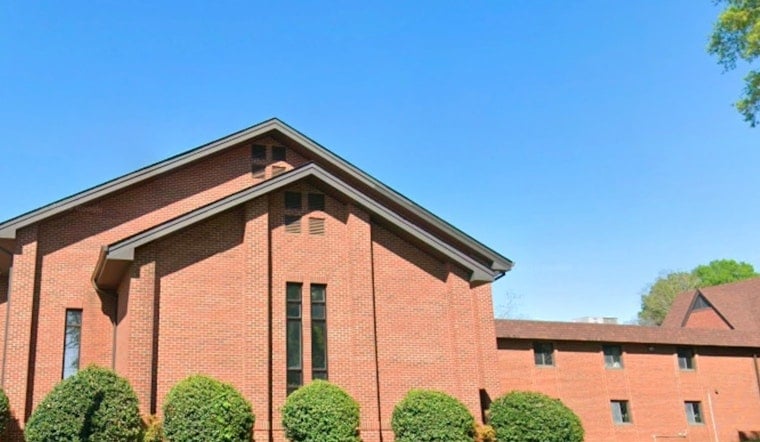
Old St. Paul's Church and Cemetery isn't just an old country churchyard — it carries formal federal recognition. The site was added to the National Register of Historic Places on December 9, 1971, cementing its architectural and regional significance in Catawba County. The two-story log-and-weatherboard sanctuary standing on the property was completed in 1818, making it one of the oldest surviving church buildings in North Carolina west of the Catawba River.
The cemetery grounds themselves stretch back even further. According to the North Carolina Department of Natural and Cultural Resources, German Lutheran and Reformed pioneers established a joint “Dutch Meeting House” on the land between 1759 and 1771, with grave markers on the property dating to the late 18th century. Early settlers secured a 10-acre lease in 1771 for the chapel and graveyard before church member John Smyer deeded the property in 1818. The cemetery is known for hand-carved markers reflecting 18th-century German Palatinate craftsmanship and includes interments of Revolutionary War and Civil War veterans.
What North Carolina Law Says About Damaged Gravestones
The financial scope of the damage could determine how the case is handled under North Carolina law. Under North Carolina General Statute § 14-148, willfully defacing, disturbing, or vandalizing headstones causing damage of $1,000 or more is punishable as a Class I felony, while damage under that threshold is treated as a Class 1 misdemeanor. Separately, North Carolina General Statute § 15A-1343(b) requires courts sentencing offenders for grave site desecration to consider ordering monetary restitution or property reparation as a condition of probation, a mechanism that could work alongside the insurance repairs the church says it intends to pursue.
Crash Comes Days Before Statewide Impaired-Driving Crackdown
The timing of the Catawba County crash lands just ahead of a major statewide enforcement push. North Carolina's annual “Booze It & Lose It” campaign ran from August 31 through September 13, 2026, bolstering law enforcement patrols against impaired driving around the Labor Day holiday, according to the Bladen Journal. Figures from the North Carolina Governor's Highway Safety Program cited by that outlet show that 378 of the state's 1,528 traffic fatalities in 2025 involved alcohol-impaired drivers, nearly a quarter of all deaths on North Carolina roads.
Separate statewide tracking from the North Carolina Division of Public Health, via NC Vision Zero, shows alcohol-impaired driving caused 361 deaths and more than 7,200 injuries across the state in 2024. Those figures underscore how the damage at Old St. Paul's fits into a broader pattern of impaired-driving harm playing out on North Carolina roads well beyond one Catawba County cemetery.





