

























































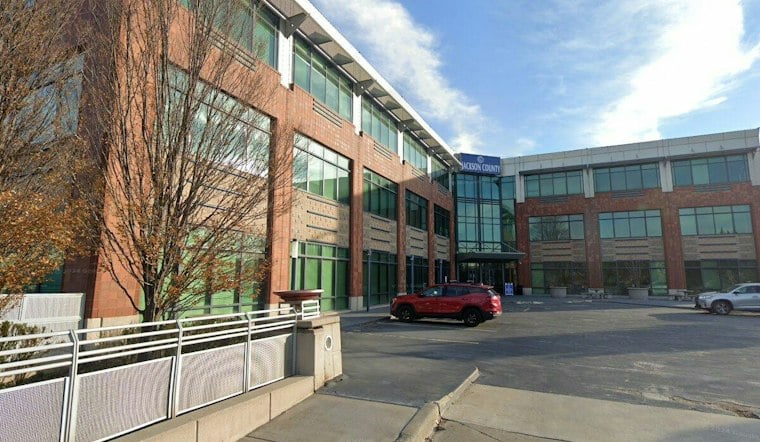
Kansas City homeowners could see a small bump in their property tax bills after city officials say falling property values have left a hole in next year's budget. Under a proposal advancing through City Hall, the owner of a $200,000 home would pay $15.66 more annually in the city portion of their property tax bill, part of a plan meant to offset a 1.5% citywide drop in property values this year.
The Finance, Governance and Public Safety Committee voted Tuesday to send the tax plan to the full Kansas City City Council, according to the Kansas City Star. The council is expected to take up the proposal later this week, and the city must certify any rate change by October 1 to meet its deadline for the fiscal 2027 budget.
The plan calls for a 4-cent increase to the city's property tax rate, which works out to $7.83 for every $100,000 of property value, per the Star's reporting. City staff told the committee the increase is needed because property valuations decreased slightly this year, and the additional revenue, an estimated $5 million, would help fund the city's fiscal 2027 budget, which the council has already approved.
Why Values Fell and Who Sets the Rest of the Bill
The rate hike being considered by the council applies only to the city's own slice of the tax bill. It does not touch the separate tax rates set by Jackson County or local school districts, which make up other portions of what property owners ultimately pay, according to the same Star report.
Much of the pressure on the city's budget traces back to fallout from Jackson County's disputed 2023 assessment cycle, in which residential assessment values spiked by an average of 30%, according to the Star's reporting. The Missouri State Tax Commission ordered the county in 2023 to roll back any assessments that had increased by more than 15%, a decision that has continued to ripple through the city's finances years later. The commission's own records, including a Jackson County Assessment Order issued in May, remain listed among its official resources.
Kansas City has said that Jackson County's retroactive 15% cap on commercial property valuation increases resulted in $2 million in ongoing revenue clawbacks for the city, and the county's broader valuation adjustments are expected to cause an additional $2.4 million revenue decrease during the current fiscal year. The city expects tax credits tied to those Jackson County valuation adjustments to be awarded sometime in 2026.
A Statewide Property Tax Fight Still Playing Out
Kansas City's budget squeeze is unfolding against a broader statewide fight over how Missouri handles property taxes. The Missouri General Assembly closed out its legislative session earlier this year without passing property tax reform, according to The Beacon, leaving homeowners across Jackson County still dealing with the aftermath of the 2025 reassessment cycle and worrying the same problems could resurface when the next cycle arrives in 2027.
Statewide, voters approved a property tax credit meant to freeze bills at their 2024 levels, though implementation has been uneven. Of the counties covered by the law, 22, including St. Charles, Franklin and Jefferson, were designated zero-percent counties where taxes would be frozen outright, while the remaining 75 counties were limited to a maximum annual revenue increase tied to inflation or 5%, according to Governing. Accounts of exactly how that cap is calculated differ: Governing describes the limit as 5% or the inflation rate, whichever is greater, while The Beacon describes state law as limiting revenue growth to inflation or 5%, whichever is lower.
The rollout has also faced legal resistance. Forty-three Missouri counties have joined a lawsuit seeking to block the tax cap law, Governing reports, and Franklin County officials have estimated their county won't be ready to implement the new credit until 2027 at the earliest. Jefferson County's council went further, voting in January to delay implementing its own tax credit until 2028 because of a pending legal challenge.
For now, Kansas City's own proposal remains narrowly focused on the city's portion of the tax bill, with the council expected to weigh in before the state's certification deadline arrives.





