

























































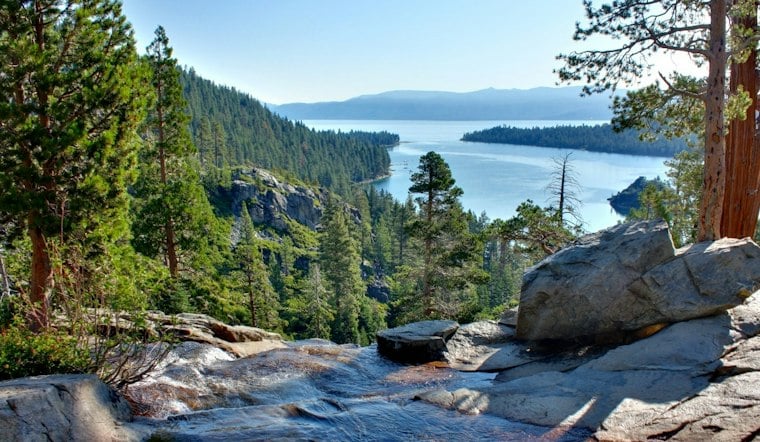
Free parking at some of South Lake Tahoe's most popular beaches and trailheads could disappear under a U.S. Forest Service proposal that would introduce daily vehicle fees starting at $10 and climbing to $15 within five years. The plan targets Kiva Beach, Taylor Creek Visitor Center, Big Meadow Trailhead and Eagle Falls Picnic Area and Trailhead, all currently free to park at, and the public comment window closes Tuesday, September 29.
The fee schedule, released July 31 by the U.S. Forest Service, would apply the $10-to-$15 escalation across those four Lake Tahoe Basin Management Unit sites over a five-year span, according to the agency's own proposal table. As reported by CBS Sacramento, Kiva Beach — a South Shore recreation site where parking is currently free — is among the locations that would see the new charge take effect first. South Lake Tahoe resident Raul Martinez told the station that Tahoe is a paradise for people and their dogs, and that he understands the need to balance public access with maintenance costs.
The same proposal introduces a $10 daily parking fee at Big Meadow Trailhead, a popular starting point for hikers, per the CBS Sacramento report. James Wageman, a visitor from San Diego who has been coming to the Tahoe area for more than 30 years, told the outlet he hopes any fee revenue goes toward maintaining public lands and recreation facilities.
Campgrounds and Backcountry Permits Also Affected
Luther Campground, which currently charges nothing for a single campsite, would carry a new $20 per-night fee under the plan, the station's report notes. Jason Augspurg, a Bay Area visitor on his first trip to Lake Tahoe who came for the area's mountain bike trails, said he supports paying for campgrounds.
The proposal also introduces new $10 daily vehicle fees at the 64 Acres Riverside picnic site and Taylor Creek Visitor Center, alongside a new $20 nightly campsite fee at Watson Lake Campground, according to the U.S. Forest Service. Under a joint proposal issued the same day by the LTBMU and Eldorado National Forest, overnight permit fees for the heavily visited Desolation Wilderness would double from $5 to $10 per person for the first night in Year 1, escalating to $15 per person by Year 5. The proposed structure would also eliminate the existing $20 annual pass option for overnight backcountry permits in Desolation Wilderness, according to South Tahoe Now.
Regional Fee Push Extends Beyond Tahoe Basin
The changes aren't isolated to the Tahoe basin. The neighboring Eldorado National Forest simultaneously proposed fee changes across 33 recreation sites, including doubling daily day-use parking fees to $10 at the Carson Pass and Meiss trailheads along Highway 88, per the agency's Eldorado NF release. Even with all proposed changes approved, more than 37% of developed recreation sites across the Lake Tahoe Basin Management Unit would remain free for public use, the Forest Service reported.
The Tahoe Rim Trail Association publicly opposed the trailhead fees, warning that charging daily fees at major access points like Big Meadow and Echo Lakes creates financial barriers for frequent users of the 165-mile trail system, according to Tahoe Rim Trail Association. The group's concerns were also covered by KRNV News 4.
Where the Money Would Go — and Who Would Manage It
The Forest Service has said the proposed fees would help the Lake Tahoe Basin Management Unit maintain developed recreation sites, improve overall maintenance and visitor services, and preserve the ecological integrity of the natural environment, per the agency statement cited by CBS Sacramento. Under the Federal Lands Recreation Enhancement Act of 2004, at least 80% of recreation fees collected at a specific federal land management site must remain available for direct expenditure at that same local site without further congressional appropriation, according to the Federal Register.
That funding mechanism matters given the scale of use the basin absorbs. The Lake Tahoe Basin Management Unit spans approximately 154,000 acres and receives nearly 6 million visits annually, generating more visitor traffic per acre than Yosemite National Park, according to SFGATE. Separate reporting from the outlet in early 2025 noted that administrative cutbacks and hiring freezes reduced recreational staffing at LTBMU by approximately one-third, leaving several wilderness and facility management roles unstaffed.
Members of the public may submit comments on the proposed fees through Tuesday, September 29. Forest Service staff will review that feedback after the comment period closes and consider whether changes should be made to the proposal before it goes before a citizen advisory committee. From there, the proposal would move to the Forest Service regional forester for a final decision, which the agency could issue as early as spring 2027.





