

























































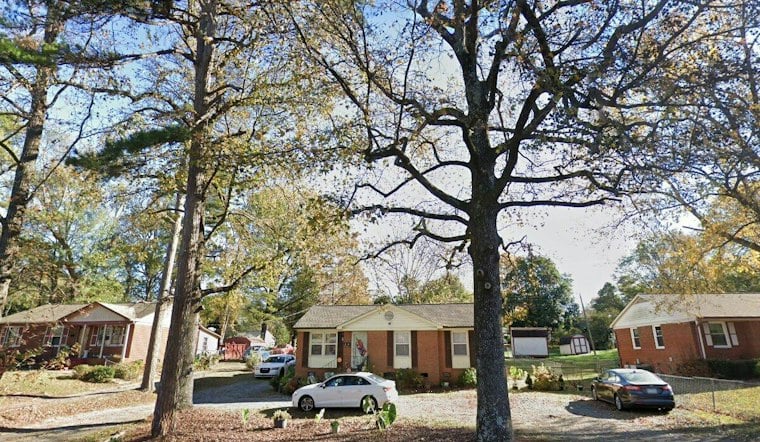
Dennis Fultz spent ten years in his Leicester home before Hurricane Helene tore it apart in September 2024. On Thursday, two years almost to the moment, North Carolina Governor Josh Stein drove out to Leicester and personally handed Fultz the keys to a brand-new house built through the state's Renew NC Single-Family Housing Program.
The handoff, detailed in a release from the NC Department of Commerce, marks Fultz as one of the first homeowners to move into a fully reconstructed permanent house under the program. As Governor Josh Stein
highlighted in a social media post reflecting on the road to recovery, homeowners across the region are gradually returning to safe, secure housing after the storm upended thousands of lives.
Fultz's new house is a small but tangible marker in a much larger, slower-moving recovery. State agencies and non-profit partners have repaired or rebuilt more than 1,250 homes damaged by Helene as of late September, according to the same NC Commerce release, with the Renew NC single-family program itself completing just over 150 homes, 163 houses in the process of being repaired, and 637 more sitting in pre-construction.
A Mountain of Applications, A Trickle of Finished Homes
Those numbers look modest next to the scale of need. The Renew NC Single-Family Housing Program received more than 7,900 applications from storm-impacted homeowners across 29 Western North Carolina counties before its initial application window closed on January 31, per The Assembly. The program prioritizes low-to-moderate-income families, including households with a member over 62 or under 18.
That gap between applications and finished homes traces back to how the recovery effort itself was built. Governor Stein created the Department of Commerce's Division of Community Revitalization in 2025, standing up the Renew NC program to manage $1.4 billion in federal HUD block grant funding independently from the state's existing Office of Recovery and Resilience. Hoodline previously reported that the restructuring aimed to sidestep delays that had slowed earlier state-run storm relief efforts.
Stein Presses Congress for Billions More
Marking two years since Helene struck, Stein renewed his call this week for Congress to appropriate a $10 billion federal disaster recovery package for Western North Carolina, including $3 billion specifically earmarked from HUD for rebuilding damaged homes. State officials say existing federal block grants simply do not cover the full scope of residential destruction across the mountains.
Renew NC has also been expanding past single-family rebuilds. Stein announced a $70 million funding opportunity for the Multi-Family Housing Program on June 25, for rental developments with five or more units, and it awarded $53.38 million in August under its Workforce Housing for Ownership program — a rollout Hoodline covered in its earlier report on the fund's launch. The multi-family effort focuses on rental developments with five or more units.
Housing Tied to a Bigger Economic Rebuild
One day before Fultz got his keys, Stein and the Governor's Recovery Office for Western North Carolina released the Western North Carolina Economic Recovery Plan, a strategic blueprint spanning nine sectors with five-year and 10-year targets, according to the NC Office of the Governor. The framework coordinates priorities across 28 counties, five regional councils, and the Qualla Boundary.
The plan responds to a demographic warning sign: NC Department of Commerce data published this month shows the region's labor force shrank by more than 16,000 workers between April 2023 and April 2026, even as the state's overall population grew. Officials point to long-term industrial job losses, and the region's labor force has declined since the storm.
Where the Money Is Coming From
Money for the rebuild is flowing from several directions at once. Stein signed Senate Bill 257, the state budget, into law in July, appropriating more than $700 million in state funds for Helene recovery and pushing total state disaster allocations above $3 billion.
Federal disaster relief efforts have included FEMA funds released in July. FEMA funding supports infrastructure repair. The CDBG-DR block grants behind Renew NC fund housing programs.
For Dennis Fultz, all of that federal and state machinery ultimately came down to a set of keys handed over on his own front porch. His new home stands as proof that the system can produce finished houses — even as thousands of other Western North Carolina families, still working through the Renew NC pipeline, wait for their own turn.





