

























































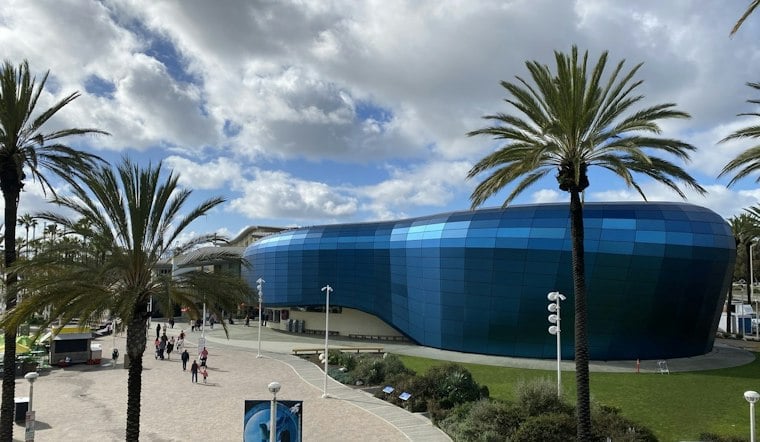
Nearly 500 trafficked marine animals arrived at the Aquarium of the Pacific in Long Beach after wildlife officials seized a box truck packed with more than 2,000 animals, and staff spent the overnight hours scrambling to stabilize creatures that ranged from clownfish to bamboo sharks. Many of the animals showed signs of stress, injuries, parasites and severe weight loss by the time they reached the aquarium's quarantine systems.
The animals arrived at the aquarium on June 19, 2026, according to a statement from the Aquarium of the Pacific, after wildlife authorities confiscated more than 2,000 animals from the truck. Wildlife officials alerted the aquarium that hundreds of tropical marine fish and invertebrates needed immediate placement and care, according to reporting originally published by USA Today and carried by The Sacramento Bee. The rescued animals included clownfish, butterflyfish, rabbitfish, corals, anemones and snails, among species that also included brownbanded bamboo sharks and Banggai cardinalfish.
A Scramble to Prepare Before the Animals Even Arrived
Alyssa Tillman said the aquarium received a call with little information about the species that would need care, and the team immediately began preparing quarantine systems and holding areas before the truckload of animals showed up. Staff unpacked, identified, counted and assessed each animal as it came in, according to the same Sacramento Bee account. Tillman said a significant portion of the animals arrived in poor body condition, and she identified that different species carried different dietary, social and medical needs that had to be sorted out fast.
Quarantine and veterinary teams treated animals that had open wounds, and per the aquarium's own account, experts immediately checked physical condition, water quality and individual needs as each creature moved through triage, as Popular Science reported. Two species drew particular attention because of their conservation status: brownbanded bamboo sharks are listed as near threatened, while Banggai cardinalfish are listed as endangered on the International Union for Conservation of Nature Red List. The Florida Museum's fish species profiles note that the bamboo shark's near-threatened status stems from concern over the impact of human activities across much of its range.
Why So Few of These Animals Can Ever Go Home
Aquarium President and CEO Jeff Flocken said the seizure underscored the broader impact of wildlife trafficking on marine species and ecosystems, noting that the illegal trade in marine species is significant. Flocken said animals caught up in the illegal wildlife trade are highly unlikely to ever return to the wild. Confiscated animals typically cannot go back to nature because their point of origin often cannot be verified, they may have been exposed to disease, or they simply cannot survive in native habitats they were never adapted to.
Tillman said many of the rescued animals ultimately found permanent homes at the Aquarium of the Pacific itself, while others were placed with other accredited aquariums and facilities. The aquarium retained some of the animals long-term and stabilized many others through quarantine and rehabilitation efforts before they moved on. Wildlife trafficking, according to the Bee's reporting, disrupts national and global ecosystems and pushes vulnerable animals further down the path toward extinction.
Part of a Growing Regional Rescue Network
The Aquarium of the Pacific joined the Southern California Wildlife Confiscations Network in 2023, a partnership launched that year between the U.S. Fish and Wildlife Service and animal-care organizations, according to KTLA. The network connects law enforcement agencies with aquariums and zoos so confiscated wildlife can get immediate care, according to Birch Aquarium at Scripps, which itself has rehomed more than 45 giant clams seized by the U.S. Fish and Wildlife Service and has cared for hundreds of confiscated marine animals including corals, clams and seahorses.
Sources differ on just how many animals the Aquarium of the Pacific has helped since joining the network. KTLA reports the aquarium has helped more than 3,300 trafficked animals since 2023, while Popular Science reports the aquarium has taken in more than 3,600 rescued trafficked animals over the past two years. Either way, the pace has been relentless: Popular Science reported that the first eight months of 2026 alone had already seen more than a dozen confiscation cases involving the aquarium, which has received rescued animals from more than 30 confiscation events since September 2024. The aquarium says the animals it has helped over the years have included fish, corals, reptiles and axolotls, and in 2026 it received grant funding for holding-system renovations, upgrades and new construction meant to expand its capacity to take in confiscated animals going forward.
What Counts as Illegal Under Federal Wildlife Law
Cases like this one hinge on international rules governing the trade of at-risk species. The Convention on International Trade in Endangered Species works through a system of permits, and a permit is required to import or export a CITES-listed species, including a live specimen, part or product, according to the U.S. Fish and Wildlife Service. That permitting system is the legal backbone behind seizures like the one that sent nearly 500 animals to Long Beach this year, even as questions remain about exactly where the truckload originated and how many of the rescued creatures ultimately stayed at the aquarium for good.





