

























































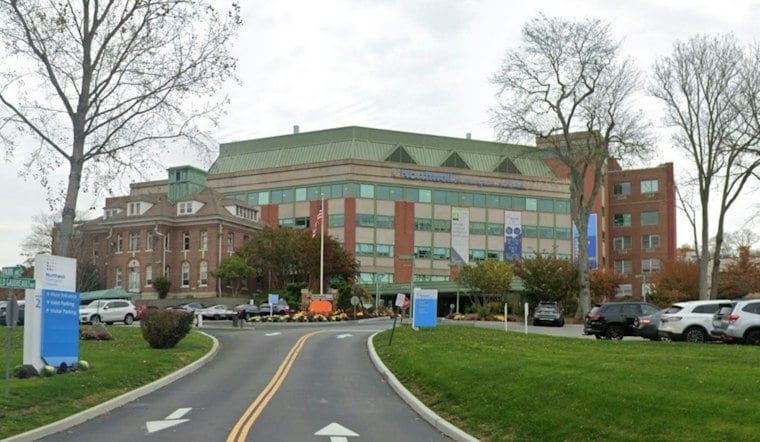
John DeSantis was given less than three months to live without surgery. Instead, the 86-year-old Long Island grandfather is now cancer-free, after a surgeon at Huntington Hospital took on a risky case involving a patient his age.
A Tumor Mistaken for a Stomach Bug
DeSantis's ordeal began in January 2026, when severe pain after meals was initially written off as a viral infection, according to CBS News. Doctors eventually discovered a tumor obstructing his pancreas, bile duct, and digestive tract, and DeSantis underwent two endoscopies and received a stent to relieve the blockage before surgery. Without surgery, attending physicians estimated he had fewer than three months to live, or up to a year if treated with chemotherapy alone, the outlet reported.
Those odds framed an urgent decision: attempt a major operation on an 86-year-old body, or manage a disease that quickly turns fatal once it blocks critical digestive pathways. Dr. Pejman Radkani, who serves as chief of surgical oncology at Huntington Hospital and regional director of surgical oncology for Northwell Health's eastern region, took on the case. The hospital operates a dedicated gastrointestinal oncology program within the Northwell Cancer Institute, per Northwell Health.
The Nine-Hour Operation
Radkani performed a robotic Whipple procedure, a nine-hour operation that removed the entire tumor and achieved negative pathology margins, meaning no cancer cells were found at the outer edges of the removed tissue, CBS News reported. That result indicated no remaining localized cancer, a milestone that made DeSantis's case a rare success story in a disease notorious for closing off options once it advances.
Robotic-assisted Whipple procedures give surgeons 3D visualization and greater precision through smaller incisions, which reduces operative risks and speeds recovery compared with traditional open abdominal surgery, according to Virtua Health. Open Whipple operations have historically carried high morbidity risks in older patients.
Why So Few Patients Get This Chance
DeSantis's path to the operating room is uncommon. Nationally, only 10% to 15% of pancreatic cancer patients are diagnosed early enough in their disease progression to even be eligible for surgical resection, the CBS News report noted, since early-stage pancreatic cancer frequently presents with subtle or non-specific symptoms that delay diagnosis. The disease's five-year relative survival rate overall sits at just 13%, though localized cases caught before spreading have a 44% five-year survival rate, according to statistics released by the American Cancer Society in January 2026.
The scale of the disease nationally is stark: an estimated 67,530 Americans will be diagnosed with pancreatic cancer in 2026, and 52,740 will die from it, making it the third leading cause of cancer-related mortality in the country, per the same statistics. Long-term monitoring remains standard practice in pancreatic oncology given the disease's high historical recurrence rates, even for patients who reach negative-margin status like DeSantis.
Long Island's Role in the Fight
Long Island has become something of a hub in the broader push against pancreatic cancer. The Woodbury-based Lustgarten Foundation, described as the world's largest private funder of pancreatic cancer research, committed $22.8 million in new funding for fiscal year 2026 across 18 projects targeting early detection, drug development, and personalized medicine. The foundation has invested more than $330 million in research grants since its founding.
That local research infrastructure will be on display next month when CBS News New York reporter John Dias hosts the Lustgarten Foundation's annual Pancreatic Cancer Research Walk on October 4 at Jones Beach State Park, one of Long Island's primary grassroots fundraising events for cancer research. The event follows other Long Island cancer research advances Hoodline has covered this year, including lab-grown tumor organoids designed to customize treatment plans for pancreatic cancer patients.





