

























































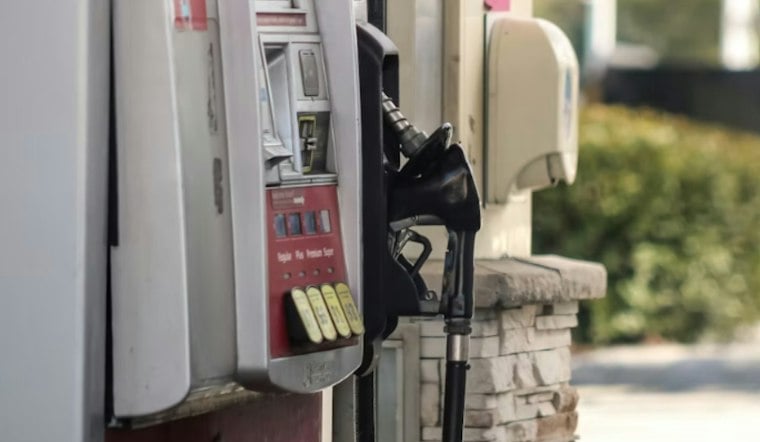
Louisiana's average regular-gasoline price has reached about $4 per gallon, while diesel is averaging about $6, according to AAA. The increases stand out because they have come during a period when fuel prices often ease after the summer driving season.
Fall typically brings less travel and lower gasoline demand, while refineries transition from more expensive summer-grade fuel to a cheaper winter blend. This year, however, prices have been rising instead, according to WVUE-TV. Louisiana's average remains about $0.50 below the national figure, even as prices in the state approach $4 per gallon.
New Orleans prices are already above $4 per gallon. The increase is adding pressure for residents balancing fuel with other household expenses, including the baby-formula costs cited by 26-year-old New Orleans resident Jaron Cayou in the same account.
Wholesale context and alternatives for New Orleans drivers
The U.S. Energy Information Administration listed the U.S. Gulf Coast conventional gasoline spot price at $3.834 per gallon on September 15, 2026, up from $3.713 the previous day. That wholesale benchmark helps explain the regional pressure behind retail prices, while Louisiana's average still sits about $0.50 below the national retail figure cited above; the two figures are different measures and should not be treated as a direct one-to-one comparison, according to the U.S. Energy Information Administration. For New Orleans residents looking for alternatives to driving, the New Orleans Regional Transit Authority says fall 2026 schedule adjustments began September 20 on select bus and streetcar lines. The changes are intended to improve service reliability and make travel more predictable for riders, according to the New Orleans Regional Transit Authority.
Local Businesses Feel the Pinch Too
The impact also extends to businesses that depend on vehicles. Lindsey Martin, owner of live-event production company Martin Management, said filling his SUV now costs about $100. He told the same account that the higher expense has made fuel consumption and equipment transportation more consequential parts of planning for each job.
For Martin and others whose work depends on the road, the math is getting harder every week. What used to be a routine fill-up has become a line item worth watching, especially with no clear end in sight to the elevated prices.
What is pushing prices higher
AAA spokesperson Don Redman attributed the unusual price movement to overseas conflict, including the war between the United States and Iran and the Russia-Ukraine war that began with Russia's 2022 invasion of Ukraine. He said global energy supply pressures can outweigh the usual seasonal pattern and that prices are likely to remain elevated while the conflicts continue. Redman also said gasoline prices can change with the day's news, including any development toward peace.
The current Louisiana average remains below the state's previous record of $4.55 per gallon, set in 2022. AAA is advising members to budget for $4-per-gallon gasoline for at least the next month as a short-term planning assumption.
The local price increase reflects a wider supply squeeze
The Louisiana increase is part of a broader national pattern. Average U.S. gasoline prices have remained above $4 per gallon since mid-July, according to AAA data cited by oilprice.com, while the Energy Department expects elevated fuel prices to persist through the end of 2026. The federal government has also moved to expand access to cheaper winter-grade gasoline: the EPA authorized sales of gasoline blended with 10% ethanol beginning September 1, weeks ahead of the normal mid-September transition, according to Quartz.
The waiver removed summertime low-volatility gasoline requirements intended to reduce smog, although state fuel rules could still affect how quickly additional supply reaches individual markets. The U.S. Energy Information Administration says the main seasonal difference in gasoline composition is vapor pressure. Any relief for Louisiana drivers will depend on how those supply changes interact with global developments and local market conditions.





