

























































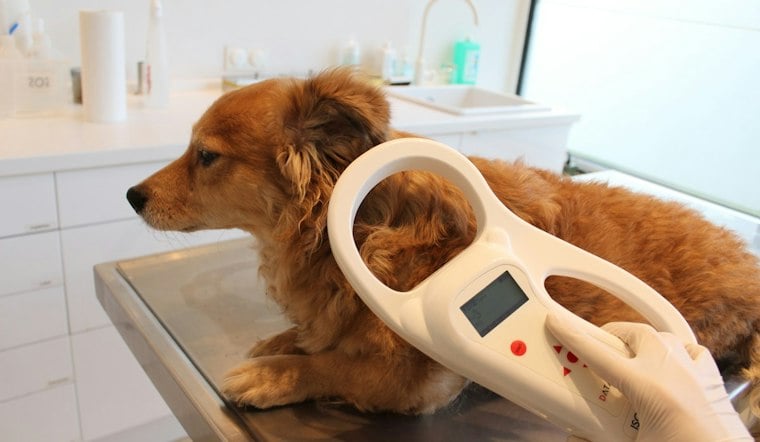
A network of small weatherproof boxes holding pet microchip scanners is spreading across Louisville front yards, porches, and business fronts, giving neighbors a free, do-it-yourself way to identify lost dogs and cats before they ever end up at the shelter. Roughly 15 stations are already up, and Louisville Metro Council members are moving to add 40 more across the city.
Among the current hosts is Brittany Hutto, who keeps a station in her South Louisville yard. As reported by WLKY, Hutto said many dogs get loose in her area, and she wanted to help however she could. “Any chance that I can get to help them, I'm definitely going to,” Hutto said, according to the station's report. Each station includes a handheld scanner that displays a code when it detects a microchip, and finders can then enter that code into a website listed on the box to try to track down the owner.
A Citizen Network Born From One Louisville Yard
The idea traces back to a single front yard. Founder Jinn Bug launched the Louisville & Southern Indiana Microchip Scanner Network in May 2025 after capturing 19 stray dogs at her neighborhood intersection in a single month, according to WDRB. Bug installed a handheld scanner inside a weatherproof box and made it accessible around the clock, creating a self-service model neighbors could use any time they found a stray. Tara Bassett, an animal welfare advocate with Dogs on the Run who has worked with the network, described the mission simply: “People are coming together as a community to help animals get home and keep them out of our already bursting shelters,” per WLKY.
The network's stated goal, per WLKY, is helping animals get home while keeping them out of shelters altogether. The southern Indiana arm of the effort has already brought stations to New Albany, Clarksville, and Jeffersonville, with boxes now sitting outside homes and businesses on streets like Millwood Place, Vincennes Street, and Lincoln Street. On the Louisville side, stations have popped up on Rosemont Boulevard, Barret Avenue, Douglass Boulevard, and Grandview Avenue, among other addresses, according to the same report.
Metro Council Steps In With Funding and Scouts
Councilwoman Crystal Bast has outlined a plan for 40 new stations, according to a Facebook post from the initiative. The announcement outlines the plan. Bast said there is a huge need for the stations in Louisville, per WLKY, and the city plans to use neighborhood development funds to cover installation, with each unit costing about $75. People interested in hosting a station should contact their Metro Council member, according to the network's guidance relayed by WLKY.
Some stations are evolving beyond simple scanning points. At Trellis Brewing in Smoketown, a station unveiled this month doubles as a neighborhood pet pantry, offering free dog food, treats, leashes, and collars alongside the scanner. Created by Pawsitively Proactive founder Traci Hall, the Smoketown hub lets community members give or take pet supplies 24/7, according to WDRB.
Why the City Needed a Workaround
Louisville Metro Animal Services grapples with chronic overcrowding at its 33,000-square-foot Harshaw Family Foundation Animal Shelter on Newburg Road, which holds just 150 dog kennels and 83 cat kennels. An influx of 41 animals from a single home left LMAS at maximum capacity. LMAS also had more than 1,100 animals in its care. Hoodline also cited a Facebook statistics post about LMAS.
City rules now give owners more reason to chip their pets in the first place. In October 2025, the Louisville Metro Council passed an amendment to Chapter 91 of the city's Code of Ordinances making microchipping mandatory for all dogs and cats over three months old in Jefferson County, sponsored by Councilmembers Andrew Owen and Donna Purvis, according to WDRB. Owners who microchip and spay or neuter their pets can qualify for a lifetime pet license, per WHAS11. To help owners comply, LMAS holds monthly free and low-cost drive-thru microchip clinics across Jefferson County, and the department has urged proper microchipping, WDRB reported.
What Finders Actually Have to Do
The scanners themselves only go so far. Because pet microchips rely on passive RFID technology, a scanner displays a 9-, 10-, or 15-digit code rather than any owner information, according to Pawbase. Finders can then enter that number into a linked lookup resource, since the chips themselves store no GPS data or personal information.
Louisville's approach remains a patchwork of yards, breweries, and porches, run by neighbors and council staff trying to get lost pets home before they ever see the inside of a shelter kennel.





