

























































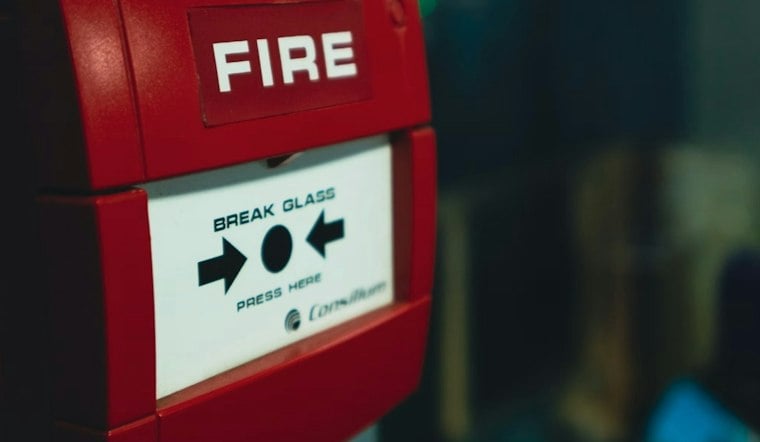
Maryland's 2026 mandate adds fire-safety requirements for short-term rentals, including mountain cabins in western Maryland and beach houses on the Eastern Shore, according to DC News Now. The rules call for smoke alarms, fire extinguishers, carbon-monoxide alarms, posted evacuation routes and emergency phone numbers in short-term rental units across the state.
The requirements apply to vacation properties used by weekend visitors as well as other short-term rentals, including cabins in western Maryland and rentals along the Eastern Shore. Hagerstown Assistant Fire Chief Adam Hopkins told DC News Now that evacuation information should be posted in these units much as it is in a hotel, helping guests unfamiliar with the property identify how to leave during an emergency.
What Landlords Must Now Provide
The requirements cover both the presence and operation of the equipment. Hopkins said smoke alarms must be functional and carbon-monoxide detectors must work, according to DC News Now. Those provisions overlap with existing state law: The Maryland People's Law Library says Maryland already requires an automatic smoke alarm in each sleeping area of a residential dwelling, with landlords responsible for proper installation and for repairing or replacing a defective alarm after receiving written notice from a tenant.
Under longstanding state rules, someone convicted of knowingly violating smoke-alarm laws can face a fine of up to $1,000, up to 10 days in jail, or both, per the Maryland People's Law Library. Separately, newer multifamily buildings, dormitories, hotels and rooming houses for which the initial building permit was issued after July 1, 1990 are generally required to have automatic sprinkler systems installed, the same source notes — though a Maryland Department of Labor page indicates Baltimore City is exempt from that particular law, based on the limited snippet available.
Inspections Coming in 2028, Fees Possible for Tenants
Counties must begin inspecting rental properties in October 2028 to verify compliance, according to DC News Now. Counties may also impose a fee on tenants to help landlords recover the costs of meeting the requirements, the outlet reported.
The National Fire Sprinkler Association has weighed in on the broader legislative picture, writing that Maryland Senate Bill 0624 establishes requirements for smoke alarms, carbon-monoxide detection, fire extinguishers, evacuation information and inspection protocols. The organization added that the bill recognizes a role for certified inspectors and nationally recognized fire safety organizations in verifying compliance, according to its statement.
Why the Stakes Are High
The push for stricter rules comes against a grim backdrop. Maryland recorded 73 fire-related deaths across 67 fatal fires statewide in 2024, CBS Baltimore reported, according to CBS Baltimore. The firm reported that 79% of those fatalities occurred in residential properties, and that of the 67 fatal fires, only 20 had confirmed working smoke alarms — nine had no smoke alarms at all, and six had alarms that weren't functioning.
What the broader fire-safety data shows
The Maryland Office of the State Fire Marshal's 2024 Annual Fire Fatality Report says overall fire deaths declined from the previous year but that continued prevention efforts remain necessary. The report provides a 2024 snapshot; the information cited here does not establish how often fatal residential fires involved missing or nonworking smoke alarms across the full previous five years. Nationally, the National Fire Protection Association says most short-term rentals generally have smoke alarms in each sleeping room and immediately outside each sleeping room, while many lack broader fire-alarm or sprinkler requirements. Maryland's new rules therefore address more than the basic alarm placement commonly found in short-term rentals.
Maryland courts have also made clear that landlords can carry legal exposure when fire safety fails. SG Legal Group notes that landlords remain responsible for conditions they control, and that a Maryland appellate court has held landlords liable when fire-code violations contributed to a tenant's injuries during an escape — even in a case where an arsonist started the fire.
Other states have taken varying approaches to short-term-rental fire safety. West Virginia law requires an operational smoke detector in the immediate vicinity of each sleeping area within one- and two-family dwellings, according to the West Virginia Legislature.



