

























































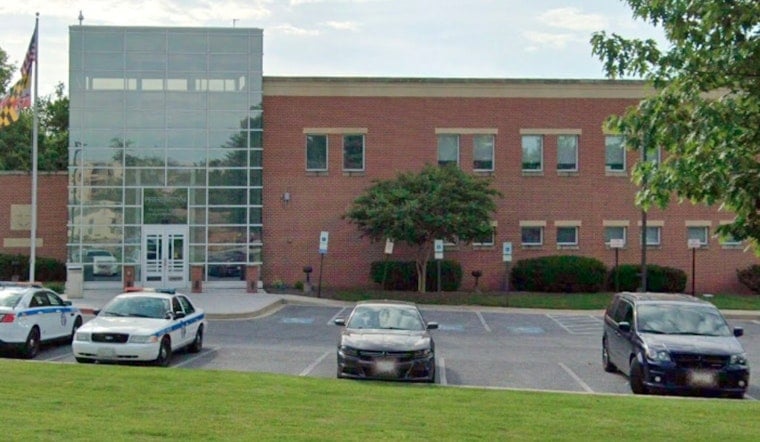
Maryland is putting $50 million behind a new effort to help teachers, police officers, firefighters, EMTs, paramedics and 911 dispatchers buy their first homes, offering a loan that requires no monthly payments for 30 years. Governor Wes Moore unveiled the First Homes for First Responders and Teachers initiative at Baltimore County Police Precinct 4, with applications opening September 4. The program pairs a discounted mortgage rate with a second loan designed to cover the upfront costs that often keep public servants renting instead of buying.
According to WMAR 2 News, the program provides a 0% interest loan equal to 5% of a buyer's mortgage amount, which can be used to cover down payment and closing costs. Moore said that on a $300,000 mortgage, that translates to roughly $15,000 in assistance. Buyers also get a mortgage interest rate half a percentage point lower than the existing Maryland Mortgage Program's First Time Advantage product, according to the same report.
The secondary loan carries a 30-year deferred repayment structure, meaning no monthly payments are required as long as the buyer keeps the home as their primary residence, according to the Maryland Department of Housing and Community Development. Moore, who conducted meetings with police officers, firefighters and other first responders as part of a statewide “Delivering for Maryland” tour, said homeownership creates pathways to long-term wealth for buyers and their families, and that the initiative addresses both monthly mortgage costs and the upfront cash needed to purchase a home.
Who Qualifies and How the Money Can Be Used
Eligibility includes Maryland public school teachers, certified law enforcement officers, career or volunteer firefighters, EMTs, paramedics and 911 dispatchers, as well as people moving to Maryland with a signed, non-contingent employment offer, eligible teachers at private or vocational schools, school counselors, rescue squad members and other qualifying categories. Applicants must verify their employment through standard documentation, per the housing department's guidelines. They also need to complete an approved homebuyer education course, meet applicable credit-score requirements, and stay within household income and purchase-price limits.
The state's rules allow the 5% down payment loan to be layered with outside housing grants from local governments, employers or home builders, though it cannot be combined with other Maryland Mortgage Program products or the state's Partner Match program, the housing department notes. That stacking flexibility matters in counties like Anne Arundel, where Arundel Community Development Services offers its own Mortgage Assistance Program supplying up to $50,000 in deferred loans for first-time buyers earning at or below the area median income.
Why Affordability Has Become a Recruitment Problem
The push comes as Maryland's statewide median home price climbed 3.2% year-over-year to roughly $454,000 in July, according to a market report from the Chesapeake Real Estate Company, which also cited a state comptroller finding that only about half of Maryland residents earn enough to afford a median-priced home. A separate Mid-Atlantic housing report from Bright MLS reported regional home prices and the 35th-percentile listing price.
That affordability squeeze has real stakes for public-sector staffing. The new housing initiative extends the state's workforce strategy into homeownership, treating housing costs as another lever in retaining teachers and first responders.
How It Fits Into the State's Broader Housing Push
The Maryland Mortgage Program helps Maryland homebuyers through loans and assistance. The new First Homes initiative builds on that base while targeting a specific slice of the workforce the state says it wants to keep.
It also continues a pattern for the Moore administration, which has repeatedly directed housing investments in roughly $50 million blocks. In July 2025, the governor allocated $50 million toward the Baltimore Vacant Reinvestment Initiative, aimed at converting abandoned properties into homeownership opportunities. Whether this newest $50 million allocation for teachers and first responders will stretch to serve a comparable number of households, and how quickly the first-mortgage funds will be exhausted once applications open, remains to be seen as the program gets underway.




