

























































A traveler infected with measles passed through Boulder, Westminster and Lafayette earlier this month, potentially exposing people at two restaurants, a hotel and a hospital emergency department, state health officials say. The visitor's stops included a busy stretch of Pearl Street, a downtown hotel hosting a gem and mineral show, and an emergency room in Lafayette, all within a roughly four-day window in September.
State officials announced the possible exposures on Tuesday, saying the infected individual was an international traveler with unknown vaccination status who had recently traveled through the state, according to The Denver Post. State officials said the person spent time in Boulder, Westminster and Lafayette, and the newspaper reported that health officials are urging anyone who visited the listed locations during the exposure windows to watch for symptoms.
Where and When Exposure May Have Occurred
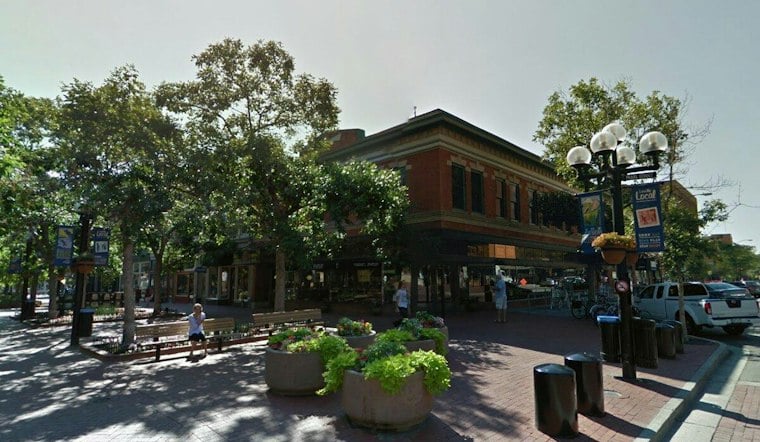
The exposure sites and time windows, as reported by the Post, include Avanti Food and Beverage at 1401 Pearl St. in Boulder, on both the first floor and rooftop, between 7 p.m. and 11:30 p.m. on September 8. Gelato Boy West End at 1021 Pearl Street in Boulder was listed as an exposure site the same night, between 9:30 p.m. and 11:45 p.m., and the Pearl Street Mall itself, at 1303 Pearl Street, was flagged for the stretch from 9:45 p.m. on September 8 into 12:30 a.m. the next day.
The Denver Gem and Mineral Show at the Westin hotel, 10600 Westminster Blvd. in Westminster, was an exposure site between noon and 6 p.m. on September 9 and again from 10 a.m. to 7 p.m. the following day, per the Post's reporting. The Good Samaritan Hospital emergency department at 200 Exempla Circle in Lafayette rounded out the list, with exposure possible between 7:30 p.m. and 8:30 p.m. on September 11. The newspaper noted that CDPHE has published an updated list of measles exposure locations across the state.
Symptoms Can Take Weeks to Appear
People exposed at these locations may develop symptoms through October 2, according to the Post's account of the state's guidance. Measles symptoms typically begin with fever, cough, runny nose and red eyes, followed several days later by a rash that usually starts on the face and spreads across the body, the newspaper reported.
Anyone who develops symptoms is urged to call their health care provider before showing up in person, and to report symptoms to their local public health agency or to the state public health department at 720-653-3369, per the Post. Beyond that hotline, CDPHE guidance elsewhere notes that people exposed to measles can still receive an MMR vaccine within 72 hours of exposure, or immune globulin within six days, to help prevent or lessen the severity of illness — the latter option specifically recommended for infants under six months, pregnant people and those who are severely immunocompromised, according to CDPHE.
Why Health Warnings Stretch Hours Past a Visit
The lingering exposure windows aren't arbitrary. The CDC's disease transmission guidance states that the measles virus can remain airborne and infectious in enclosed spaces or on surfaces for up to two hours after an infected person has left the area, and the agency describes measles as one of the most contagious known diseases, capable of infecting up to 90% of non-immune people who come into close contact with a case.
State regulations also carry consequences for those without documented immunity: individuals exposed to a confirmed case must self-quarantine at home and stay out of school, childcare and work settings for up to 21 days, while confirmed cases themselves must isolate until at least four days after the rash appears, per CDPHE's communicable disease manual.
Colorado's Case Count Climbs Past Last Year's Pace
This latest case brings Colorado's 2026 total to 25 confirmed measles cases, according to the Post, down from the 31 cases the state had confirmed at the same point in 2025. Of this year's cases, 22 involved people who had not been vaccinated, and 19 were children and teens younger than 18, the newspaper reported.
The state's vulnerability is compounded by lagging vaccination rates. CDC data reported this month showed only 87.7% of Colorado kindergartners were up to date on their MMR vaccine during the 2025–2026 school year, ranking the state sixth-lowest nationally against a 92.4% national average, according to KWGN Denver. Public health experts say at least 95% community coverage is needed to maintain herd immunity and stop measles from spreading.
Part of a Bigger National Surge
Colorado's cluster is unfolding against a national backdrop of resurgent measles. As of September 11, the CDC had recorded nearly 3,300 confirmed measles cases across the country in 2026, already surpassing the 2,289 cases reported in all of 2025 and marking the highest U.S. caseload in more than three decades, per CIDRAP. Measles was declared eliminated in the U.S. in 2000, and the country has experienced multistate outbreaks.
Front Range communities have seen this pattern before. In February, health officials confirmed a measles case in an unvaccinated Broomfield child with no travel history, exposing students at Broomfield High School and restaurants in Lafayette and Westminster, according to 9News — a case notable because the lack of travel history suggested community transmission may already have been occurring undetected. In July, an unvaccinated Larimer County teenager infected during international travel became Colorado's 24th case of the year, exposing emergency room patients at Longmont United Hospital and Children's Hospital Colorado in Aurora.
An earlier case tied to Denver International Airport showed how far a single traveler can spread the virus: a peer-reviewed study found that one infected traveler passing through the airport in May 2025 caused 17 secondary and tertiary cases across multiple states, requiring health teams to trace nearly 1,400 contacts in Colorado. The broader cost of low vaccination coverage is significant, too — a Children's Hospital Colorado study published in March found vaccine-preventable diseases led to more than $4.4 billion in hospital and emergency department charges statewide in 2024, encompassing 136,000 adult and 27,000 pediatric hospital visits, according to Immunize Colorado. That same report estimated one in three young Colorado children is missing recommended routine vaccinations.



