

























































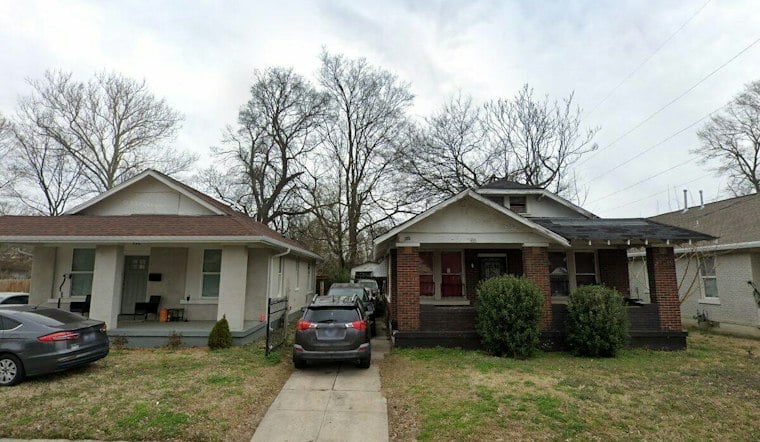
A century-old house on the 900 block of Faxon Avenue that neighbors say had become a magnet for illegal dumping is now nothing but an empty lot, one of roughly 100 vacant, blighted properties the City of Memphis has torn down in just 60 days. City leaders say the demolition blitz, dubbed the 100-Demo campaign, is far from finished.
According to Action News 5, the city launched the campaign in August with a goal of reaching 100 demolitions by the end of September, and officials say Memphis has now demolished nearly 160 homes since the start of the year. The city has also demolished a Whitehaven home on Sumners Wells and a Fox Meadows home on Cordell Cove as part of the same push, the station reports.
A separate city accounting, posted on the municipal blight-removal site, states that crews have demolished 86 severely deteriorated and unsafe homes since August. The city has not clarified whether that figure and the nearly 160 homes cited since the start of 2026 share the same reporting period, but per the same city page, officials say removing severely deteriorated properties helps create safer streets, safer paths for children and new opportunities for neighborhoods to move forward.
A Dumping Ground Finally Cleared
The Faxon Avenue property had sat vacant since 2021, when the previous owner died and her son inherited the home, the station's earlier report notes. The house didn't appear on the city's radar until October 2023, and inspectors recommended it for condemnation in July 2025 before the Impact Team began investigating the property in earnest, condemning it just three days later on August 18.
By the time crews arrived, the century-old structure was in disrepair with trash scattered throughout, and neighbors had grown frustrated watching it sit untouched. The city says it had referred the Faxon Avenue property through the state's Neighborhood Preservation Act, which is meant to give receivers or other responsible parties a chance to address nuisance properties before demolition — but the potential receiver arrangement fell through, and the city proceeded with tearing the house down instead.
Neighbors had also raised concerns about a tree on the property that was hollow at the root. The land itself remains privately owned, and the now-empty lot will join the more than 15,000 vacant lots the city already maintains, mowing each one four times a year.
New Legal Team Aims to Speed Up Cases
Melanie Neal, director of the city's Community Enhancement Division, which focuses on blight remediation and code enforcement, has said responsible property ownership remains the best long-term solution to blight. Uncontested demolition orders can still take 90 to 150 days to complete, and the city says it must clear numerous legal requirements before a structure can come down.
To move faster, the city has hired a team of litigators led by Anti-Blight Litigation Manager Lani Lester, whose team works across environmental court, chancery court and in-house administrative proceedings with the goal of speeding up the legal process for demolitions. City leaders have also warned neglectful homeowners that they need to repair dangerous vacant properties before the city intervenes.
Memphis bills property owners for both the demolition and the property's subsequent upkeep, but negligent owners sometimes fail to pay those costs, leaving taxpayers to cover the difference. The city says it addressed an average of 551 blighted properties per month in 2026, up from 422 per month in 2025.
Research Suggests Demolitions Can Help Neighbors, Too
The push to tear down neglected homes isn't unique to Memphis. Research from Iowa State University found that in distressed Cleveland neighborhoods, homes located near demolished properties were more likely to improve and less likely to deteriorate over time, according to Iowa State University researcher Daniel Kuhlmann. Kuhlmann said demolition programs generally serve two goals: removing dangerous nuisance properties and helping stabilize declining neighborhoods.
Kuhlmann also cautioned that residents tend to support demolitions in specific instances but want to see larger investments beyond just tearing houses down. That tension mirrors what Memphis officials describe as their broader strategy — pairing demolitions with resources meant to keep other homeowners from reaching the same breaking point.
Help Available Before It Reaches Demolition
The city says it offers multiple programs for homeowners who are struggling financially with repairs before their properties end up condemned. The 901Help program is offered through LISC Memphis and United Housing Inc., while Habitat for Humanity of Greater Memphis runs an Aging in Place program for residents who need help maintaining their homes.
Residents living next to a blighted property can call 311 to report it to the city. Officials say that early reporting, paired with the new legal team's push to speed up condemnation cases, is central to keeping the 100-Demo campaign's momentum going well past its September deadline.



