

























































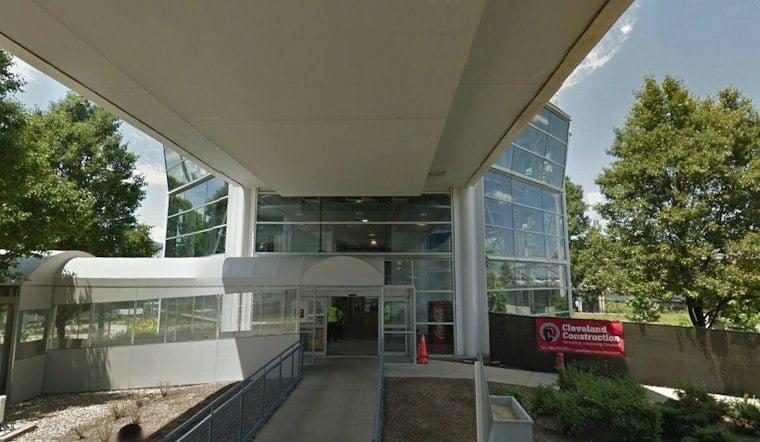
Mice have been spotted wandering freely among the seats in Concourse C's boarding areas at Cleveland Hopkins International Airport, with one video showing at least five of the rodents scurrying around a single gate. A Hopkins spokesperson has confirmed the airport is aware of the problem, as footage of the infestation circulated widely on social media this month.
The videos and the airport's response were detailed by Cleveland Scene, which reported that airport staff assessed Concourse C after concerns were raised by partners and staff. In response, airport teams inspected food-service areas alongside concession partners, sealed visible gaps throughout the concourse, and installed new door sweeps meant to keep rodents from slipping inside.
Crews also placed additional traps in the concourse, and the outlet's report indicates mouse activity has decreased significantly over the past several weeks. Airport staff now monitor Concourse C daily and say they will continue watching the area and take additional action as needed.
A Rough Week for Hopkins' Reputation
The rodent sightings surfaced just as Cleveland Hopkins was already absorbing a public relations blow. J.D. Power published its North America Airport Satisfaction Study this month, and according to cleveland.com, the airport ranked last among similarly sized U.S. airports in 2026, after finishing second from the bottom in 2025, when Ottawa ranked worse.
Survey respondents graded Hopkins poorly across nearly every category. The report notes that Cleveland's satisfaction score fell to 597 in 2026, down from 611 a year earlier, with declines in every measured category except ease of travel through the airport.
A $1.6 Billion Fix Still Years Away
Cleveland Hopkins is in the early stages of what has been described as a roughly $1.6 billion redevelopment, per the same cleveland.com report, and the project is expected to bring a new terminal, new parking and expanded TSA screening areas. But that new terminal is not expected to open until 2032, meaning relief for travelers is still years off. A separate airport announcement described the landside portion of the modernization program as an approximately $1.6 billion investment, though a search-result snippet tied to that same announcement referenced an estimated $1.1 billion project — a discrepancy that has not been resolved in the available material.
The scale of the undertaking reflects years of strain on aging facilities. Passenger volume at Hopkins has exceeded 10 million travelers annually in recent years, cleveland.com reported, while the terminal was not designed for the current number of people and security lines have been an issue. Airlines have already agreed to fund about $476 million of the improvements, including a new parking lot and garage, and Airport Director Bryant Francis has said the concourses also need significant investment.
The J.D. Power findings suggest Hopkins is far from alone in facing this kind of reckoning, but it is also far from ahead of the curve. The highest-ranked airports in the survey, according to cleveland.com's report, have either recently completed or are nearing completion of multiyear capital projects costing more than $1 billion, while older, aging airports tend to fare poorly by comparison.
Cleveland Isn't the Only Airport With Rodents
Rodent problems at major airports aren't unique to Cleveland. At Boston Logan International Airport, investigators found that complaints piled up over time: as of 2022 the airport had logged 76 rodent-related complaints over three years, and WHDH's 7 Investigates later found 91 more complaints had been filed since. Health inspection reports at Logan documented mice droppings at a bar, in a prep area, at a serving line, behind a stove and next to a fridge, the station reported.
Nationally, 7 Investigates found that nine airports have failed health inspections because of rodents since 2023. Massport, which operates Logan, told the station that an exterminator is stationed at the airport daily and remains constantly on call. There is no evidence in available reporting that Cleveland Hopkins has faced a comparable health-inspection failure tied to its Concourse C mouse activity.




