

























































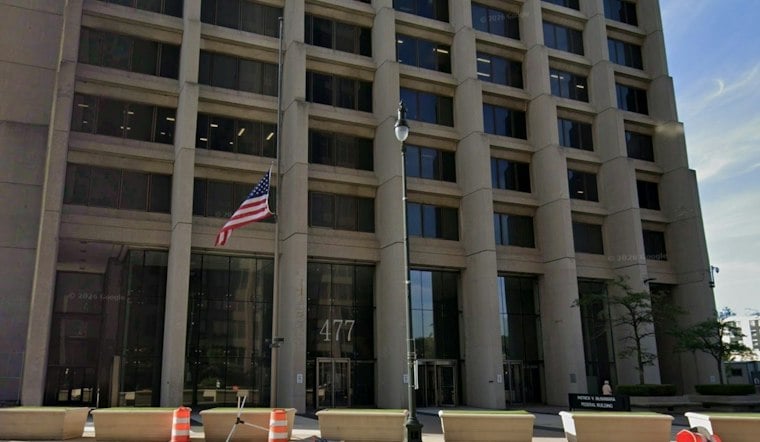
The national asylum denial rate was 94.1% in June 2026.
That national rejection rate has climbed sharply and swiftly, according to MLive, up from 68% during the previous fiscal year and just 48% in 2024. In Michigan, judges granted asylum to 218 people last year, about 25% of cases — meaning this year's total of 43 grants represents a steep drop in both raw numbers and success rate for people seeking protection in the Detroit Immigration Court.
The Detroit court isn't alone in its harsh numbers. An Ohio immigration judge denied 138 asylum cases this year, while a Kansas City immigration judge denied 168, according to the same report. Ruby Robinson described the current denial rates as unfathomable, and said asylum has never been easy for people to be successful.
New Judges, Same Backlog
Immigration courts are undergoing a broader staffing overhaul across the country's system, which now has more than 700 judges nationally. The Trump administration added 192 new immigration judges and 53 temporary immigration judges this year, according to TRAC Immigration, while a United Nations report found the administration had fired at least 135 immigration judges since 2025 — a group that reportedly included about half who had granted asylum at higher-than-national-average rates.
Samuel Filcik said new judges could help reduce years-long waits for asylum decisions, though he also said new judges usually have zero immigration-law experience. The U.S. Department of Justice reported that immigration courts completed more than 1 million cases from January 2025 through May 2026, and Sirce Owen said reducing the immigration court backlog is one of the agency's highest priorities.
A New Rule Raises the Stakes
A rule that took effect in July 2026 allows immigration officials to send some asylum seekers directly to court without a prior interview, and experts said the change could increase deportation risk for applicants. Detained asylum cases are fast-tracked, and asylum seekers with no criminal records are increasingly being arrested despite having applications still pending, according to the report.
Under federal law, an asylum applicant must show either past persecution or a well-founded fear of future persecution on a protected ground, according to the American Immigration Council. The organization notes that people seeking asylum must navigate a difficult and complex process that can involve multiple government agencies, and applicants in immigration court are not provided appointed counsel. U.S. law allows anyone on U.S. soil to ask for asylum, and the process can eventually create a path to citizenship.
One Family's Case in Ypsilanti
Mamady Camara, a Guinean asylum seeker, traveled to Mexico in 2023 to seek asylum in the United States and later filed his application after being released into the country. He joined family in Ypsilanti and built a life there that included school, English study and work as a caretaker. “I like taking care of people,” he said, according to the same MLive report.
U.S. Immigration and Customs Enforcement arrested Camara in January 2026, and he is now held at the North Lake Processing Center, a 1,800-bed detention facility in northern Michigan. His asylum claim was rejected, and he has appealed the decision from detention, bringing his case to the Board of Immigration Appeals. His attorney, Stephanie Blumenau, said Camara's prior case might once have been enough to establish fear of government persecution. The appeal could take six to nine months, and if the board rejects it, the case could move to a federal appeals court.
The National Numbers Behind the Michigan Drop
TRAC reported that immigration judges granted asylum to 771 individuals in June 2026.
The Trump administration is pursuing mass deportations alongside efforts to reduce immigration-court backlogs.




