

























































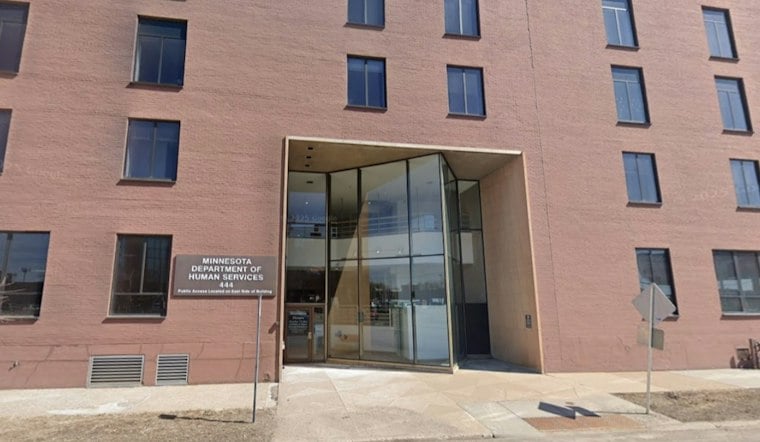
Minnesota's assisted living facilities are supposed to get a state safety inspection at least once every two years, but more than a third of those checks ran at least 90 days late during the first half of 2025, according to a new evaluation released Wednesday. The report also found that the state's public rating tool for these facilities, built to help families choose safe care for aging or vulnerable relatives, leaves out serious abuse findings entirely.
The Office of the Legislative Auditor presented its findings on assisted living facility licensing to the Legislative Audit Commission, chaired by Sen. Ann Rest, on Wednesday. Auditors concluded that oversight of the industry is fragmented and that inspections are often conducted months later than the law requires, according to the Office of the Legislative Auditor. Minnesota Statutes Chapter 144G, the law that created the state's licensing framework, only took effect in August 2021, after lawmakers approved it in 2019 — meaning the current system is still relatively new even as it strains to keep up with a fast-growing industry.
As detailed by the Minnesota Star Tribune, Minnesota was the last state in the nation to require formal licensing for assisted living, a shift driven by what officials described as an alarming rate of abuse and maltreatment under the prior system of home care licenses and housing-with-services registrations. Since licensing began in 2021, 545 new assisted living facilities have opened across the state, bringing Minnesota's total to 2,533 licensed sites, per the same report. About half of those facilities serve five or fewer residents, and most residents at those smaller settings have their care paid for through Medicaid.
Report Card Leaves Out Abuse Findings
The Minnesota Department of Human Services launched its Assisted Living Report Card in 2024, calling it the first tool of its kind in the nation, and by February 2025 the rating system covered 1,095 settings — about 86% of the state's licensed assisted living capacity, according to the Minnesota Department of Human Services. The five-star rating system, developed with researchers at the University of Minnesota School of Public Health, scores facilities across resident quality of life, family satisfaction, resident health, safety and staffing.
But the audit found that the report card fails to factor in serious maltreatment findings or licensing sanctions, meaning a facility's public star rating may not reflect known safety problems. The Star Tribune's report cites one facility that was rated without incorporating its substantiated maltreatment allegations, even though that facility had multiple substantiated findings that led to several hospitalizations and a death. David Kirchner said the report card is misleading, according to the Star Tribune, adding that the latest evaluation focused on licensing rather than a full assessment of current facility conditions.
John Connolly said the report card can incorporate maltreatment reports, but doing so will require time, development and resources, per the same Star Tribune account. DHS oversees Medicaid-funded care at these facilities, while the Minnesota Department of Health licenses assisted living sites, inspects them and investigates complaints — a split that auditors say has produced information-sharing gaps between the two agencies.
Fraud Concerns Tied to Fragmented Oversight
Fraud Concerns Tied to Fragmented Oversight The Star Tribune reports that one assisted living facility was paid for 18 residents despite having a licensed capacity of six. DHS lacks resident and staff counts for some facilities, the Star Tribune reports, and health inspectors are supposed to help verify that residents are actually receiving the Medicaid-funded services they're billed for.
Auditors also flagged that health and human services agencies share information that isn't always clear between them, a gap that has drawn attention since the Office of the Legislative Auditor first raised red flags about protection of vulnerable adults back in 2018. Elder Voice Advocates, a group that has raised concerns about maltreatment for years, pressed for the legislative review that produced this week's findings, according to the Star Tribune.
Smaller Facilities Face Distinct Risks
Small Facilities Face Distinct Risks Roughly half of Minnesota's 2,533 licensed assisted living facilities serve five or fewer residents, and about 97% of them are located in the Minnesota metropolitan area. These smaller providers tend to serve residents in their late 50s and 60s and may care for people experiencing significant mental health or substance use challenges, according to the Star Tribune's reporting.
A state workgroup is set to begin in fall 2026 to examine licensing requirements specifically for small assisted living facilities. The Minnesota Department of Health plans to propose broader regulatory changes next year, and the department and DHS say they are working more closely to identify problems and bad actors and address them quickly, per the Star Tribune.
Calls for Legislative Action
Kristine Sundberg said the next governor must lead a revamp of long-term-care oversight, according to the Star Tribune. Wendy Underwood said reports of inadequate care, unsafe living conditions or signs of fraud are unacceptable. Sen. Ann Rest said legislators need to clarify gray areas in the laws governing state agencies' responsibilities and authority.
LeadingAge Minnesota, an industry group that advocates for meaningful information, choice, affordable care, safety and accountability for older adults and families, said the auditor's findings should prompt the next legislature and administration to examine the regulatory framework, according to the Star Tribune. Minnesota lawmakers plan to take steps next year to better protect people living in assisted living facilities, and state officials say they intend to act on the audit's recommendations for improved oversight and transparency.
The findings land against a backdrop of ongoing scrutiny of Minnesota's senior care industry. Hoodline has previously reported on substantiated abuse at a Sauk Rapids assisted living facility, while a recent criminal case involved a woman allegedly tied to a prostitution ring who owned an assisted living company, and media reports have focused on a Liberian government official overseeing homes.



