

























































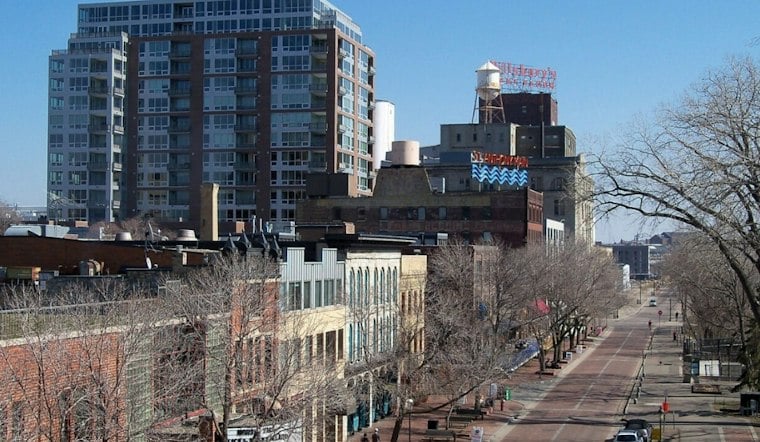
The Great Northern festival will celebrate its 10th anniversary January 29-31, 2027, with a new riverfront footprint in downtown Minneapolis, an ice bar, a temporary outdoor skating rink, and a slate of climate-focused programming layered into its usual mix of winter sports and public art. The multi-day gathering has become one of the Twin Cities' signature cold-weather traditions, and this winter's edition leans hard into both celebration and reflection as it marks a full decade.
According to WJON, the festival's Sauna Village — a cluster of mobile saunas that has become one of its most popular draws — is relocating to the Nicollet Island Pavilion for the anniversary run. That shift lines up with a broader move of the festival's primary footprint to the Mississippi riverfront at Saint Anthony Main in Minneapolis, as detailed by Bring Me The News. The sauna setup has previously logged more than 1,500 participants in a single weekend, according to MPR News, reflecting the broader boom in Minnesota's outdoor sauna culture.
Skating, Fat Tire Biking, and an Ice Bar Round Out the Weekend
Beyond the saunas, organizers are bringing back a temporary outdoor rink offering public skating, lessons, and open hockey, along with skate parties and figure skating performances, per WJON's rundown of the weekend. The festival will also include fat tire biking, cycling activities, and winter running events. New this year is an ice bar, part of the festival's broader footprint.
The event traces back to 2017, when it was founded as a collaborative umbrella initiative uniting three long-running Twin Cities winter traditions: the Saint Paul Winter Carnival, which dates to 1886, the City of Lakes Loppet Ski Festival, and the U.S. Pond Hockey Championships, according to GearJunkie. The idea was to consolidate and elevate Minnesota's major winter events under one banner, co-founded by local entrepreneur Eric Dayton and partner organizations. In the years since, it has grown into a sprawling, multi-venue event drawing an estimated 375,000 visitors annually, with arts, outdoor adventure, and climate-focused programming, per KARE 11.
Climate Programming Takes Center Stage Alongside Winter Fun
The festival has addressed climate change and resilience in its programming. That approach fits with how festival leadership has designed the event, pairing celebration of northern winter culture with direct engagement on climate change, framing warming winter temperatures as both a cultural threat and a call for environmental action, according to Twin Cities Business. Unseasonably mild Minnesota winters in recent years have repeatedly challenged traditional ice and snow events, making that tension a persistent backdrop for organizers.
Ahead of the anniversary, the festival commissioned and premiered Rooted: Stories from Minnesota's Farming Future, an original documentary directed by Liz Tracy that explores local small farmers, food sovereignty, and regional climate resilience, according to Visit Saint Paul. The film premiered at The Main Cinema, underscoring the festival's expanding role in producing original media that links regional agriculture to climate policy.
Environmental Education and Cultural Entertainment
The festival brings together environmental education and cultural entertainment.
The festival is co-led by Executive Director Jovan C. Speller Rebollar, who joined the organization in May 2023, and Chief Programming Officer Kate Nordstrum, who curates its artistic and cultural programming, according to MPR News. Speller Rebollar previously served as a program director at the Metropolitan Regional Arts Council.
Ticket Pricing and Public Funding
Passes for the 2027 festival include a $125 Festival Supporter Pass and a $495 Winter Circle Pass, per the festival's website. WJON notes the festival's own site provides ticket information, proceeds details, and a breakdown of pass benefits for prospective attendees.
The festival has also received support through Minnesota's Arts and Cultural Heritage Fund, created under the state's Legacy Amendment.





