

























































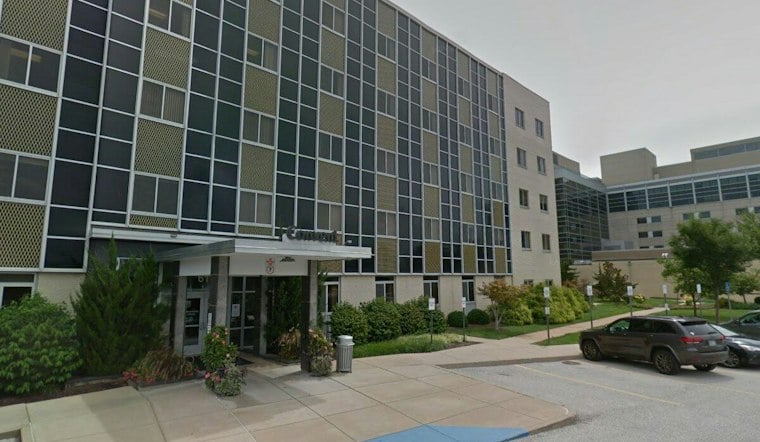
More than $45 million in federal funding is headed to Missouri to shore up rural hospitals, train hundreds of new paramedics, and connect struggling families with faster mental health care. The Centers for Medicare & Medicaid Services announced the award on Monday, directing the bulk of the money toward 20 rural hospital projects across the state, along with new behavioral health services and emergency medical training slots.
The largest slice of the award, $35 million, will fund facility improvements, building upgrades, diagnostic equipment, and renovated critical care spaces at those 20 rural hospital sites, according to the Centers for Medicare & Medicaid Services. As KMOV reported, the funding falls under the federal Rural Health Transformation Program, which state and federal officials say is designed to strengthen care networks, build the rural health workforce, advance technology, and transform how care is delivered.
Faster Psychiatric Help and a Bigger EMT Pipeline
A $6.4 million behavioral and perinatal health component of the grant will give rural Missouri providers access to rapid psychiatric consultations for children and families, often within 30 minutes, along with referral services and provider training, per the same CMS announcement. Separately, up to $4.2 million will go toward selecting and funding 437 individuals for emergency medical technician and paramedic training, while also offering retention incentives to rural EMS agencies statewide.
That EMS investment addresses a problem the Missouri Ambulance Association has been documenting for years. The group's data shows 36 percent of rural Missouri counties lack a hospital altogether, forcing emergency responders and patients in areas like Carter and Benton counties to travel more than 51 miles to reach the nearest hospital, according to the Missouri Ambulance Association. The new grant builds on more than $7 million in earlier federal funding Missouri had already received for doula training and certification, mobile healthcare, and community paramedicine initiatives, the CMS release notes.
Missouri Officials Praise the Federal Partnership
U.S. Rep. Ann Wagner's office credited the Working Families Tax Cuts Act with making the investment possible, and Wagner said the funding will support healthier families for generations to come, according to KMOV's reporting. She added that she will continue working with the administration to ensure Missouri's local hospitals can modernize and have the funding flexibility to support patients close to home.
Governor Mike Kehoe struck a similar note, saying a person's zip code should never determine whether they can see a doctor, receive emergency care, or access needed services. Kehoe said the investment can continue delivering meaningful improvements in rural health care for generations to come, and he thanked President Trump and the U.S. Department of Health and Human Services for what he called a continued partnership. Wagner, Kehoe, and other Missouri congressional lawmakers joined in thanking the administration for the funding, per the outlet's account.
A Decade of Rural Hospital Closures Behind the Funding Push
The new money lands against a backdrop of sustained losses in rural Missouri health care. Between 2014 and 2023, 12 of the 19 hospitals that closed statewide were in rural counties, leaving approximately 36 rural counties without a hospital at all, according to the Missouri Department of Health and Senior Services. Maternity care has been especially hard hit: researchers at the University of Minnesota Rural Health Research Center found that nine Missouri counties lost hospital-based obstetric services between 2010 and 2024, forcing rural pregnant women to travel significantly longer distances for labor and delivery care, as KCUR reported.
Those access gaps carry measurable health consequences. Rural residents face a 40 percent higher preventable hospitalization rate and a 23 percent higher mortality rate than urban populations, according to an analysis of U.S. Census Bureau data by America's Health Rankings, which points to aging rural communities and persistent barriers to care as key drivers.
A Five-Year Cushion for a Longer-Term Funding Gap
The Rural Health Transformation Program itself is a temporary fix layered on top of a much larger financial shift. The program was established under 2025 federal budget reconciliation legislation as a five-year, $50 billion national grant initiative, designed in part to offset an estimated $137 billion ten-year reduction in federal rural Medicaid spending, according to a KFF policy analysis. First-year state allocations under the program varied widely nationally, ranging from $147 million to $281 million per state, with per-rural-resident funding landing under $100 in ten states and above $500 in eight others, per the same KFF analysis.
That national context puts Missouri's $45 million award in the broader context of rural health funding: it funds hospital upgrades, EMT training slots, and psychiatric consultation access.





