

























































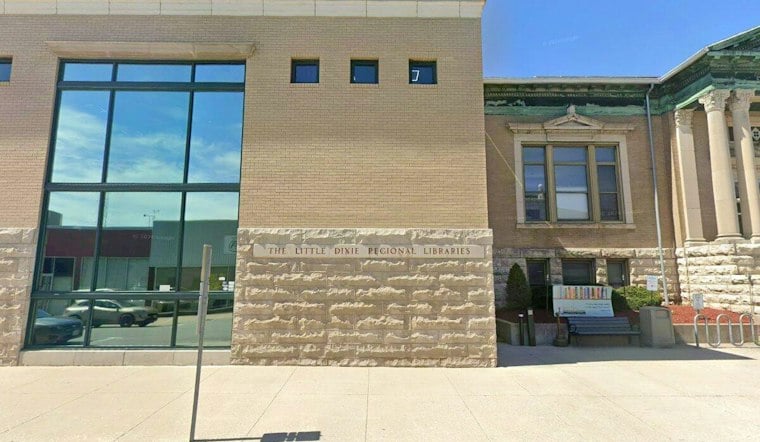
Homeowners, renters and business owners across Randolph and Saline counties still cleaning up after spring storm damage have a chance to sit down with federal officials today. The U.S. Small Business Administration is holding a disaster recovery information-sharing event from 1 to 5 p.m. at the Little Dixie Regional Library in Moberly, offering guidance on everything from fixing a flooded car to keeping a small business open.
What the Moberly Event Will Cover
According to KOMU 8, the session is expected to walk attendees through the process of repairing vehicles, homes and businesses, as well as strategies for keeping a business afloat in the aftermath of a disaster. It follows earlier reporting from the station that the SBA had announced low-interest federal disaster loans for people affected by severe weather in the two counties.
That severe weather included storms, tornadoes and flooding that struck Randolph and Saline counties from April 23 through April 28, 2026, according to a news release cited in the station's report. The Moberly meeting is meant to translate that broader disaster declaration into practical next steps for residents and business owners trying to rebuild months later.
The SBA aid comes through a separate rural declaration enabled by the Disaster Assistance for Rural Communities Act. Where a county has a presidential Public Assistance declaration, the law lets SBA make a rural disaster declaration when as few as one property is damaged, replacing a previous threshold of at least 25 properties. The change was designed to make disaster loans available in rural areas where damage may be less widespread but still financially disruptive. SBA’s explanation of the law and Missouri’s announcement of the Randolph-Saline declaration describe that framework.
Loan Amounts Available to Homeowners and Businesses
The aid on offer breaks down by category. Homeowners and renters can receive loans of up to $500,000 for damage to their primary residence, plus a separate loan of up to $100,000 to cover damaged personal property. Businesses and nonprofits, meanwhile, can receive up to $2 million in physical disaster loans, which can fund the repair or replacement of damaged real estate, machinery, equipment or inventory.
The storm’s reach included renters as well as homeowners: in its request for federal individual assistance, Missouri said more than 140 households had verified uninsured damage and over half of affected individuals were renters. Renters may apply for up to $100,000 for damaged personal property, including vehicles, furniture and appliances. The state’s damage assessment and SBA’s eligibility rules spell out those distinctions.
The agency is also offering economic injury disaster loans, which assist small businesses, small agricultural cooperatives and private nonprofit organizations that suffered financial losses during the disaster. Notably, those economic injury loans are available even to organizations that suffered no physical damage at all, a distinction that could open the door to businesses that lost customers or revenue without seeing structural harm.
The loans are intended to provide working capital for expenses such as rent, utilities and fixed debt payments while operations recover. SBA’s program criteria make that threshold explicit.
Application Deadlines Residents Should Know
Timing matters for anyone considering applying. Physical-damage loan applications are due October 27, 2026, giving affected homeowners and business owners roughly a month from today's meeting to get paperwork in order. Economic injury loan applications have a longer runway, with a deadline of May 28, 2027, for organizations still tallying financial losses tied to the spring disaster.
A prior SBA declaration for the same April storm system offers a nearby measure of the program’s reach: by Aug. 31, the agency had approved loans for at least 30 homeowners and five business owners in seven other Missouri counties, with more than $440,000 disbursed. For Randolph and Saline counties, SEMA lists rates as low as 2.87% for homeowners and renters and terms up to 30 years, with payments and interest deferred for 12 months after the first disbursement. SEMA’s loan update provides both figures.



