

























































A Montgomery County oversight review found that county departments issued 739 Disruptive Behavior Orders from 2019 through August 2026, including 577 by the public library system. Against that backdrop, County Executive Marc Elrich is backing Bill 37-26, which would let officials ban people from libraries, recreation centers and other public facilities for up to two years, more than seven times the current 90-day limit. The bill also would allow orders to cover more than one facility. Residents debated the proposal at a council hearing this week. The figures are from the Montgomery County Office of Legislative Oversight.
The bill would let Disruptive Behavior Orders apply at more than one county facility at a time, rather than limiting a ban to the single location where the incident occurred. Assistant Chief Administrative Officer Earl Stoddard testified in support of the measure and, according to The Baltimore Banner, said it targets people who make threats such as knowing where someone lives and coming after them. Stoddard was the only speaker at the hearing to testify in favor of the bill, the outlet reported.
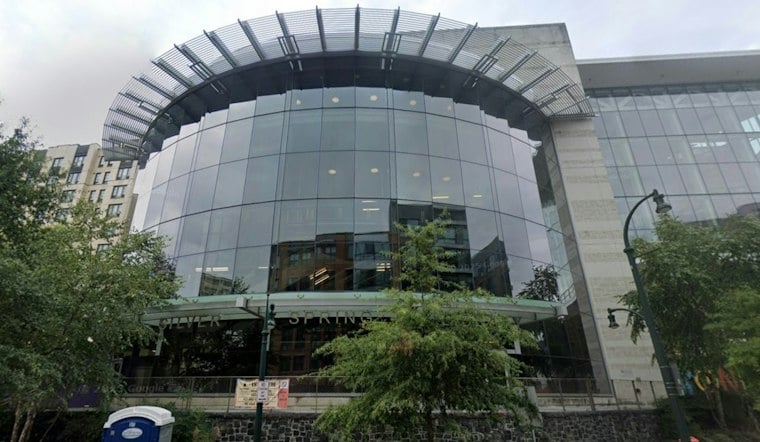
Stoddard cited two incidents to explain his support, according to the Banner: a person at a county library who touched children inappropriately more than once, and someone who returned to the Silver Spring Aquatic Center with a pipe after a ban expired and threatened employees. He said the legislation could be revised to protect public testimony, civil disobedience, unhoused people and people experiencing mental health crises.
Where the Bans Are Concentrated
Libraries accounted for most of the orders. In data covering 2019–2023, the Brigadier General Charles E. McGee Library had 67 orders and Rockville Memorial Library had 54, according to the Office of Legislative Oversight.
Orders also rose sharply in recent years, from 22 in fiscal 2020 to 168 in fiscal 2024, the Banner reported. The oversight office said it could not determine whether the bill's potential burdens exceed its potential benefits or assess its racial or social justice impact. It noted that Black community members visiting downtown Silver Spring county facilities could be disproportionately affected.
Advocates Warn of Harm to Unhoused Residents
Montgomery County Public Libraries supports the legislation, arguing that someone who commits serious misconduct at one branch could repeat it at another. The system cited bodily threats, racial slurs, fighting and sexual misconduct as examples of the serious incidents behind its position, according to the Banner.
Homeless service providers and residents raised concerns about the scope of the proposed bans. Brenna Olson of Shepherd's Table said the bill could harm unhoused people and that excluding them from more facilities than necessary risks criminalizing them. Thomas Gibson, who identified himself as a resident of the Nebel Street men's shelter, said administrative orders could bar unhoused people from public spaces they rely on. The Banner reported their comments.
Dena Lebowitz raised concerns about protections for lawful speech, peaceful protest, signs, testimony, organizing and meeting attendance, arguing that political disagreement and lawful dissent should not be treated as threats. County officials say the bill is intended to protect residents from inappropriate or threatening behavior, not punish speech, the Banner reported.
A Sponsor Distances Herself, and a Broader Legal Backdrop
The bill's official sponsor, Council President Natali Fani-González, has distanced herself from the measure, telling the Banner she had nothing to do with it. Under county code, the county executive can introduce bills through the council president, which explains how her name landed on legislation she says she did not originate.
Montgomery County's authority to ban patrons from public facilities is not new. The framework dates to 2004.
What Counts as Disruptive Behavior?
County code defines disruptive behavior as conduct a reasonable person would find disrupts a public facility’s normal functions, or conduct specifically prohibited by a notice conspicuously posted at the facility, according to the Office of Legislative Oversight. Current orders are limited to 90 days and one facility; Bill 37-26 would allow bans of up to two years and extend them to multiple facilities. The bill also changes how orders are reviewed and appealed. The oversight office says it addresses scheduling an initial review meeting after a short-term order, but its summary does not specify a particular scheduling deadline. The proposed review process and appeal rights are described below.
What Would Actually Change
Beyond extending the maximum ban length, Bill 37-26 restructures who reviews these orders and how quickly. For bans lasting 90 days or less, initial administrative review authority would shift from the Chief Administrative Officer to the Montgomery County Police Department, according to the county's Office of Legislative Oversight. The bill also addresses scheduling an initial review meeting after a short-term order is issued.
For bans exceeding 90 days, the bill creates a more formal appeal structure, designating a hearing examiner in the Office of Zoning and Administrative Hearings to hold evidentiary hearings, with recipients granted the right to further appeal to the Maryland Circuit Court. Under both current law and the proposed changes, remaining in or returning to a facility after being notified of a violation remains a Class A offense, the oversight office noted.
The Montgomery County Council's Government and Operations Committee and Public Safety Committee will hold a joint work session on the bill starting at 1:30 p.m. on October 19, and county residents can submit testimony on the legislation ahead of that session.




