

























































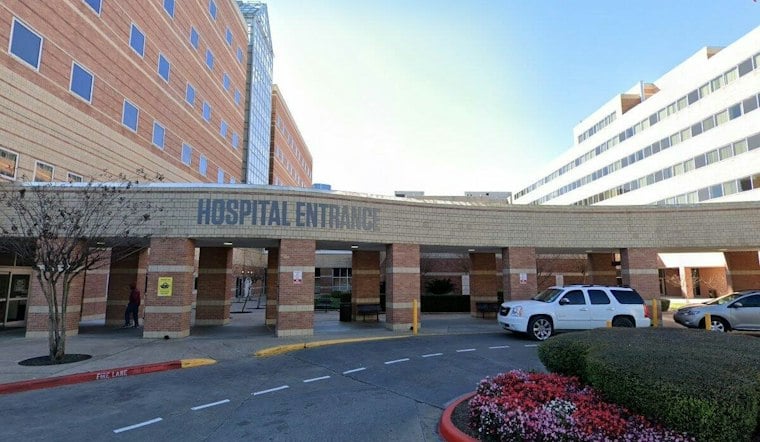
Otherwise healthy men in their 20s and 30s are showing up at Houston safety-net hospitals in full kidney failure, and doctors say they often can't pin down why. The pattern echoes a disease long seen in Central American sugarcane fields, and it's now surfacing among Texas construction workers, roofers and other outdoor laborers who spend their days in extreme heat with limited water breaks.
The condition is known as chronic kidney disease of unknown etiology, or CKDu, sometimes called Mesoamerican Nephropathy, as reported by the New York Post. It causes kidney failure without the usual culprits of diabetes, hypertension or glomerulonephritis, and it typically strikes young to middle-aged adults, more often men, who work in agriculture and manual labor in hot, low-resource regions, according to Gokul Paidi, cited in the Post's report. Many of the Texas patients are undocumented laborers from Mexico and Central America working in construction, roofing and outdoor trades, and the disease is notoriously hard to track in the state partly because some affected workers are reluctant to seek care or take part in research.
The scale of the problem in Texas isn't new, even if the recent attention is. A retrospective review of 346 patients receiving emergent hemodialysis at a large Texas county hospital between 2012 and 2015 found that 16 percent had no identifiable cause, according to a study published on medRxiv. That works out to roughly one in six emergency dialysis cases at the hospital showing no clear cause, per the Post's reporting, suggesting unexplained kidney failure has been quietly present in Texas's safety-net system for well over a decade.
A Silent Disease With No Easy Test
Part of what makes CKDu so dangerous is that it starts with almost no symptoms at all. Doctors describe it as a silent disease that can progress rapidly over just a few years before advancing to end-stage kidney disease, per the Post. Later stages can bring fatigue, weakness, nausea, sleep disturbances and shortness of breath from anemia, physician Richard J. Johnson told the outlet.
There's no specific diagnostic test for CKDu. A kidney biopsy comes closest to a gold standard for confirming it, but it isn't practical for widespread screening, so doctors instead diagnose the condition by ruling out other causes and weighing a patient's occupational and environmental exposures, according to the Post's account. There's also no disease-specific treatment; management focuses on controlling blood pressure and avoiding further kidney injury from over-the-counter NSAIDs, since ACE inhibitors can sometimes worsen kidney function in people who are already dehydrated. In advanced cases, patients may need dialysis or a kidney transplant.
Heat, Chemicals, and a Web of Suspected Causes
Researchers still don't know the exact cause of CKDu, but heat stress is considered a leading suspect, alongside a mix of occupational and environmental factors that may gradually damage the kidneys over time, the Post reports. Repeated heat stress and dehydration from outdoor labor, exposure to crop pesticides, smoke from burning sugarcane, unsafe drinking water, and even routine use of over-the-counter NSAIDs have all been floated as possible contributors.
Other research points to heavy metals as a possible piece of the puzzle. Epidemiological work by researchers at Baylor College of Medicine and Texas A&M University identified trace heavy metal toxicities, including elevated nickel found in patient samples, as potential co-factors acting alongside recurrent heat dehydration in Mesoamerican Nephropathy cases, according to Baylor College of Medicine. Researchers there analyzed toenail and other biological samples from affected patient clusters to weigh these multifactorial causes.
The disease was first described among sugarcane workers in El Salvador and Nicaragua in the late 1990s, and it has since devastated young to middle-aged agricultural workers across Central America and South Asia, per the Post. Similar kidney disease epidemics have been reported in Sri Lanka, India, rural Thailand and Tierra Blanca, Mexico. Simple interventions like improving hydration and shade access, starting work earlier in the day, and reducing total work hours may help reduce the kidney damage associated with the disease, the Post notes.
Texas Rolled Back Local Water-Break Rules
The medical mystery is unfolding against a stark regulatory backdrop. In June 2023, Governor Greg Abbott signed House Bill 2127, which nullified local ordinances in Austin and Dallas that had required 10-minute water and shade breaks for construction workers every four hours, as reported by the Texas Tribune. Austin had enacted its mandatory break ordinance back in 2010, with Dallas following in 2015, before the state law wiped both off the books.
The stakes of that rollback are measured in lives. Bureau of Labor Statistics data cited by the same Texas Tribune report showed that at least 42 outdoor workers died from environmental heat exposure in the state between 2011 and 2021, making Texas the deadliest state in the nation for workplace heat exposure. Labor organizations quoted in that report note that official heat death counts likely understate the true toll, since fatalities are often recorded under primary conditions like cardiac arrest rather than heat itself.
With no local mandates in place, federal oversight has become the primary backstop. In April 2026, the Occupational Safety and Health Administration updated its National Emphasis Program for Outdoor and Indoor Heat-Related Hazards, extending targeted heat inspections through 2031 across 55 high-risk industry sectors including construction and agriculture, according to OSHA. The agency has no final federal heat rule in place. OSHA had previously proposed a formal workplace heat standard in August 2024 that would require written heat plans, drinking water, shade access, and scheduled rest breaks once the workplace heat index hits 80 and 90 degree thresholds, per the Federal Register, though that rule remains pending.
Coverage Gaps Push Patients to the ER
Underlying much of this is a coverage gap that keeps at-risk workers away from doctors until it's nearly too late. An estimated 5,500 to 9,000 undocumented immigrants nationwide live with end-stage kidney disease and lack Medicare coverage for scheduled outpatient hemodialysis, forcing Texas public safety-net systems to rely on costly emergency-room dialysis instead of preventive care, per the medRxiv study. Emergency dialysis is only provided once a patient presents with life-threatening symptoms, not as ongoing maintenance treatment.
Financial pressure compounds the problem. Only one-third of private-sector workers have access to state paid family and medical leave, even though severe dehydration and heat stress significantly impair cognitive function, memory, and decision-making on job sites, according to research published on PubMed Central. Manual laborers face both financial strain and physical risk on job sites.
Researchers Turn to Real-Time Monitoring
Researchers Turn to Real-Time Monitoring Real-time monitoring could help catch kidney damage as it happens rather than after the fact.
Doctors quoted by the Post recommend that people working agricultural or outdoor labor jobs get their kidney function checked at least twice a year, since urine protein tests and creatinine blood tests can catch early kidney changes before any symptoms appear. Left unchecked, chronic kidney disease can cause fluid buildup and raises the risk of heart disease, high blood pressure, stroke, and premature death. In resource-poor regions where dialysis and transplantation are rarely available, mortality among affected patients remains high, the Post reports.
Texas has moved faster to protect young athletes from heat than it has adult workers. In 2026, the Texas University Interscholastic League's heat-stress protocols became mandatory on August 1, 2026, Hoodline previously reported. No comparable statewide mandate currently applies to the adult construction and agricultural workers now showing up in Houston emergency rooms with unexplained kidney failure.



