

























































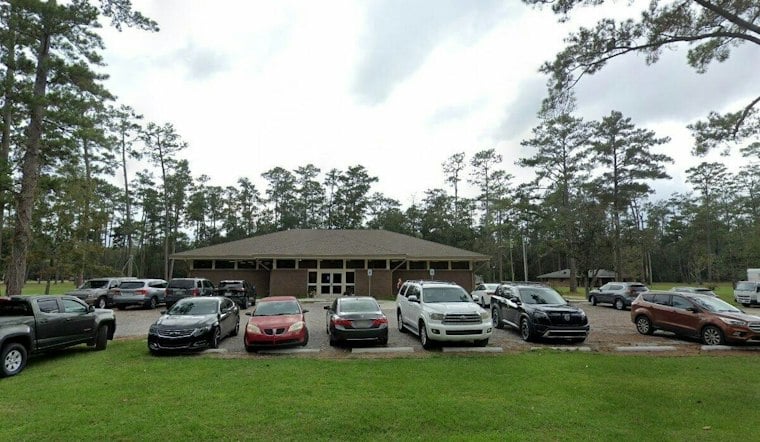
NAMI Southeast Louisiana is planning a permanent supportive-housing village in Lacombe for people experiencing homelessness and severe, persistent mental illness. The organization is working with MSH Architects and DSLD Builders on homes to be built on donated land, with a groundbreaking ceremony planned for October.
Public descriptions differ on the planned size of the community. New Orleans CityBusiness reports 15 residences, while NAMI Southeast Louisiana's housing page describes space for 13 new residents in the Lacombe area. The project is intended as permanent supportive housing for people with severe and persistent mental illness and would be located on more than five acres of donated land at 28534 Erwin Road.
The project combines public funding with donated or discounted professional services. St. Tammany Parish government has allocated $500,000 in American Rescue Plan Act funding, according to CityBusiness. DSLD Builders has agreed to provide construction at cost, while MSH Architects is donating architectural services, arrangements that could reduce the amount the organization must raise through philanthropy and other support.
What the Village Will Offer Residents
Beyond individual living spaces, the development is set to include onsite support services, case management, transportation resources and shared community spaces, the report states. A portion of the homes will be prioritized for veterans. NAMI Southeast Louisiana's housing program more broadly provides life-skills training along with medical, mental-health, substance-abuse, dental, financial, medication-management and home-management services, and transportation to help residents reach community resources and employment, according to the organization's website.
Land-use and infrastructure context
The proposed homes will also be subject to the parish's broader land-use and infrastructure framework. According to St. Tammany Parish's Unified Development Code, land-use standards are intended to facilitate the safe and economical provision of streets, water, wastewater, stormwater and other public facilities.
Nick Richard told CityBusiness that the village is intended to give residents a stable home, a supportive community and a path toward greater independence.
The Case for Lower-Cost, Longer-Term Housing
NAMI Southeast Louisiana presents the village as an effort to address the instability that can accompany serious mental illness, including recurring homelessness, hospitalization and incarceration. The organization told CityBusiness that stable housing paired with support services can help interrupt those cycles.
NAMI estimates that a day of incarceration costs about $150, while a day of psychiatric hospitalization can cost as much as $1,000. The organization expects housing a resident in the village to cost about $50 per day, according to CityBusiness. More broadly, the Corporation for Supportive Housing says combining affordable housing with support services can reduce tenants' use of shelters, hospitals, emergency rooms, jails and prisons, potentially lowering public costs.
NAMI Southeast Louisiana has operated supervised supportive-housing programs since 2013. Its housing page says the organization provided housing to more than 294 individuals and more than 91,500 nights of safe shelter in 2024. CityBusiness separately reports that NAMI provided more than 100,000 nights of shelter and housing to 284 people in 2025, a difference that reflects separate reporting periods and figures. The outlet also reports that NAMI served more than 67,000 residents last year through mental-health programs, support groups, housing services and advocacy across nine southeast Louisiana parishes.
How Lacombe Compares to Other Tiny-Home Efforts
Similar models have taken root elsewhere. In Minneapolis, Avivo Village operates as an indoor community of 100 secure, private dwellings offering substance-use treatment, mental-health therapy, medical care and employment pathways; the organization reports serving 873 individuals since opening in December 2020 through July 2026, with 339 moving on to safe, permanent housing.
In Nebraska, Bridges to Hope is developing Hope Village, a tiny-home community in Lincoln offering permanent supportive housing for up to 18 individuals or small families, with each unit ranging from 250 to 500 square feet and including a sleeping area, kitchenette and private bathroom, according to Bridges to Hope. And in Pittsboro, North Carolina, Alliance Health invested $100,000 to build two tiny homes for people experiencing homelessness served by the UNC Assertive Community Treatment Team, part of a broader 15-home village at the Farm at Penny Lane ranging from 360 to 400 square feet, per Alliance Health.
Costs for these projects can vary widely. The A-Mark Foundation estimates the average construction cost of a tiny-home unit in Los Angeles County at about $43,000, with an additional $55 per night needed for services and maintenance — and the group notes that government funding for such villages typically falls $20 to $30 short per resident each day for security, meals, case management and staffing.
NAMI Southeast Louisiana is seeking financial and other support from businesses, foundations, community organizations and individuals, according to CityBusiness. The proposed village would add another component to the organization's housing work while addressing the housing instability and related cycles of homelessness, hospitalization and incarceration that the organization associates with serious mental illness.





