

























































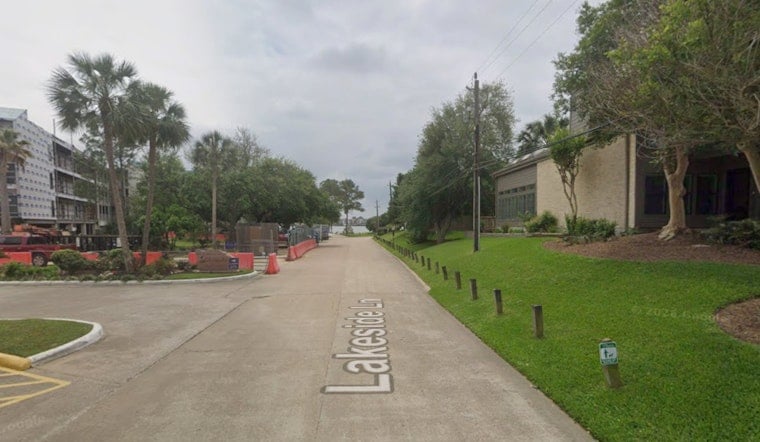
Sarah Arends pays $767 a month in association fees for a condo she hasn't been able to live in since a fire tore through her building more than five years ago. She's not alone — at Bayfront Towers, a waterfront complex in Nassau Bay, Texas, 11 displaced owners are still writing checks to a homeowners association for units that either don't exist anymore or remain gutted and unlivable.
The fire broke out on March 29, 2021, destroying 11 condominium units and damaging 26 more with heavy smoke and water, according to the New York Post. No one was injured. Arends says she now pays nearly $10,000 a year in association fees, and she isn't the only owner facing steep, ongoing costs — May-Ying Lam has paid just under $50,000 in fees since the blaze, per the same report.
A Blaze That Overwhelmed Six Fire Departments
The fire broke out around 3:50 p.m. on Building B's exterior stucco, causing the fourth floor to collapse and damaging roughly 35 percent of the complex, according to the Houston Chronicle. The Nassau Bay Fire Marshal ultimately determined the fire was accidental, with no definitive cause identified. Crews from six regional fire departments — Nassau Bay, Houston, Seabrook, Webster, Kemah, and Friendswood — were needed to extinguish the blaze at the 74-unit community, which sits along Clear Lake across from NASA Johnson Space Center.
Building B housed all 11 of the units that were ultimately destroyed. Insurance proceeds and reserve funds turned out to be insufficient to complete reconstruction, the Chronicle's report notes, forcing the Bayfront Condominium Association to look elsewhere for money to finish the job.
Why Texas Law Leaves Owners No Off-Ramp
Under Texas Property Code § 82.111(i), a condominium association is legally required to promptly repair or restore damaged common elements and units after a casualty event — unless at least 80 percent of all unit owners vote against rebuilding. That statutory mandate is why the Bayfront board couldn't simply walk away from Building B, no matter how expensive the reconstruction became.
The law is equally unforgiving on the payment side. Texas Property Code § 82.112 prohibits unit owners from waiving or exempting themselves from assessment liabilities because of non-use or unit abandonment, meaning displaced owners can't legally pause their dues just because their homes are unlivable. The Bayfront association's own bylaws contain no provision allowing fees to be suspended after a disaster, and the board maintains that owners unable to occupy their homes remain responsible for their share of property expenses.
When insurance proceeds fall short of full reconstruction costs, Texas Property Code § 82.111(j) designates the remaining expense as a common cost the board may assess against all unit owners — the legal basis cited by Goodwin & Company for how shortfalls become collective bills. At Bayfront, the association levied three special assessments totaling $38,249 per unit and has raised more than $2.8 million from complex owners overall, according to the Chronicle's reporting.
Owners Call the Bills Unconscionable
“Absolutely preposterous” is how Arends described continuing to pay fees without knowing when she'll be able to return, per the Post's report. Lam went further, calling it “unconscionable” to keep paying for what she called a nonexistent apartment. Gwen Curlee, the association's treasurer, has said maintenance and insurance costs continued — and even increased — after the fire, adding financial pressure on top of the rebuilding costs.
Reconstruction has dragged on for years. The association has worked with at least four contractors and consultants over the course of the project, and its current contractor, Sunrise Certified Services, has missed six promised deadlines over two years, according to the dossier's underlying reporting. Sunrise did not respond to the Chronicle's requests for comment.
Legal Precedent Backs the Board's Hand
Case law offers little hope for owners looking to challenge the fees. A 2016 Texas appellate ruling in Akhtar v. Leawood HOA, Inc. established that condominium boards have mandatory duties to repair common elements after catastrophic losses and clear authority to levy pro-rata assessments on owners to cover insurance deductibles or repair shortfalls, according to the Merlin Law Group. And under Texas Property Code § 82.102 and § 82.113, associations hold statutory authority to charge interest on delinquent assessments, file property liens, and initiate foreclosure against owners who stop paying dues — a risk that leaves displaced Bayfront owners with little choice but to keep paying.
Dissolving the association entirely isn't a realistic escape hatch either. Texas Property Code § 82.068 requires approval from at least 80 percent of the total association vote to terminate a condominium regime, after which title would vest in unit owners as tenants in common — a threshold that would demand near-unanimous agreement among all 74 unit owners at Bayfront.
A Houston-Area Pattern With Wider Stakes
The Bayfront saga underscores just how deeply HOA governance is woven into Houston-area housing. Roughly 55 percent of housing units in the Houston metro area — nearly 1 million homes — are governed by homeowners associations or condominium associations, according to Census data cited by the Chronicle, giving the region the highest concentration of HOA-governed properties of any major U.S. metro area.
Rebuilt Units Are Finally Hitting the Market
As reconstruction nears completion, two of the destroyed Bayfront Towers units have been listed for sale. One unit is asking $200,000, which is more than $50,000 below its appraised market value, per listings reviewed for the Post's reporting. Arends says she plans to sell her own unit once construction wraps up and a certificate of occupancy is issued — closing out a five-year ordeal that, for now, is still costing her hundreds of dollars every month.





