

























































Oklahoma banks and credit unions will soon have clear legal cover to freeze suspicious transactions and alert authorities when they suspect an older customer is being scammed, under a new state law set to take effect in November. The measure arrives as financial fraud targeting Oklahoma seniors has surged, with elderly victims across the state losing tens of millions of dollars in the past year alone.
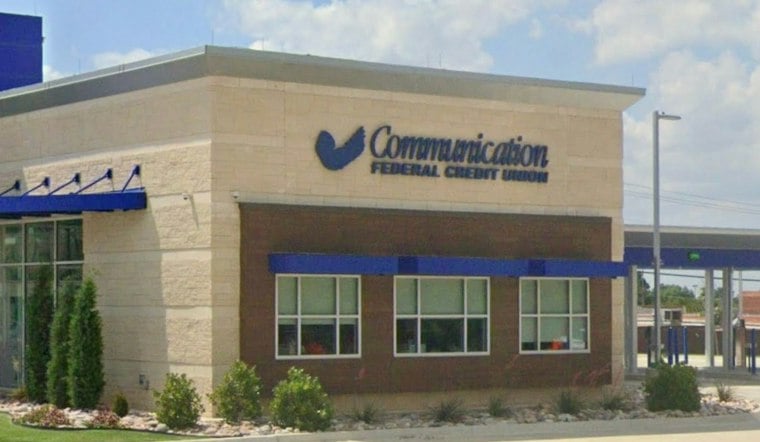
Senate Bill 2067, authored by Sen. Jerry Alvord (R-Wilson), passed both chambers of the Oklahoma Legislature unanimously and was signed into law by Governor Kevin Stitt in May, according to the Oklahoma State Senate. The bill creates Section 3401 of Title 6 of the Oklahoma Statutes, giving banks and credit unions clearer authority to report elder exploitation. As reported by News 9, Heather Converse, vice president of compliance at Communication Federal Credit Union, said financial institutions previously faced real boundaries and barriers to stopping scams and rapidly reporting them to law enforcement and Adult Protective Services.
Converse testified before the Oklahoma Legislature many times in support of the bill, per the same News 9 report. Stephen Lark, CEO of Communication Federal Credit Union, said his institution worked directly with lobbyists and lawmakers to help shape the law, adding that it helps protect individuals. Under the new statute, institutions that report suspected exploitation in good faith, or place holds on questionable transactions, receive administrative legal immunity — a protection that did not exist before, since banks previously risked privacy lawsuits or regulatory penalties for delaying transfers or sharing member details with Adult Protective Services.
A Coalition Years in the Making
SB 2067 was developed and endorsed through a coalition of statewide stakeholders including the Cornerstone League, the Oklahoma Bankers Association, AARP, and law enforcement organizations, according to the Cornerstone League. Credit union leaders worked through the league's Oklahoma Government Affairs Committee to draft and lobby for the measure.
The law complements 2025's Neil's Law, formally known as HB 1566, which established the Oklahoma Elder Exploitation and Abuse Act. That statute, which took effect in November 2025 under Title 43A, allows vulnerable adults or their legal representatives to pursue civil lawsuits and recover triple damages for financial exploitation, according to the Oklahoma State Senate. It was named after an Oklahoma resident defrauded by a trusted contact.
Scam Losses Climbing Statewide
The stakes behind the legislation are stark. FBI Internet Crime Complaint Center data shows 2,449 Oklahomans aged 60 and older lost $53.3 million to financial scams in 2025, a 32% increase in senior victims from the year before, according to figures cited by Heritage Community Services of Kansas. Investment scams alone made up $24 million of that total, nearly tripling from $8.3 million the prior year.
Nationally, the picture is just as troubling. Older adults across the country lost more than $7.7 billion to online fraud and financial exploitation in 2025 across over 201,000 filed complaints, a 59% jump in total losses from 2024, based on figures reported by Hoodline's coverage of a related romance fraud case. Researchers with the National Adult Protective Services Association estimate that only 1 in 25 to 1 in 44 instances of elder financial exploitation is ever reported to authorities, meaning the true toll is likely far higher than official numbers suggest.
That underreporting gap has played out locally. Earlier this month, a federal judge in Tulsa sentenced a scam courier to 30 months in prison for his role in a multi-state scheme that defrauded an elderly Delaware County veteran out of nearly $100,000 in physical gold, after fraudsters posing as tech support and federal agents convinced him to convert his savings into gold bars.
How Consumers Can Protect Themselves
Converse recommended that Oklahomans add a trusted contact to their financial accounts, per News 9. A trusted contact does not change account ownership and cannot perform transactions, but can be reached by the institution when something appears wrong with the account.
She also warned that caller ID can be spoofed to impersonate a financial institution, and urged consumers to hang up and call back using a number they already trust rather than one provided during a suspicious call. Converse advised people to log into their accounts directly to check for suspicious activity, and stressed that financial institutions never ask for customers' usernames, passwords, or multi-factor authentication codes, since those codes are meant for the account holder alone.
Scammers often exploit urgency and emotional distress to push victims into acting quickly, Converse said, advising people to pause, slow down, calm down, and call their financial institution before sending money. Banks and credit unions can offer guidance and resources to suspected victims and help customers exit a scam situation once it is recognized. Converse also pointed to social media as a growing vector for fraud, noting that scammers may impersonate a victim's friend online and even offer investment advice while posing as that friend.
Protections for Reporting Exploitation
Oklahoma's new law provides immunity for financial institutions that report suspected elder financial exploitation in good faith.
Oklahomans who suspect a loved one is being financially exploited can contact Oklahoma Adult Protective Services through its hotline or visit the Oklahoma DHS website.



