

























































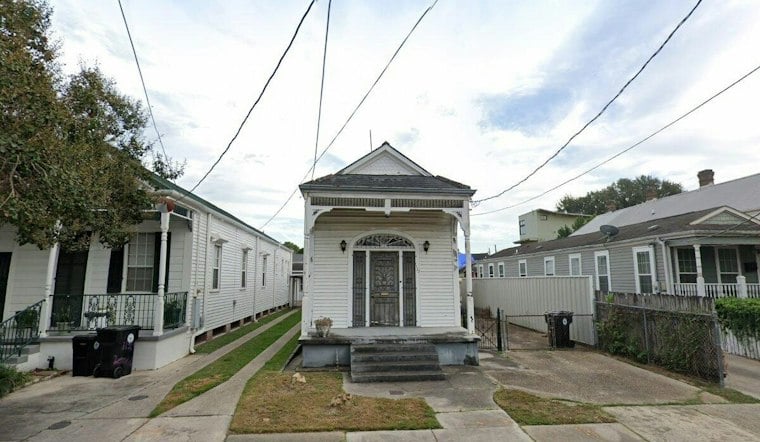
New Orleans-area home sales pulled back in August even as prices kept climbing, with the metro's average sales price jumping 8.7% to $369,344 while closed sales fell 3.2% year over year to 1,071 transactions. In Orleans Parish, the price surge was even steeper, with the average sale hitting $493,953, a 16.4% jump, even as closed sales there managed a 3% increase for the month.
The figures come from the New Orleans Metropolitan Association of Realtors, which compiles monthly statistics for the 10-parish metro area covering Jefferson, Orleans, Plaquemines, St. Bernard, St. Charles, St. John, St. James, St. Tammany, Tangipahoa and Washington parishes, according to New Orleans CityBusiness. Despite the August slowdown, year-to-date sales across the metro remained 6.1% higher than the same stretch last year, the outlet reports, suggesting the pullback is more of a monthly hiccup than a reversal of 2026's broader growth trend.
St. Tammany Leads While Orleans Commands a Premium
St. Tammany Parish stood out as the strongest performer among the major parish markets, with year-to-date sales up 11.1% compared to the same period last year, per the CityBusiness report. That suburban momentum contrasts with Orleans Parish, where buyers are paying a steep premium even as the pace of price growth there outstrips the rest of the region.
The latest figures show differences among parish markets. NOMAR's own March figures had shown closed sales rebounding 17.0% year-over-year to 1,000 transactions with pending sales up 29.2%, according to The W Group Real Estate, illustrating how volatile the spring-to-summer swing has been for local buyers and sellers alike.
Insurance Costs Add to Homeownership Expenses
High property-insurance costs add to the expense of owning a home in New Orleans. Insurance is another cost homeowners must account for alongside their monthly housing payments.
There has been some relief on that front. The Louisiana Department of Insurance found that statewide homeowners insurance rate increases came in flat in early 2026, a marked slowdown from the 4.6% increase recorded in 2025 and the double-digit hikes seen in 2022 and 2023, according to Biz New Orleans. The stabilization follows steep premium increases and difficult coverage conditions in Louisiana, though steep premium increases and difficult coverage conditions remain concerns for Louisiana homeowners.
Property taxes add another layer to the equation in Orleans Parish. Combined with flood and hazard insurance, these costs are part of the monthly escrow payments buyers must budget for when weighing a purchase in the city.
Mortgage Rates and a Slower Pace of Deals
National borrowing costs haven't helped matters. Freddie Mac reported the average 30-year fixed-rate mortgage stood at 6.76% on September 10, 2026, versus 6.35% a year earlier, according to Freddie Mac data. Those elevated rates have continued to shape purchasing power nationwide, illustrating the broader borrowing-cost pressures facing buyers.
Locally, that caution shows up in how long homes are sitting on the market. Homes in Greater New Orleans averaged 64 days on the market in August. The lag suggests buyers are taking extra time to weigh high total carrying costs before committing, even as average sale prices keep climbing.
New Wholesaling Rules and Tight Construction Pipeline
The market shift also comes just weeks after Louisiana's new residential property wholesaling regulations took effect. House Bill 468, known as Act 807, established statewide rules for property contract assignments that took effect August 1, according to Louisiana REALTORS. The measure addresses property contract assignments.
Underlying supply constraints continue to shape the broader picture as well. Multi-family residential construction starts across Greater New Orleans remain limited, with fewer than 1,000 units under construction representing just 1.3% of total inventory, compared with a 3.4% national average, according to a regional forecast from MMG Real Estate Advisors. That subdued construction pipeline is part of the broader housing picture across the metro.
Hoodline previously reported on the region's affordability squeeze heading into fall, when July pending sales were up 10.3% and industry leaders were preparing for an October forecast summit. August's mix of falling sales and rising prices adds another data point to that ongoing conversation about what homeownership actually costs in Greater New Orleans.




