

























































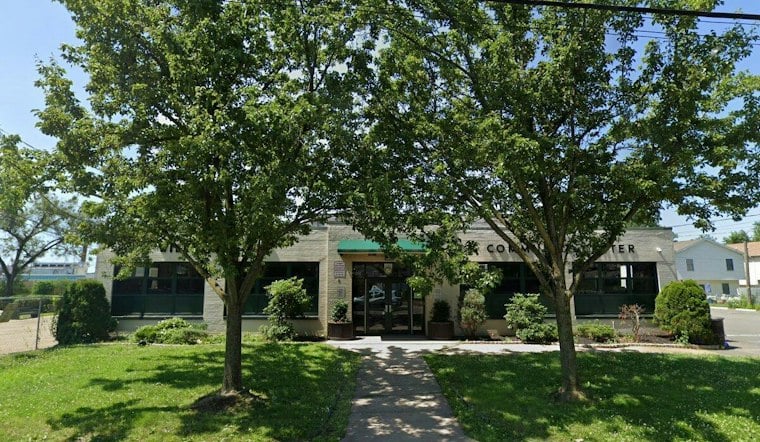
A massive tree came crashing down onto a home on Wilder Street in Hillside as powerful nor'easter winds tore through Union County, smashing through the roof, garage, and living room while a husband, wife, and their son were inside. The family escaped without serious injuries, but they lost power and are now grappling with insurance questions, storm debris, and a second tree on the property that has them on edge.
Strong winds combined with saturated ground uprooted the tree, according to News12 New Jersey, which first reported on the damage. Jo-Ann Horton Givens told the outlet the tree tore into the garage and part of the living room but spared the bedrooms, a detail that likely made the difference between a terrifying scare and a tragedy. Township officials inspected the property afterward and determined the home was safe for the family to remain in, though a tree company was still expected to come remove the fallen trunk so the full extent of the damage could be assessed.
A Storm That Battered the Entire Region
The tree in Hillside didn't fall in isolation. It was one casualty of a coastal storm system that stalled off the Mid-Atlantic coast from September 23 to 27, prompting New Jersey Governor Mikie Sherrill to declare a state of emergency across eight counties, according to footage cited by a report on the storm. The National Weather Service office in Mount Holly warned that inland wind gusts of 30 to 50 mph, combined with heavily saturated ground and full late-summer leaf canopies still clinging to trees, created a severe hazard for uprooting across the state, as detailed by The Watchers. That combination of factors — heavy leaves acting like sails atop roots loosened by days of rain — is exactly the kind of setup meteorologists say topples even healthy, mature trees during storms like this one.
The Wilder Street family's power outage was also far from unique. PSE&G reported thousands of outages concentrated across Union, Essex, Burlington, and Gloucester counties as the storm swept through, per New Jersey 101.5, leaving tens of thousands of customers statewide in the dark. Even so, the station notes that outages remained vastly lower than the 2.7 million blackouts recorded statewide during Superstorm Sandy in 2012, even though coastal water surge levels in parts of New Jersey were reportedly second only to that historic 2012 disaster.
A Grim Reminder of the Storm's Danger
The danger posed by falling trees during this storm proved fatal elsewhere in the region. The same nor'easter caused a falling tree fatality in nearby Brooklyn, New York, on September 26, a stark reminder of how quickly conditions like these can turn deadly, according to the storm footage.
What Happens Next for the Family
The Hillside family's biggest lingering worry is a second tree still standing on their property, a concern that carries real legal weight under New Jersey law. To establish liability for future tree damage, a property owner generally must show the tree was visibly dead, diseased, or otherwise hazardous before it fell, and that there was notice of that condition, according to the law firm Gill & Chamas. Absent that kind of documented warning, New Jersey generally treats a healthy tree falling during a severe storm as an act of God, meaning the damaged homeowner's own insurance policy, not a neighbor's, typically covers structural repairs, per the tree-service firm T&D Tree.
That coverage doesn't necessarily extend to the full cost of cleanup. Standard New Jersey homeowners policies cover dwelling repairs when a tree strikes a roof or structure, but debris removal is often capped separately at somewhere between $500 and $1,000 per storm event, according to the legal blog Property Insurance Coverage Law — a gap that can leave families like the one on Wilder Street facing steep out-of-pocket costs for a tree as large as the one that hit their home.
Residents worried about hazardous trees near power lines have at least one avenue for help before the next storm hits. PSE&G operates a distribution vegetation management program in Union County that lets residents report hazardous trees near power infrastructure for professional inspection and trimming. Meanwhile, the Township of Hillside's Department of Public Works maintains trees on municipal property and rights-of-way, but trees situated entirely on private lots, like the second tree worrying the Wilder Street family, remain the homeowner's own responsibility.





