

























































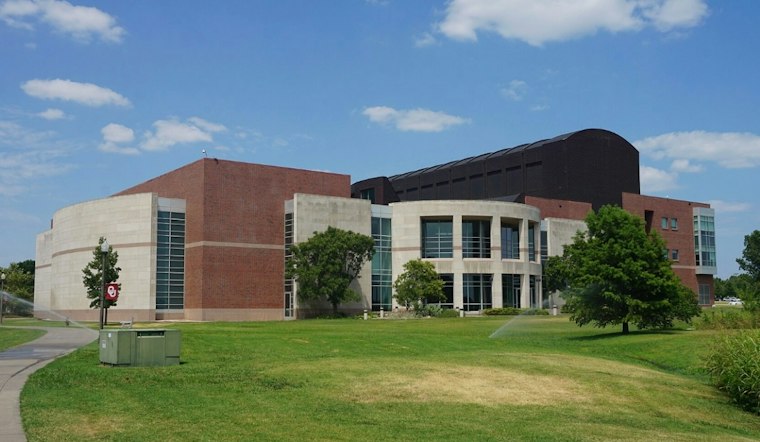
A sprawling new exhibit spanning more than 1,000 years of Mexican and Latin American art has opened at the Sam Noble Oklahoma Museum of Natural History in Norman, bringing sugar skulls, ofrendas, and centuries-old printmaking to central Oklahoma through the winter. Called “Lives of the Dead: The Day of the Dead in Mexican and Latin American Art,” the show officially debuted Saturday, September 5, and will remain on view through January 3, 2027.
The exhibit is included with regular museum admission, according to KOKH, which reported on the museum's unveiling of the show. It arrives as a traveling exhibition produced and managed by Gaston Design, Inc., a company that builds museum displays and fine fossil replicas alongside its traveling cultural exhibitions, rather than as a collection assembled in-house by the museum. Its presentation in Norman is funded in part through the Beth West Memorial Endowed Fund.
What Visitors Will See
The exhibit features artwork spanning more than 1,000 years, according to KOKH, and examines how artists and communities across generations have understood death as a continuation of life rather than an ending. On display are ofrendas — the offering altars traditionally displayed during Día de los Muertos — alongside colorful sugar skulls, contemporary paintings, and antique prints. The station reports the show explores the broader history of Día de los Muertos and how ideas about life, death, and remembrance evolved across centuries in Mexico and the wider Americas.
Laura Vaughn, head of education and community engagement at the museum, said the exhibit lets visitors explore Mexico's meaningful cultural celebration through art, per the station's report. She added that the show reminds visitors of a shared, universal desire to honor and remember those who came before them, and that it connects people across cultures and generations while preserving deep connections to community and family.
The Artists and Craft Traditions on Display
Among the featured artisans is the Linares family of Mexico City, known for its sculptures and papier-mâché work. According to Hyperallergic, Pedro Linares created alebrijes in 1936, and the family has made alebrijes for generations.
The exhibit also includes artists from Metepec, a municipality in the State of Mexico famous for traditional clay craftsmanship, including detailed Catrina figurines and ceramic Trees of Life, or Árboles de la Vida, according to Lolo — Modern Mexican Mercadito. Metepec ceramics use local clay and hand-painted pigments to depict both biblical narratives and traditional Day of the Dead themes.
The Printmakers Behind Today's Skeleton Imagery
The show features work by José Guadalupe Posada and Manuel Manilla, who KOKH reports helped create the skeleton imagery now associated with modern Día de los Muertos. The two printmakers popularized satirical calavera illustrations in broadsides published by Antonio Vanegas Arroyo in Mexico City between the late 19th and early 20th centuries, according to the Posada Art Foundation. Printed on cheap colored paper called hojas volantes, the broadsides used humor and skeleton imagery to deliver political commentary and news to a broad audience.
One of Posada's works was later renamed La Catrina and elevated into a national cultural icon by muralist Diego Rivera in his 1947 work Dream of a Sunday Afternoon in Alameda Park, according to Mexperience. Rivera painted the skeletal figure holding hands with a young version of himself alongside Frida Kahlo, cementing the character as an enduring symbol of Mexican identity.
A Holiday Recognized Worldwide
Día de los Muertos blends the Catholic observance of All Souls' Day with Indigenous traditions honoring ancestors, per KOKH's report. In 2008, UNESCO inscribed Mexico's indigenous festivity dedicated to the dead onto its Representative List of the Intangible Cultural Heritage of Humanity, recognizing the holiday for preserving Mesoamerican agricultural rituals fused with Catholic observance.
The exhibit's arrival also places it within reach of audiences in the region. Oklahoma City is roughly 20 miles north of the Norman museum.
The Host Museum
The Sam Noble Oklahoma Museum of Natural History is hosting “Lives of the Dead,” one of its temporary exhibitions in 2026.





