

























































More than 210,000 North Carolinians are living with Alzheimer's disease, and this fall, three regional communities are stepping up to support them. The Walk to End Alzheimer's returns to Moore County, the Triangle, and Fayetteville over the coming weeks, giving families, caregivers, and neighbors a chance to raise money and awareness for a disease that has quietly become one of the state's most pressing public health challenges.
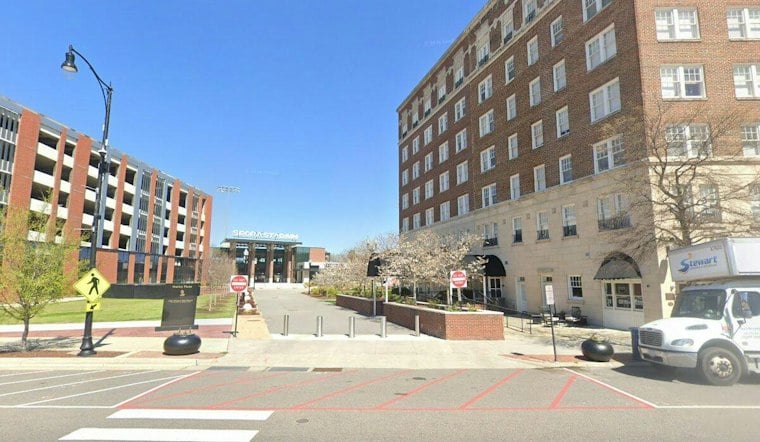
The first event kicks off this Saturday in Moore County, with participants gathering at Sandhills Community College at 3395 Airport Road in Pinehurst. The Triangle walk follows on October 3 at Halifax Mall in downtown Raleigh, and the Fayetteville event closes out the series on October 24 at Segra Stadium on Hay Street. According to ABC11, which is sponsoring all three events across its viewing area, the walks bring together people living with Alzheimer's and other dementias alongside family members, friends, caregivers, and community supporters.
Nationwide, more than 7 million Americans are living with Alzheimer's, and the disease has outpaced other major health crises in its growth. Between 2000 and 2024, reported Alzheimer's deaths increased by 134 percent even as heart disease deaths declined, according to research compiled by the National Institutes of Health, making Alzheimer's the sixth-leading cause of death overall in the U.S. and the fifth-leading cause among adults 65 and older.
The Weight Falling on Family Caregivers
Behind those numbers is an army of unpaid labor. The Alzheimer's Association reports that 338,000 unpaid family caregivers in North Carolina provide an estimated 446 million hours of care annually, a contribution valued at $8.3 billion, while Medicaid costs for dementia care in the state reach $1.84 billion, per the Alzheimer's Association. That burden also falls unevenly along gender lines: women represent nearly two-thirds of all Americans living with Alzheimer's and also make up about two-thirds of unpaid dementia caregivers, according to data cited by Avalere Health.
Racial disparities compound the problem. Older African Americans are roughly twice as likely, and Hispanic older adults about 1.5 times as likely, to develop Alzheimer's or other dementias compared to White older adults, based on epidemiological research compiled by the Alzheimer's Association. Meanwhile, North Carolina's health system is bracing for a workforce gap: the state's Department of Health and Human Services estimates the number of geriatric care physicians will need to grow by 239 percent to meet projected patient demand by 2050, according to the North Carolina Department of Health and Human Services.
New Treatments Give Walkers Reason for Hope
Even as the caregiving burden grows, medical advances are reshaping what treatment looks like. The FDA granted traditional approval to Leqembi (lecanemab) in July 2023 and approved Kisunla (donanemab) in July 2024, and this past July it approved a subcutaneous autoinjector starter dose for Leqembi that allows for at-home administration, marking a shift away from IV-only infusions, per the Alzheimer's Association. ABC11 notes that new treatments, research advances, and greater awareness of brain health are part of what organizers hope will keep momentum building at this year's walks.
Funds raised through the Walk to End Alzheimer's go toward advancing research, promoting risk reduction and early detection, and providing care and support, according to the Alzheimer's Association. Participants can form a team, walk, volunteer, or donate, and the event is part of a much larger effort: the Walk to End Alzheimer's takes place annually in more than 600 communities nationwide, making it the world's largest fundraising event for Alzheimer's care, support, and research, according to the North Dakota Office of Management and Budget.
The Promise Garden's Symbolic Flowers
Each walk features a Promise Garden ceremony, in which participants carry flowers representing their personal connection to the disease. Blue flowers represent people living with dementia, yellow represents caregivers, purple honors those who have lost a loved one, orange signifies general supporters, and white represents the hope for a future Alzheimer's survivor, according to the ALZ Alaska Blog. The flowers, per ABC11, symbolize the community's commitment to fighting Alzheimer's and other dementias.
North Carolina's Department of Health and Human Services also maintains a Dementia and Brain Health Outreach and Awareness Toolkit, designed to help local health agencies, advocates, and community groups promote risk reduction, early diagnosis, and caregiver support. The tool reflects a broader state effort to match community fundraising with public health policy, even as national costs climb; total health care, long-term care, and hospice payments for people living with Alzheimer's or other dementias are projected to reach $409 billion in 2026 and could approach $1 trillion by 2050, according to the Alzheimer's Association.
Anyone looking to get involved in the Moore County, Triangle, or Fayetteville walks can find registration details through the Alzheimer's Association at alz.org, or reach the organization's helpline at 800-272-3900.





