

























































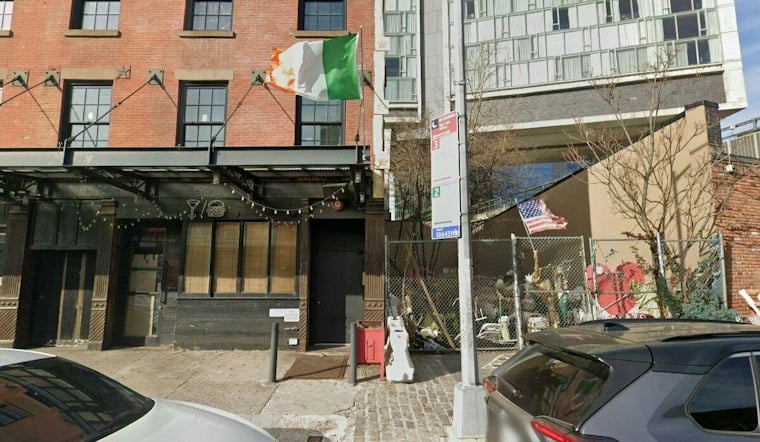
New York City sanitation officials are moving to more than double the fine for owners who let vacant lots sit filthy and neglected, raising the penalty from $100 to $250 under a rule change that would also treat abandoned construction sites the same way. The proposal, aimed at property owners who leave empty lots to collect trash, rats and debris for months or years at a time, marks the city's latest attempt to hold owners accountable.
The New York City Department of Sanitation formally published the proposed rule change in the City Record on Monday, according to Gothamist, which first reported the plan. The amendment would update Title 16 of the Rules of the City of New York and represents DSNY's attempt to squeeze the maximum penalty allowed out of an aging fine structure, since city administrative rules cannot exceed the cap set in the city's own code.
That cap is not small print — it is the law. The proposed $250 fine would reach the statutory ceiling for penalties related to dirty vacant lots.
A Steep Drop in Cleanups Despite Rising Complaints
Property owners are legally required to keep their lot, sidewalk, and 18 inches into the street gutter free of debris, with DSNY issuing separate summonses for failing to sweep the street area, per NYC Sanitation rules. Yet the city's own cleanup numbers have plummeted. Gothamist's reporting shows the city cleaned just 257 vacant lots last fiscal year, down from 1,440 in the fiscal year that ended in 2023, though that figure did tick up from 101 the prior fiscal year.
DSNY spokesperson Vincent Gragnani has blamed the decline on budget cuts implemented under former mayors, per the same Gothamist report, even as the department says it still prioritizes and cleans vacant lots as resources allow. Gragnani said the department believes the current $100 fine simply is not enough of a deterrent to ensure owners maintain their lots, and that the larger fine is intended to incentivize compliance rather than punish owners after the fact.
Residents Say the New Fine Still Won't Cut It
Not everyone thinks $250 will move the needle. Harlem resident Sandra Lizondro told Gothamist that the proposed fine is still too little to motivate vacant-lot owners. She said lots left empty for long stretches attract garbage, rats and other refuse, and added that the problem is even worse in the Bronx, where she also lives.
Idle Construction Sites Get Swept Into the Rule
The proposed change would also reclassify dormant or abandoned construction sites as vacant lots, meaning inspectors could issue $250 summonses whenever they spot trash accumulating at a building project that has sat idle for months or years. That expansion echoes earlier city efforts to police stalled development sites: Local Law 74 of 2021 already required chain-link fencing in place of traditional green wooden walls at stalled sites, after city reports found wooden enclosures were prone to heavy vandalism and litter buildup, according to CityLand.
Then-Mayor Eric Adams took aim at a related problem in July 2023 with the Get Sheds Down initiative, which penalized property owners who left idle sidewalk sheds and scaffolding up for more than 90 days without active construction progress, per the American Enterprise Institute. More recently, City Council Member Justin Sanchez introduced legislation in January requiring operators of permanent street furniture and kiosks to keep public space within six feet of their installations litter-free, according to the New York City Council, closing another gap in the city's patchwork sanitation enforcement.
Dumping Carries Far Steeper Penalties
DSNY issued 872 summonses for illegal dumping in Fiscal Year 2025, a 21% increase over the prior year, as reported by FOX 5 New York.
In March 2025, the NYC Parks Department raised its fine for unlawful trash dumping on parkland from $1,000 to $5,000 to better align with DSNY's enforcement levels, citing new security cameras installed to catch chronic offenders. Taken together, the moves reflect a citywide push across multiple agencies to close loopholes that have let blighted, trash-strewn properties linger largely unpunished for years.





