

























































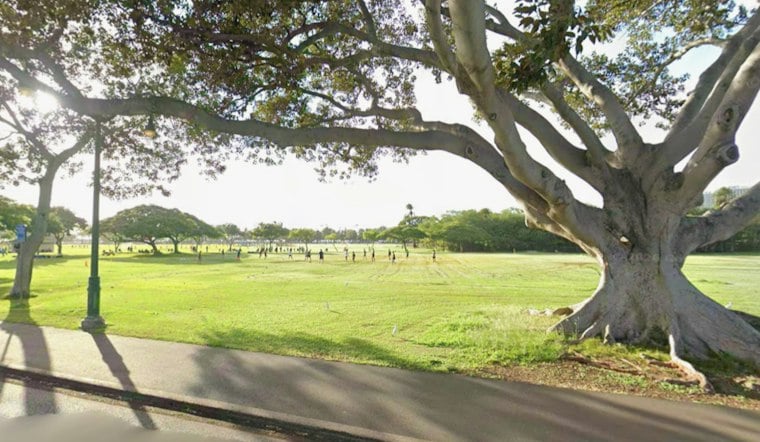
Hawaii's largest cycling event is rolling back into Kapiʻolani Park later this month, with the main ride kicking off at 6:15 a.m. on September 27, 2026, and cyclists choosing from routes spanning 13, 25, 50, 75, or 100 miles. The 100-mile route traces Oahu's south shore to Hawaii Kai, continues through Makapuu Lookout, Kailua, and Kaneohe along Kamehameha Highway and the windward coast, and turns around at Swanzy Beach Park in Kaaawa before riders make their way back to finish beneath a grand arch at Kapiolani Park.
The event, known as the Honolulu Century & Ride Aloha Festival, marks its 43rd annual running this year, according to KHON2. The full festival runs September 25-27 across Kapiolani Park and routes throughout Oahu, and food and community booths will be open to riders and nonriders alike from 10 a.m. to 5 p.m. on September 25 at the park. Registration is required in advance for anyone hoping to ride.
A Four-Decade Legacy on Oahu Roads
The ride's roots stretch back further than most Hawaii sporting traditions. The Honolulu Century Ride was first organized in 1981, making it one of the longest-running non-competitive recreational cycling events in the Pacific, according to Global Ride. It was established from the start as a celebration of cycling rather than a race, and the event's reach extends well beyond Hawaii's shores — the ride has maintained a formal partnership with Japan Airlines and a dedicated Tokyo office since 2003, with Japanese visitors making up a substantial share of annual participants, per the same source.
Proceeds from registration fees don't just cover event costs. They directly fund the Hawaii Bicycling League's BikeEd program, which delivers hands-on bicycle safety training to more than 8,000 fourth-grade students across Oahu each year, according to the Hawaii Bicycling League. The nonprofit itself has been at this work for half a century, having been officially incorporated in December 1975 to advocate for safer streets and bicycling education across the islands.
Families Get Their Own Course, Plus a Car-Free Coastal Stretch
Not every rider is chasing 100 miles. The Aloha Fun Ride offers a 3.5-mile walk, bike, and roll course designed for keiki and families, per KHON2's report. For those tackling the longer routes, organizers coordinate a car-free section along the Kaiwi Coastline from Hanauma Bay to Sandy Beach specifically for outbound participants, a stretch of scenic coastline that's usually subject to heavy vehicle traffic, according to a description shared by SEBIKES. Riders who want a shorter day on the bike can also opt for the Kaiwi Bike & Bus option, which allows them to travel 13 miles to Sandy Beach or 50 miles to Swanzy Beach Park before catching bus transportation back to Kapiolani Park.
The weekend festival wraps in a full slate of programming beyond the ride itself. Organizers have built in a skills-building workshop, a training ride, a lei-making class, a Hoomaka VIP reception, and a finish line festival featuring live music, ono food, and entertainment, per KHON2.
New E-Bike Rules Add Context to the Conversation
The timing lands amid a broader statewide reckoning over who shares Hawaii's roads and how safely. In July 2026, Governor Josh Green signed Act 259 into law, establishing updated statewide safety requirements, age restrictions, and enforcement rules for electric bicycles and micro-mobility devices, according to the Hawaii Department of Transportation. E-bikes have rapidly expanded participation across multi-use road corridors in recent years, adding urgency to the update.
The new law builds on other legal protections cyclists have gained over the years. Hawaii enacted its 3-Foot Safe Passing Law in June 2018, requiring motorists to leave a minimum of three feet of clearance when passing a bicyclist on public roadways, per the Maui Bicycling League, though advocate groups continue campaigning for official road signage to improve driver compliance. Under City and County of Honolulu regulations, cyclists under 16 are also required to wear a properly fitted helmet while riding on public streets, bikeways, or public property, according to the Hawaii Department of Health, which notes helmets reduce head injury risk by 50%.
The stakes behind these rules are real. State injury data recorded approximately 1,065 emergency room visits and 91 hospitalizations for non-fatal bicycle injuries in Hawaii over a three-year period, with motor vehicles involved in over 90% of serious crashes, according to the Recovery Law Center. Hoodline previously reported on cycling safety hazards after a 68-year-old man was fatally injured in a Maui bicycle collision, a story that quoted Hawaii Bicycling League Executive Director Travis Counsell on the public safety challenges cyclists continue to face across the islands.
Growing Infrastructure Backs the Event's Mission
Oahu's urban cycling scene has expanded alongside the ride's own growth. Honolulu's Biki bikeshare system, launched in 2017, now records over 100,000 annual riders and has spurred expanding municipal bike lanes along central transit corridors including Pensacola, Ward, and Alakea streets, according to Biki. That growing network of bikeways connects city neighborhoods directly to event start locations like Kapiolani Park.
At its core, the Hawaii Bicycling League aims to get more people bicycling and make Hawaii's roads safer, a mission KHON2 notes participants and organizers alike return to each year. Road safety applies to drivers, riders, and walkers alike, and the Honolulu Century & Ride Aloha Festival continues to double as both a celebration of island cycling culture and a fundraising engine for the education and advocacy work meant to keep everyone on Oahu's roads a little safer.




