

























































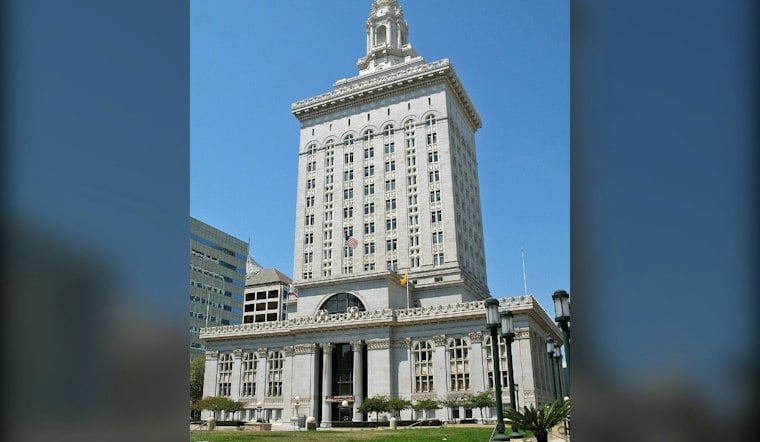
Oakland Tech Week is in its second year and runs through Saturday, having nearly doubled in size from more than 40 events and 4,200 attendees in 2025 to over 80 citywide events hosted by more than 30 organizations between Sept. 27 and Oct. 3. The festival's central question, as posed by organizers, cuts against the usual startup-conference script: who actually gets a say in where technology goes, and who benefits when it grows.
A Festival Built Differently
That framing comes straight from the festival itself, according to NBC Bay Area, which reported that Oakland Tech Week's expanded 2026 slate is explicitly designed to explore who shapes technology's future and who profits from it. The scale-up is real: last year's inaugural event was modest enough to earn just an official Mayor's Proclamation, while this year's lineup spans dozens of partner organizations across the city, per PR Newswire.
The festival is produced by HiiiWAV, an Oakland-based artist-led nonprofit incubator that helps local artists and creators build tech-enabled businesses, in stewardship with the City of Oakland Mayor's Office, the Kapor Foundation, and Northeastern University Oakland, the newswire report notes. That governance structure — art-and-culture nonprofit at the center, city hall and philanthropy in support — is part of what sets Oakland's approach apart from more corporate tech showcases across the bay.
A Fed Governor's Warning Lands in Oakland
The week's highest-profile moment came Sept. 28, when Federal Reserve Governor Lisa Cook delivered a keynote warning that surging artificial intelligence spending is driving up prices for energy, water, and specialized technology hardware. Cook cautioned that AI-driven productivity gains may not arrive fast enough to curb broader inflation before late 2026, according to Benzinga. She noted that electricity and water costs have each risen roughly 5% over the past year.
Cook's remarks landed in a city where advocacy groups are pushing back on the very industry she was describing. On Wednesday, MediaJustice convened a strategy session called Building Beyond Big Tech, with the Electronic Frontier Foundation and Upturn as partners, organizing against surveillance technology and corporate tech influence in East Bay communities, according to the Electronic Frontier Foundation. The gathering focused on developing community-controlled public technology alternatives rather than corporate ones.
From Basketball Courts to Community Events
The festival opened Sept. 27 with Code on Court, a community 3v3 basketball tournament and tech networking event held at Northeastern University Oakland and powered by local group Innovate Bay, pairing athletic competition with digital waivers and sponsor showcases. Two days later, OpenOakland hosted civic tech workshops drawing on its network of more than 2,000 volunteer technologists, who have built free public-interest software for Oakland residents since 2012.
The festival's closing celebration Saturday is HiiiWAV FEST, a community tech fair and concert headlined by Bay Area rap icon E-40 and NPR Tiny Desk performers The Soul Slappers.
Building a Local Pipeline
Underpinning the week's public events is a quieter local infrastructure meant to close gaps in who gets access to tech capital. Oakland-based Kapor Capital focuses exclusively on early-stage startups working to close equity gaps.
Organizers frame the week's public programming as building a pipeline meant to keep Oakland's tech growth rooted in the communities it touches rather than displacing them.



