

























































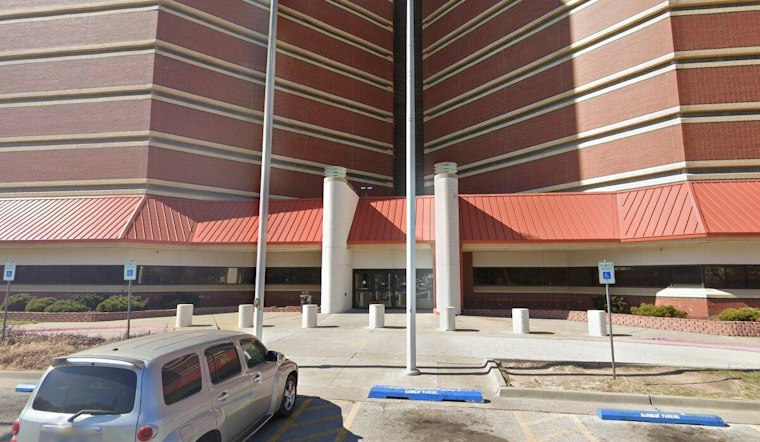
Oklahoma County's jail population has fallen from roughly 2,400 people to around 1,400 — and sometimes lower — according to a new annual report from the county's Criminal Justice Advisory Council. Officials point to a mix of expanded pretrial release, mental-health services, diversion programs, peer support and court-date text reminders as the drivers behind the decline.
The figures come from Melissa Walton, executive director of the Criminal Justice Advisory Council, who described the shift as going “from 2,400 people, to almost down to 1,400 and sometimes below 1,400,” according to News 9. Walton said the goal isn't simply fewer people behind bars, but making sure the right people are there — noting that jail is not the best place for some people, and that some of the changes produced results relatively quickly.
How the Pretrial System Decides Who Stays
Central to the shift is a public safety assessment tool used during Oklahoma County's pretrial process. The tool helps judges, prosecutors and public defenders determine who can safely be released before trial, per the same News 9 account — a process that is separate from determining guilt or innocence. Walton's report also notes that some people facing pretrial detention cannot afford the $50, $100 or $250 needed to get out of jail.
Expanded mental-health services are also part of the equation. Those services could divert some people experiencing a crisis away from jail and into treatment instead, the report notes.
Diversion Hub Connects People to Services
Much of the on-the-ground work falls to Diversion Hub, which connects people leaving the Oklahoma County Detention Center with services and support, serving thousands of clients each year across three locations in central Oklahoma. Diversion Hub's Justice Navigators assist clients with pretrial bond compliance, court reminders, payment plans, court-ordered conditions and discharge planning for people released from the jail.
One of those programs, the Misdemeanor Diversion Program, gives qualified people charged with misdemeanors in Oklahoma County a 90-day window to address barriers and connect with services. Participants who successfully complete the individualized program can have their charges dismissed without owing court costs, per Diversion Hub's program page. The program offers individualized support to participants.
The Data Behind the Diversion Model
The program connects clients facing substance-use challenges with services.
A Navigator's Own Path Through the System
For some, the numbers translate into a second chance. Latoya Wilson went through Diversion Hub after getting into legal trouble for driving under the influence, and she avoided prison as a result. She now works at Diversion Hub as a treatment court recovery navigator.
“It’s a great organization and I’m thankful that they’re here because they helped me save my life,” Wilson said, according to News 9's reporting. She said she felt welcomed and appreciated there — an experience that reflects a broader piece of the county's strategy: peer support that helps people transition out of the detention center and shows others who have experienced similar circumstances that change is possible. Peer supporters, the report notes, can become leaders themselves.
Keeping People Out Once They're Released
Court-date text reminders round out the county's approach, helping people attend court and avoid returning to jail simply because they missed an appearance. That matters because the consequences of a missed court date can be steep — a warrant may be issued and a driver's license could be suspended, according to the Oklahoma County Detention Center, with additional fines and costs also possible.
The pretrial tools, treatment programs and peer networks outlined in the advisory council's report reflect a broader recalibration of how Oklahoma County decides who belongs in jail — and who might be better served elsewhere.



