

























































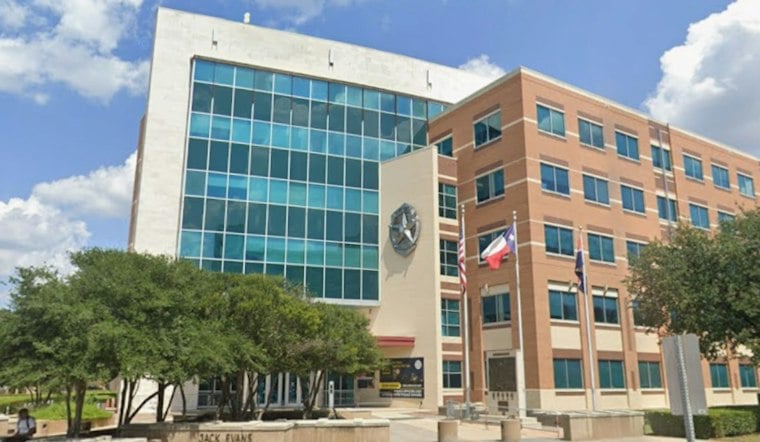
One Dallas Love Field police officer collected $166,000 in overtime pay last year, and payroll records show dozens more officers cleared six figures in extra earnings as the Dallas Police Department blew a multimillion-dollar hole in its overtime budget. Now, with a fiscal crisis gripping City Hall and a state lawsuit demanding the department keep enough officers on the street, city leaders and police union representatives are clashing over whether slashing overtime will actually save taxpayers money or simply push more officers out the door.
Payroll Records Reveal a Small Group Driving Big Costs
According to NBC 5 Dallas-Fort Worth, Dallas police payroll data showed that a relatively small number of officers account for a disproportionate share of overtime spending. Thirteen officers in the department's Airport Security Division each logged more than 1,000 overtime hours in 2025, including four who worked more than 1,500 hours, the station's investigation found. Forty officers collected more than $100,000 in overtime last year alone, and one traffic sergeant logged almost 2,000 overtime hours, pulling in more than $200,000 in overtime pay.
Five traffic unit officers each made more than $135,000 in overtime, while four Airport Security Division officers each collected more than $120,000, per the same investigation. Love Field and traffic unit personnel together accounted for 40% of all officers who worked more than 1,000 overtime hours. The average Dallas officer worked about 180 overtime hours last year, the station's report notes, underscoring how concentrated the extreme cases are among a specific slice of the force.
A $10.6 Million Overtime Overrun
The numbers add up to a serious budget problem. City Manager Kimberly Bizor Tolbert's office confirmed the department went over budget by $2.7 million on overtime, and a separate accounting cited in the NBC 5 investigation put the overspend at nearly $3 million. A City of Dallas memorandum dated August 21, 2026, put the gap in starker terms: the department had spent $27.9 million against an allocated overtime budget of just $17.3 million for the fiscal year, according to city records.
Council members disagree on how the department got here. Council member Cara Mendelsohn said the overtime overrun resulted from incorrect budgeting in the first place, while council member Adam Bazaldua argued that excessive overtime was padding officers' incomes, per the NBC 5 report. The council had actually reduced the police overtime budget a year earlier and more recently removed $10 million from the overtime line entirely, tightening the squeeze even as workload grew.
Chief Comeaux Under Pressure From Both Sides
Chief Daniel Comeaux, who took over as the department's 31st chief in April 2025 after previously serving as a DEA Special Agent in Charge in Houston, according to KERA News, has been fielding calls from City Hall about the overtime overruns. He has directed supervisors to scrutinize overtime spending and made staffing changes, including scheduling homicide detectives on weekends, according to the NBC 5 investigation. Comeaux has also vowed to fix what the station describes as the department's payroll system, which still relies on handwritten overtime cards.
Comeaux said overtime has become a focal point at City Hall, but he pushed back on the idea that the department faces a retention crisis, telling NBC 5 the department is not currently experiencing a retention problem. He noted that some officers are simply assigned to divisions with substantial built-in overtime demands, and he said he remains confident the department can increase staffing and save taxpayers money on overtime over time. About 300 new officers have been hired this year, though those recruits are still in the police academy and not yet on the streets, the station reported.
Union Warns Crackdown Could Backfire
Dallas Police Association president Sean Pease, elected in December 2025 after the union voted out former president Jamie Castro amid an internal police investigation, according to WFAA, said staffing shortages, not overtime itself, are the underlying problem. Pease told NBC 5 the overtime crackdown has deeply frustrated some officers and said he worries some may leave the department altogether, warning that further departures would mean less staff and, ultimately, higher overtime expense down the line. The department has lost 164 officers in the last 10 months, per the NBC 5 investigation, and about a quarter of all Dallas officers are currently eligible to retire.
Criminologist Tim Bray told NBC 5 that scrutinizing overtime after shootings or crashes can frustrate officers, while other experts cited in the investigation said patrol overtime is especially difficult to reduce because crime itself is unpredictable and the patrol division must answer 911 calls regardless of staffing levels. Complicating the picture further, the department said about a quarter of all overtime hours are reimbursed through outside grant money, meaning cuts to certain shifts could actually cost Dallas outside funding rather than save money.
Grants, Reimbursements and a Widening Workload
Federal aviation security grants have reimbursed some of the overtime logged at Love Field, and traffic safety grants have covered some of the traffic unit's extra hours, according to the NBC 5 investigation. The department is also seeking federal reimbursement for overtime worked during the Republican midterm convention held in downtown Dallas, as well as for overtime tied to the FIFA World Cup, though Comeaux told the station he has nothing in writing yet regarding the convention reimbursement. He said he believes the federal money will eventually arrive.
The overtime strain comes as DPD's responsibilities have expanded well beyond its traditional footprint. On August 28, 2026, the department assumed full responsibility for traffic enforcement and crash response on Dallas freeways and tollways after the Dallas County Sheriff's Office ended its enforcement agreement and the Texas Department of Public Safety let its tollway contract lapse, according to KERA News. That handoff adds to a workload already strained by a court fight: Texas Attorney General Ken Paxton sued the city in February, accusing Dallas leadership of underfunding the police department in violation of Proposition U, the 2024 voter-approved charter amendment requiring the city to maintain at least 4,000 sworn officers and dedicate half of annual revenue growth to public safety pay and pensions, as reported by The Texas Tribune.
A City Squeezed on Every Side
The overtime dispute is unfolding against a broader municipal fiscal crunch. Dallas was working to close a $51 million budget gap, and City Manager Tolbert instituted mandatory unpaid furloughs for more than 4,200 non-uniformed employees in July while restricting discretionary uniform overtime, a move Hoodline previously reported sparked intense pushback from unions during ongoing contract talks. Three major public safety labor groups, including the Dallas Police Association and the Dallas Fire Fighters Association, rejected the city's contract offers in August, demanding higher wages and better working conditions.
Meanwhile, Comeaux is also pitching a $443 million public safety bond package for the November 2026 ballot that would fund a new police training academy at UNT Dallas and replace aging facilities, though union leaders have voiced reservations about pursuing new construction while contract talks remain stalled. The department has also been converting sworn positions into civilian roles under a KPMG-managed initiative, moving 69 previously sworn jobs to civilian staff through 2026 in an effort to free up more officers for field duty. Whether any of those moves will ease the overtime crunch without pushing more officers toward the exits remains an open question for both City Hall and the union representing the officers working the overtime.





