

























































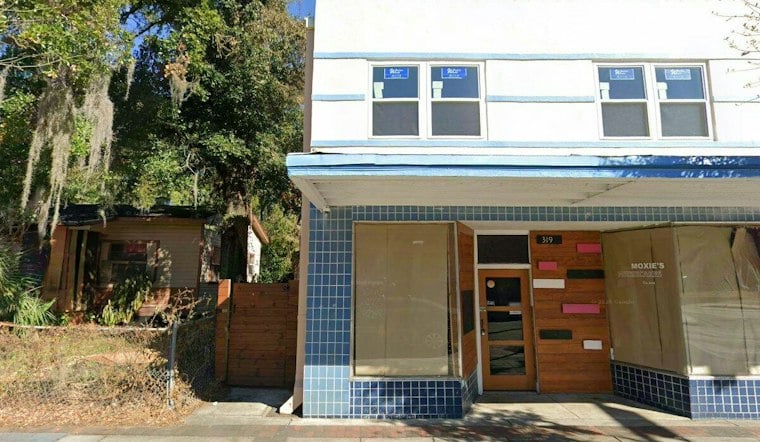
Sabena Sokhi moved into an Orange County rental home in late July only to discover, more than a month later, that code enforcement had condemned the property before she ever signed a lease. She says she had no idea the home carried a county condemnation notice when she agreed to rent it, and the revelation left her shaken.
“I was in absolute shock. I broke down in tears,” Sokhi said, according to WKMG, which first reported her account. Sokhi is renting the home from Main Street Renewal, the property management arm of Amherst Holdings, and she says she did not know about the condemnation before moving in.
A Sticker That Disappeared Without Explanation
The home carried a county condemnation notice, according to the same WKMG account. County records reviewed by the station show the notice was later removed by an unidentified person, and a county employee told WKMG that someone had taken down the original condemnation notice without authorization.
The property's owner never contacted Orange County about the violations, the report notes.
County Calls It an Error, Says Case Is Resolved
Orange County said the condemnation notice remained on the property in error after the major life-safety violations were brought into compliance.
Sokhi told WKMG she still feels no one has taken accountability for what happened, calling the situation frustrating. A Main Street Renewal spokesperson said the company is working with Sokhi and Orange County code enforcement to resolve the matter, and the company has offered to relocate her or compensate her for the trouble, according to the same report.
A Landlord With a National Footprint and a History of Complaints
Main Street Renewal operates as the property management arm for Amherst Holdings, a private equity landlord that manages more than 45,000 single-family rental homes nationwide, according to SFR Analytics. Nearly half of Amherst's rental portfolio is concentrated in Florida, Georgia, and Texas, making Central Florida one of the company's key markets. Amherst grew that footprint in part through a $2.3 billion buyout of Front Yard Residential Corp. in 2020 that added 15,000 homes to its holdings, as reported by The Real Deal.
The company has drawn scrutiny before. By mid-2024, Main Street Renewal had generated nearly 2,000 complaints to the Better Business Bureau, with tenants citing long maintenance delays and communication obstacles, according to WUSF. Better Business Bureau records from 2025 show multiple Florida renters filing complaints detailing move-in habitability defects, including unusable plumbing and unaddressed water damage, with several noting that homes were advertised as move-in ready despite outstanding issues.
Hoodline reported Main Street Renewal filed 285 evictions in a year across 849 homes in Marion County, Indiana, in 2025, an eviction filing rate more than double the citywide average, per a study by the Fair Housing Center of Central Indiana. A separate report by the Private Equity Stakeholder Project found that major single-family rental firms, including Amherst operating as Main Street Renewal, were among the most frequent eviction filers in Sunbelt states like Florida.
What Florida Law Requires of Landlords
Under Florida Statute § 83.51, residential landlords must maintain rental properties in compliance with applicable building, housing, and health codes, ensuring plumbing, structural elements, and heating are functional at the start of a tenancy, according to legal guidance from Korte & Associates.
Orange County's code enforcement division has handled severe cases before. Hoodline previously reported on a historic Parramore building condemned in September 2025 that displaced eight residents due to unaddressed hazard violations, illustrating how the county's inspectors respond when structural or mechanical defects render a home unsafe. Sokhi's case, by contrast, involved a rental home with a county condemnation notice.



