

























































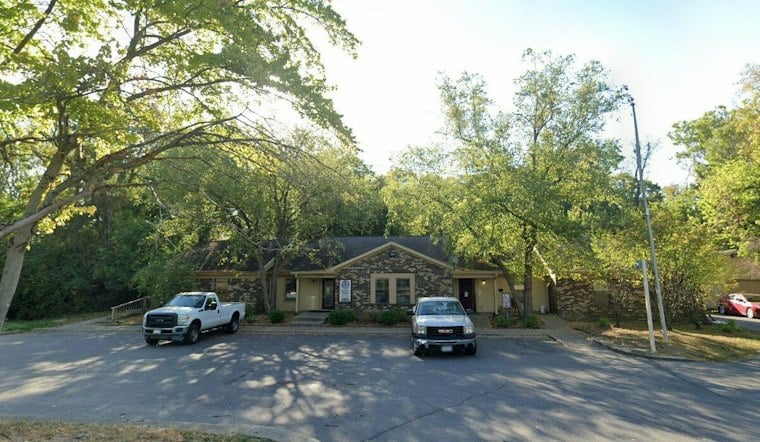
Marion County courts recorded 24,938 eviction filings in 2025, according to the Fair Housing Center of Central Indiana's report. The report also identifies high filing rates among some corporate property managers: Main Street Renewal filed 285 eviction cases across 849 homes in the county, a rate of 33.6 filings for every 100 homes.
The findings were also detailed by WIBC 93.1 FM. FHCCI puts Indianapolis's 2025 eviction filing rate at 14.0 for every 100 rental units, ranking the city sixth nationwide among the 42 major cities tracked by the Eviction Lab. The 2025 figures sit within a longer period of instability: Marion County courts recorded 116,489 eviction cases between January 2021 and September 2025, according to FHCCI's first installment of its two-part 2026 eviction series.
A Handful of Complexes Driving the Numbers
Multifamily apartment complexes accounted for over two-thirds of all eviction filings countywide, per the report cited by WIBC. Heather Ridge Apartments, managed by BSG Enterprises, posted more than two eviction filings for every three apartments in a single year — 137 eviction cases across just 204 units. That kind of concentration echoes a 2022 SAVI policy program study from Indiana University's Polis Center, which found that out of 77,000 rental parcels citywide, just 100 properties accounted for one-third of all habitability and code complaints in Indianapolis, according to The Polis Center.
The report also found that filing rates varied sharply by neighborhood demographics. Van Rooy Companies had an eviction filing rate of 43.6 per 100 homes in majority-Black census tracts, compared with 5.9 in majority-white areas. More broadly, majority-Black and Hispanic census tracts experienced significantly higher eviction rates than majority-white neighborhoods with comparable income levels, the report found. The Indianapolis Office of Public Health and Safety found that two-thirds of Marion County tenants facing eviction are Black and that 44% of household members affected by evictions are children under 18.
How to read the filing data
FHCCI's recent time series counts eviction cases filed in Marion County courts: 116,489 between January 2021 and September 2025. That measure provides a record of cases entering the court system and supplies the basis for comparing annual filing rates, including the 2025 countywide total. Demographic estimates require caution. The Eviction Lab says its estimates of defendants' race and ethnicity rely on statistical imputation based on names and addresses, rather than direct demographic records. Separately, the Indiana Judicial Branch says tenants and landlords who agree to pre-eviction diversion can have a case marked confidential and paused for 90 days while they pursue assistance or other options.
Why Renters Fall Behind
The same city office found that 27% of local tenants facing eviction were derailed by unexpected emergencies, while 48% fell behind because of job loss or reduced work hours, according to the report relayed by WIBC. Those numbers are compounded by an affordability gap: the National Low Income Housing Coalition has reported that fewer than half of Indianapolis metro renters can afford a modest two-bedroom apartment.
Indiana's landlord-tenant statutes make it easy for property managers to move quickly once a tenant falls behind. Under Indiana Code § 32-31-1-6 and § 32-31-1-7, landlords need only issue a 10-day notice to quit for nonpayment of rent before initiating formal eviction proceedings in court, according to Justia Law. That short window gives tenants limited time to secure emergency funds or negotiate a payment plan compared with states that require longer notice periods. The pattern also lines up with growing corporate ownership of Marion County housing: institutional investors increased their share of single-family home purchases in the county from less than 15% in 2012 to 26% by 2021, according to the Fair Housing Center of Central Indiana.
Court-Based Help and Legal Limits
Indianapolis does run an intervention effort inside the courthouse itself. The city's Tenant Assistance Program places Tenant Navigators in eight of Marion County's nine township small claims courts, offering on-site legal advice and eviction diversion assistance before judgments are finalized, according to the National Low Income Housing Coalition. The program grew out of the city's Office of Public Health and Safety during the pandemic specifically to connect unrepresented tenants with resources.
Indiana law also draws a firm line on what landlords can and cannot do once a dispute starts. So-called self-help evictions — changing locks, removing a tenant's belongings, or shutting off utilities without a court order — are illegal and expose landlords to statutory liability, according to GX Law Group. Every physical removal must proceed through a judicial court writ carried out by a county sheriff or constable. Separately, state law lets renters who have overcome past eviction filings apply to have those records permanently sealed from public tenant-screening databases, per the Fair Housing Center of Central Indiana, since unsealed filings can create long-term barriers to securing future housing.
Looming Pressure on Affordable Units
The eviction pressure comes as the supply of subsidized housing in the region faces its own squeeze. An FHCCI rental housing report published in November 2025 identified nearly 5,000 rental units across Central Indiana with expiring affordability protections over five years, including more than 1,300 units set to expire in 2026, according to the Central Indiana Community Foundation. The report identifies those units as having expiring affordability protections. FHCCI's report notes that subsidized rents cut eviction likelihood significantly, underscoring what's at stake as that inventory shrinks.
Housing instability in the region isn't confined to renters, either. FHCCI reported in June that Indiana ranked first in the nation for mortgage foreclosures in February 2026, with one foreclosure action per 1,597 housing units, while Marion County recorded 7.3 foreclosure starts per 1,000 owner-occupied households in 2025. Rising property taxes, high home insurance rates, and elevated utility bills contributed to a 16.1% statewide increase in mortgage foreclosure filings last year, per the same report.
In response to its findings, the Fair Housing Center of Central Indiana is calling on policymakers to expand subsidized housing and to strengthen tenant legal protections both during lease terms and inside the courtroom. FHCCI describes itself as a private nonprofit based in Indianapolis whose mission includes ensuring the availability of affordable and accessible housing, promoting housing choice and homeownership, and working toward stable and equitable communities. The organization has also pressed housing issues on the lending side of the market — Hoodline previously reported on an FHCCI mortgage-lending complaint against a northern Indiana bank.





